


+15 More

Digital Aura Portal - FZCO
Building A1, Dubai Digital Park, Dubai Silicon Oasis, Dubai, United Arab Emirates Premises Number 72647 - 001
Business registration number: 70647


gamer-choice.com © 2026
Digital Aura Portal - FZCO
Building A1, Dubai Digital Park, Dubai Silicon Oasis, Dubai, United Arab Emirates Premises Number 72647 - 001
Business registration number: 70647
 August 30, 20258 min ReadElsa
Destiny Rising is a mobile gacha RPG set in the Destiny universe, created by NetEase in partnership with Bungie. While keeping the iconic FPS-inspired combat, the game introduces fresh features like a roster of unique Lightbearers — named Guardians with distinct kits, weapons, and abilities. At launch, there are 13 characters available, some locked behind gacha banners that require luck to obtain. This Destiny Rising tier list ranks all Lightbearers at release, separating those who define the meta from the ones that end up more situational or underwhelming.
Because every Guardian brings something different to the table — whether it’s single-target burst, AoE add-clear, or utility like buffs and shields — not all of them perform equally across PvE missions, raids, or PvP encounters. That’s why this tier ranking exists: to give players a clear picture of which characters are worth prioritizing in the current meta and which can safely be left on the bench.
To properly evaluate every Lightbearer, this Destiny Rising tier list focuses on five major aspects: raw damage output, speed, utility, survivability, and consistency. Damage and speed weigh most heavily since fast clears are rewarded in much of the content. Utility, such as debuffs or teamwide buffs, is also highly impactful. Survivability like tankiness or healing alone doesn’t rank as high unless paired with strong offensive support. Lastly, consistency — uptime on buffs, cooldown efficiency, and steady DPS — makes the difference between a decent character and a meta-defining one.
Since the launch roster consists of 13 Lightbearers, we use a streamlined four-tier system to keep it meaningful:
With this framework set, let’s dive into the rankings for the current Destiny Rising tier list.
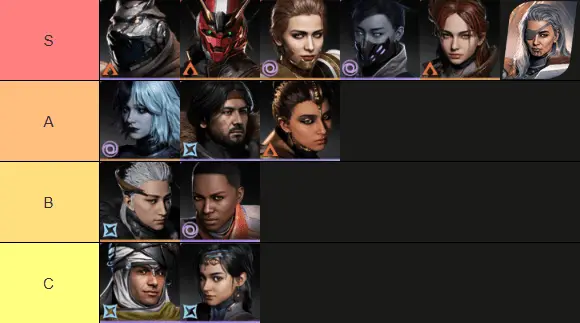
Even though there are only 13 playable Lightbearers at launch, they cover a wide variety of roles. Some are designed for burst DPS, others bring tanks and shields, and a few offer healing and support. Not all of them excel equally, which is why the following Destiny Rising tier list separates the standouts from those that struggle in harder content.
Here’s a breakdown of the early meta and how each Guardian performs in terms of damage, utility, speed, consistency, and survivability:
| Tier | Characters |
|---|---|
| S-Tier | Wolf, Tan-2, Umeko, Jolder, Estela, Maru |
| A-Tier | Gwynn, Xuan Wei, Finnala |
| B-Tier | Ning Fei, Ikora |
| C-Tier | Attal, Kabr |
These placements reflect the initial meta and are subject to change with balance patches, new characters, or the discovery of fresh strategies. Currently, S-Tier Lightbearers dominate because they provide a rare mix of incredible DPS and valuable utility, making them essential for both PvE and PvP. A-Tier heroes are still dependable choices, though they lack the final punch that makes S-Tier shine. B-Tier picks fill situational niches, while C-Tier options feel least impactful overall.
S-Tier Lightbearers shape the entire meta at launch. These Guardians bring unmatched damage, team buffs, or both, making them must-have investments for anyone serious about progression.
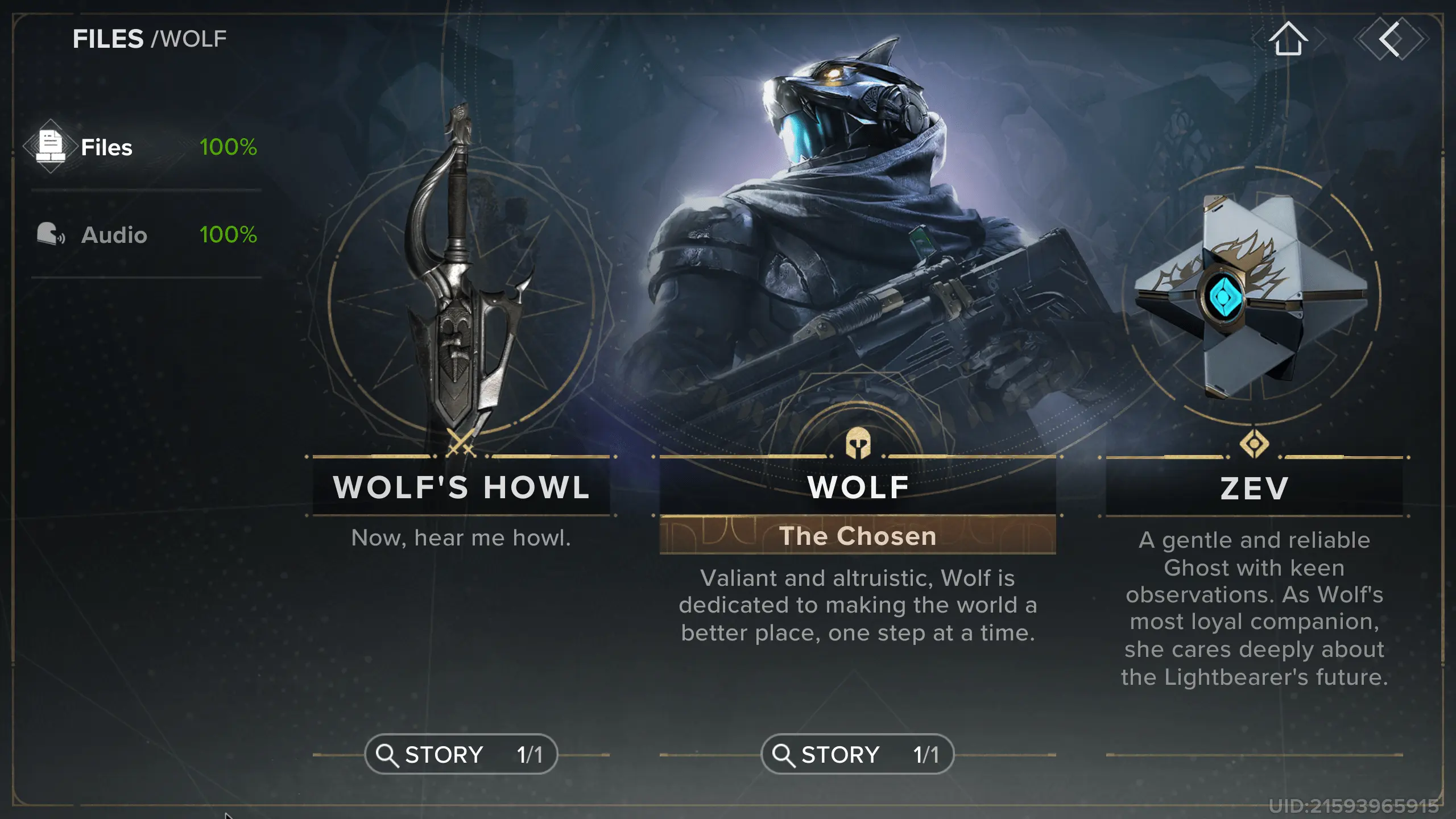
Wolf stands as one of the absolute best Guardians in the Destiny Rising tier list. With constant uptime on his debuffs, devastating explosive weapons like the Eliksni Smart Bomb Launcher, and teamwide speed boosts, he dominates both PvE and PvP. His overshields add extra survivability, rounding him out as an all-around powerhouse.
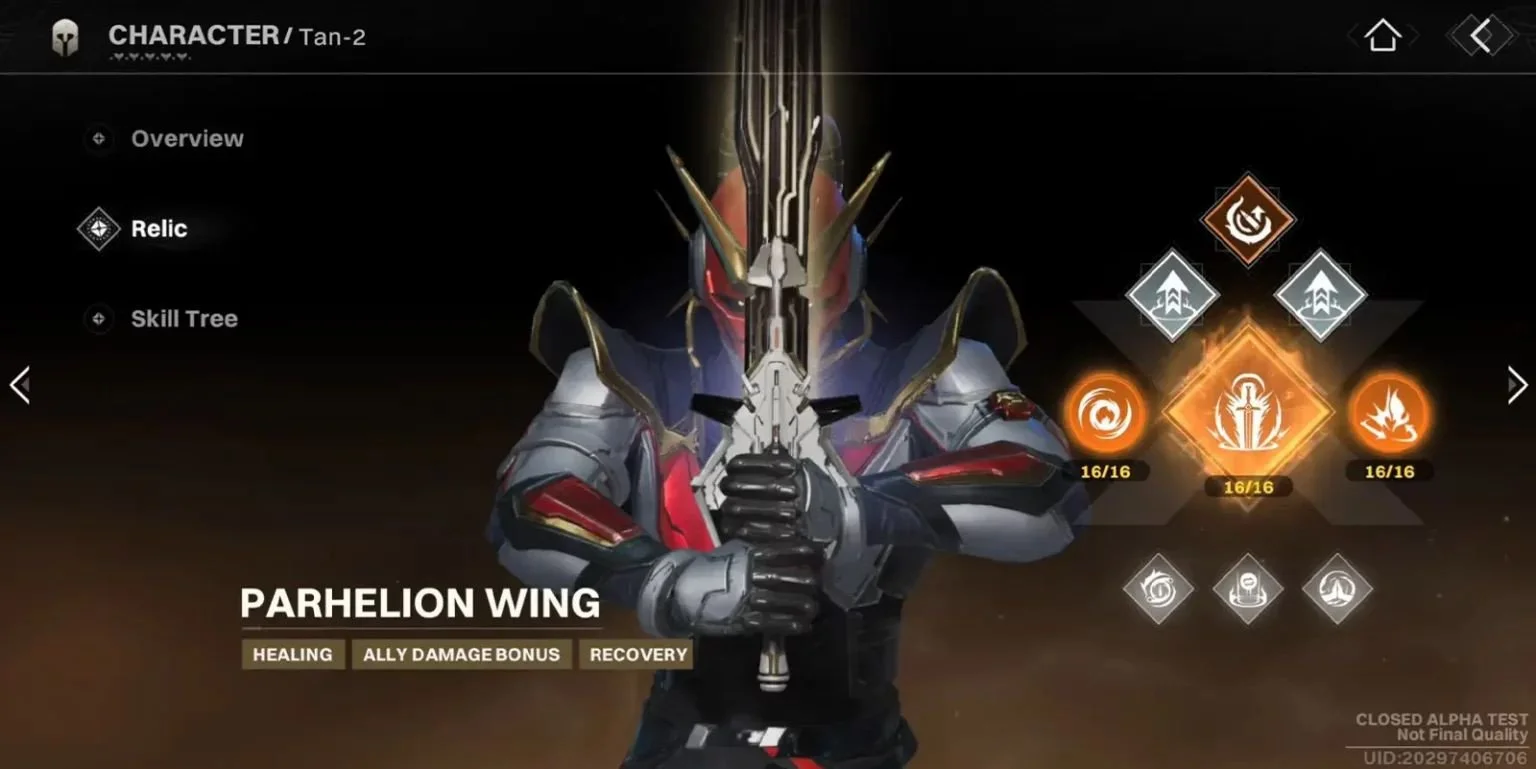
Tan-2 is the undisputed boss killer. His Blessing of Light ability is comparable to a Well of Radiance, giving the whole team a massive weapon damage boost. While he lacks AoE tools, his single-target DPS is second to none, making him essential for difficult boss fights.
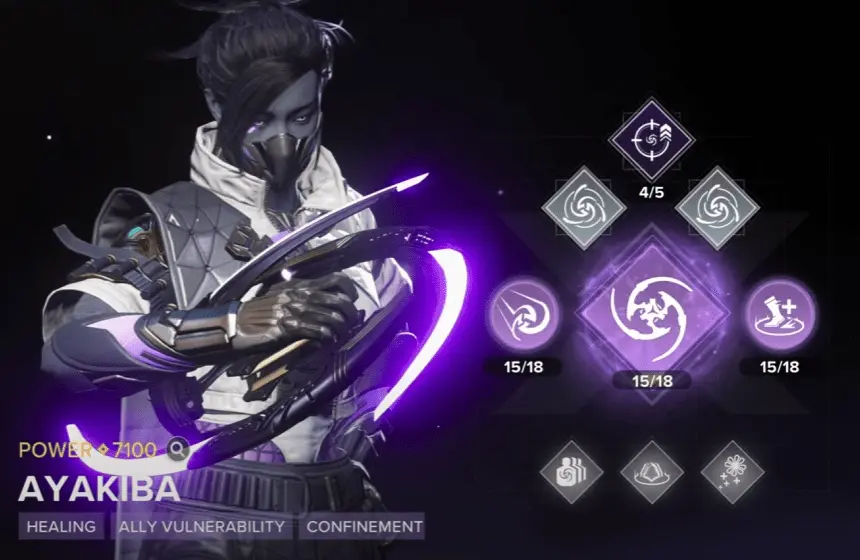
Umeko proves her worth as both a support and DPS. She grants a 40% weapon buff like Tan-2 but also brings AoE potential and debuffs. With invisibility for survivability and repositioning, Umeko’s flexibility makes her a strong contender across all game modes.
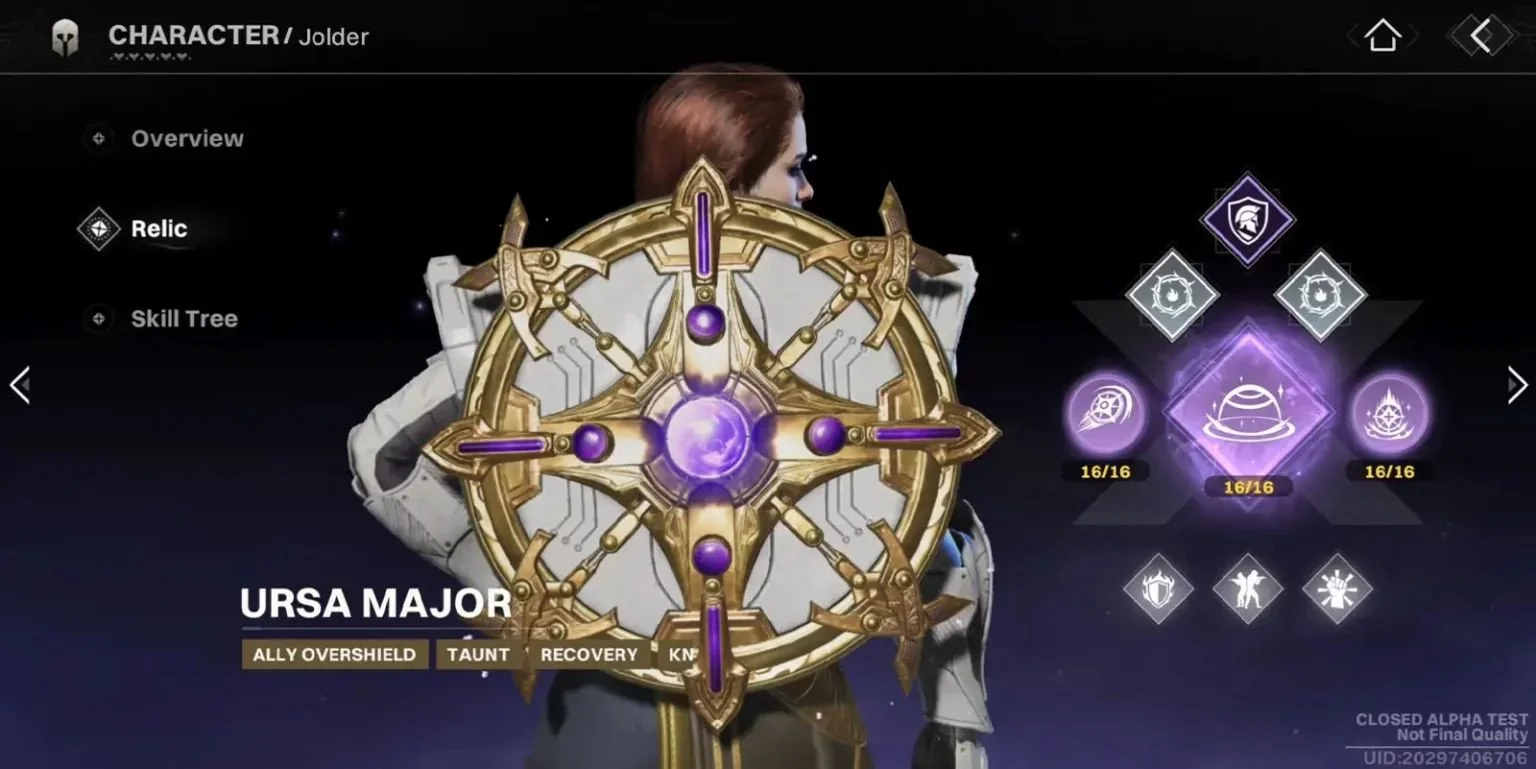
Jolder combines tank durability with lethal DPS, which puts her at the top for beginners and veterans alike. By generating Rage, she gains up to 90% multiplicative weapon damage, keeping pace with full DPS characters. Her protective bubble creates safe damage phases, while her shield kit maintains uptime during difficult encounters.
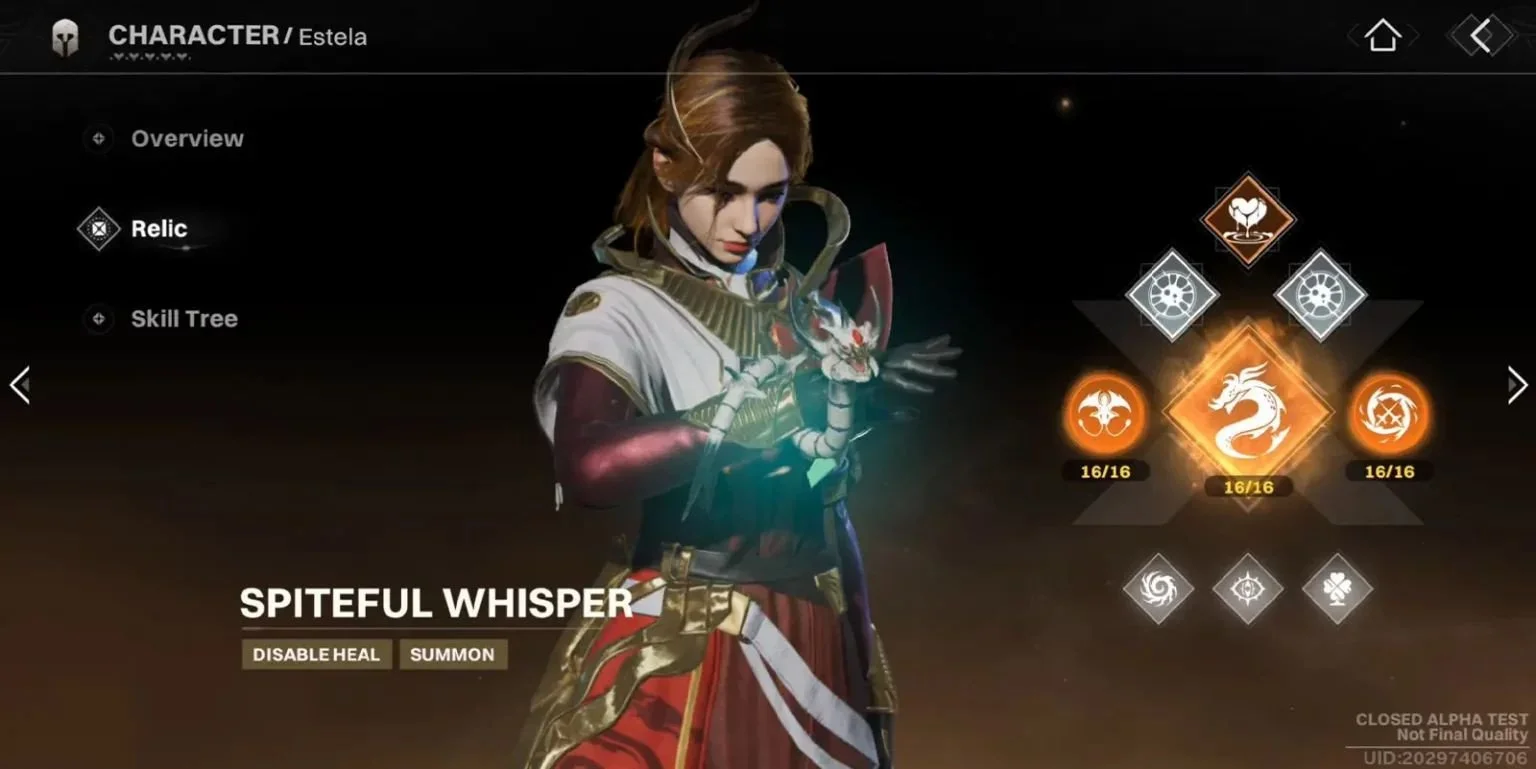
Estela dominates PvE content thanks to her illusion summons and the Misfortune debuff, which spreads damage effectively. Her unique scaling allows for excellent add-clearing and boss damage, even though she doesn’t provide teamwide buffs. She is an indispensable pick when fast clears are required.
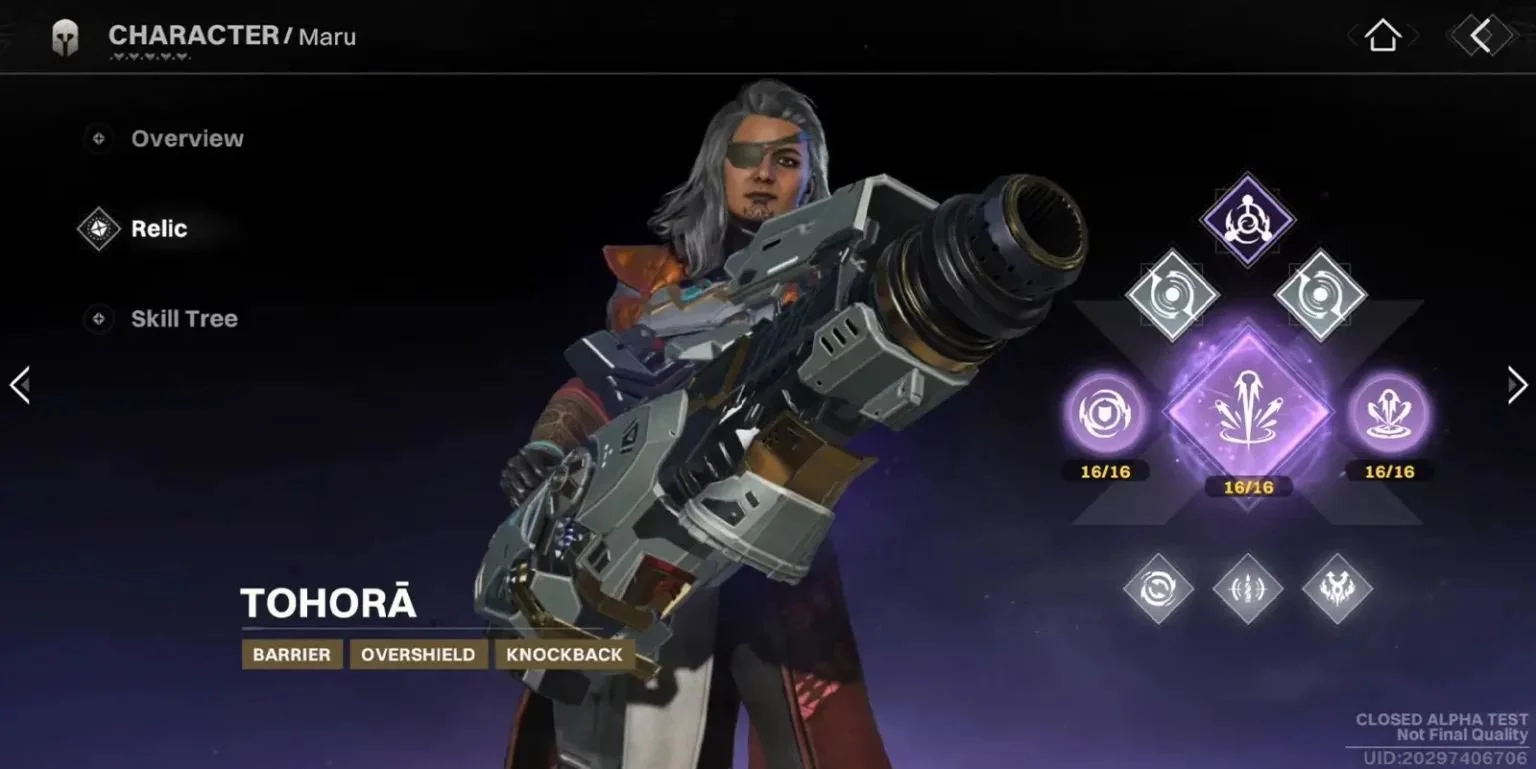
Maru’s Resonance system provides consistent explosive volleys, blending offense with layered defense. Overshields, tracking projectiles, and excellent Super uptime make her one of the most dependable DPS Lightbearers in endgame PvE.
Together, these six heroes form the backbone of the early Destiny Rising tier list, delivering damage, buffs, and reliability unmatched by other options.
A-Tier Lightbearers remain very strong and effective across most content. They may lack the absolute dominance of S-Tier heroes but remain reliable picks in the Destiny Rising tier list.
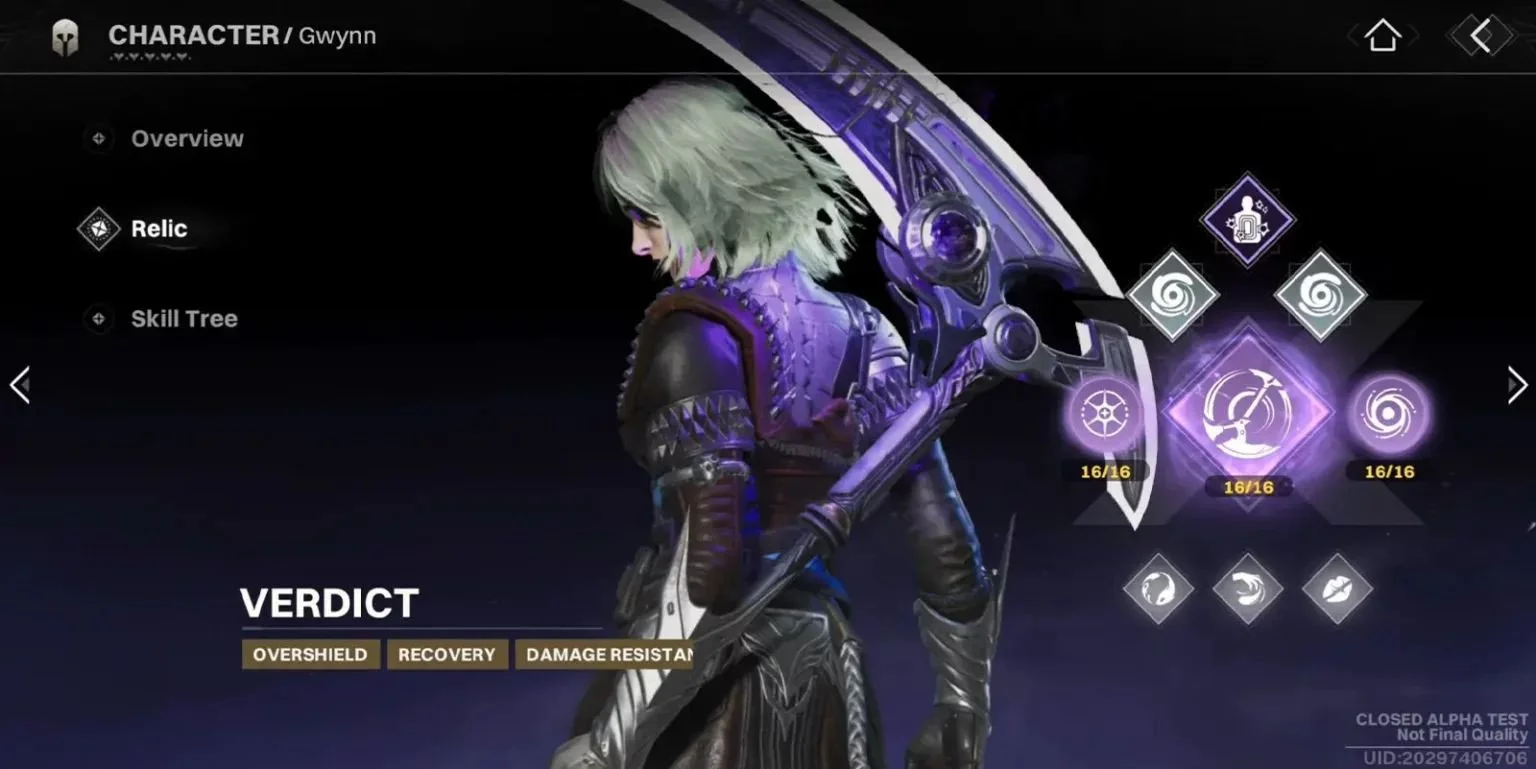
Gwynn focuses on Void damage and shines in burst scenarios. Her shotgun-based kit and Void Spirit mechanics allow for self-healing and powerful bursts against elites. She is reliable in PvE add-clearing, though limited range prevents her from being fully versatile.
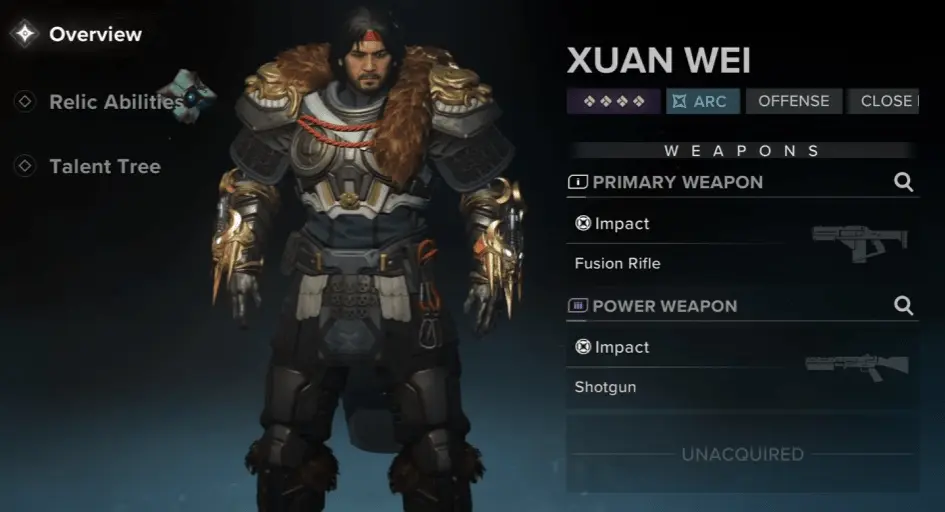
Xuan Wei is a close-range DPS machine, excelling with shotgun burst and high-impact ability uptime. His crowd control adds value, and with multiplicative buffs, he devastates enemies up close. However, his reliance on positioning makes him less flexible than ranged options.
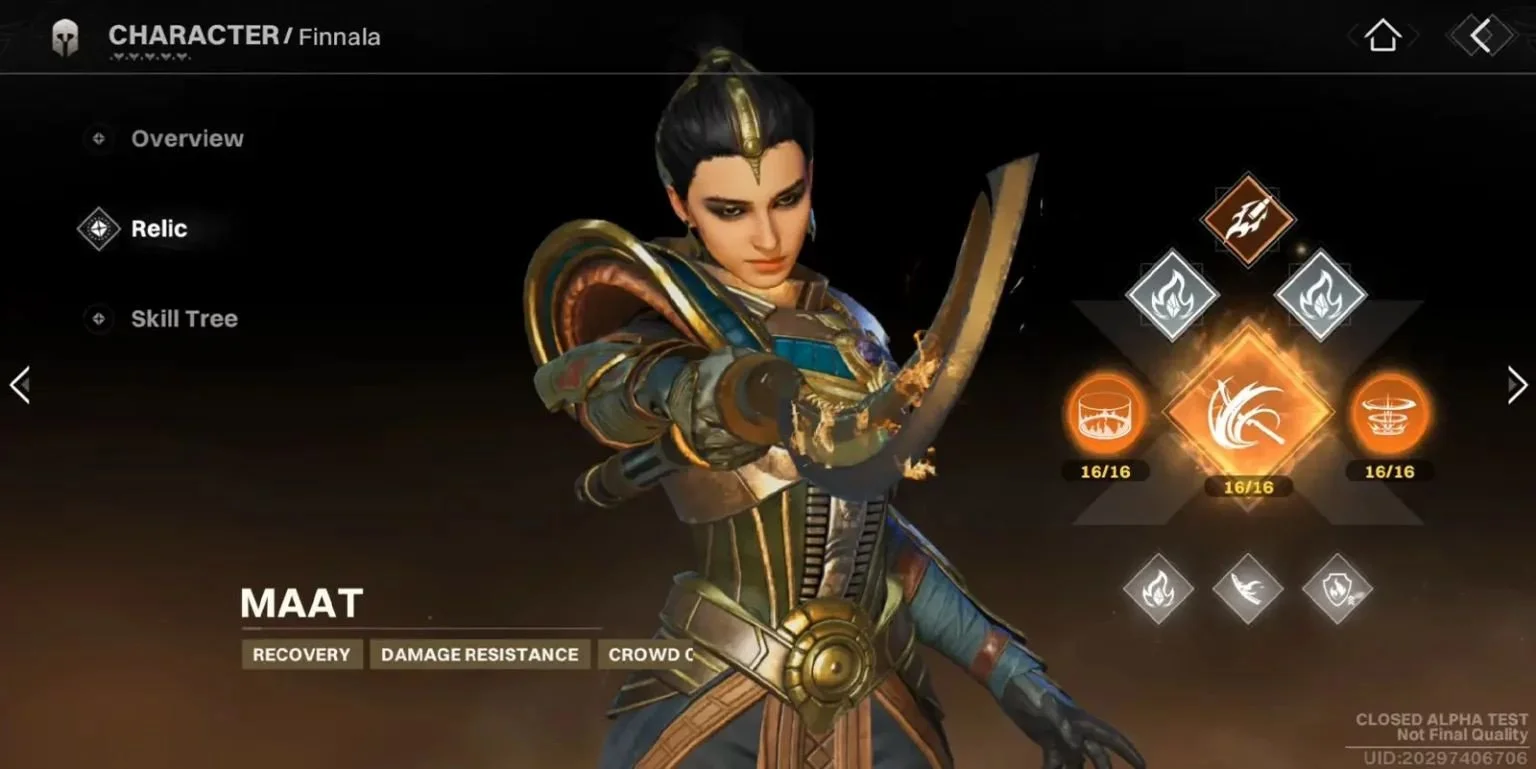
Finnala is a durable frontline fighter. With barriers that reduce ranged damage and apply Scorch, she holds ground effectively. Though her damage output is lower than higher-tier options, she provides steady survivability, making her a decent tank alternative when Jolder isn’t available.
A-Tier Lightbearers don’t always dominate, but they are consistent performers. They’re especially valuable in PvP or scenarios that require survivability.
B-Tier heroes have some useful traits but come with notable drawbacks. They’re functional but inconsistent, keeping them from being top-tier picks in the Destiny Rising tier list.
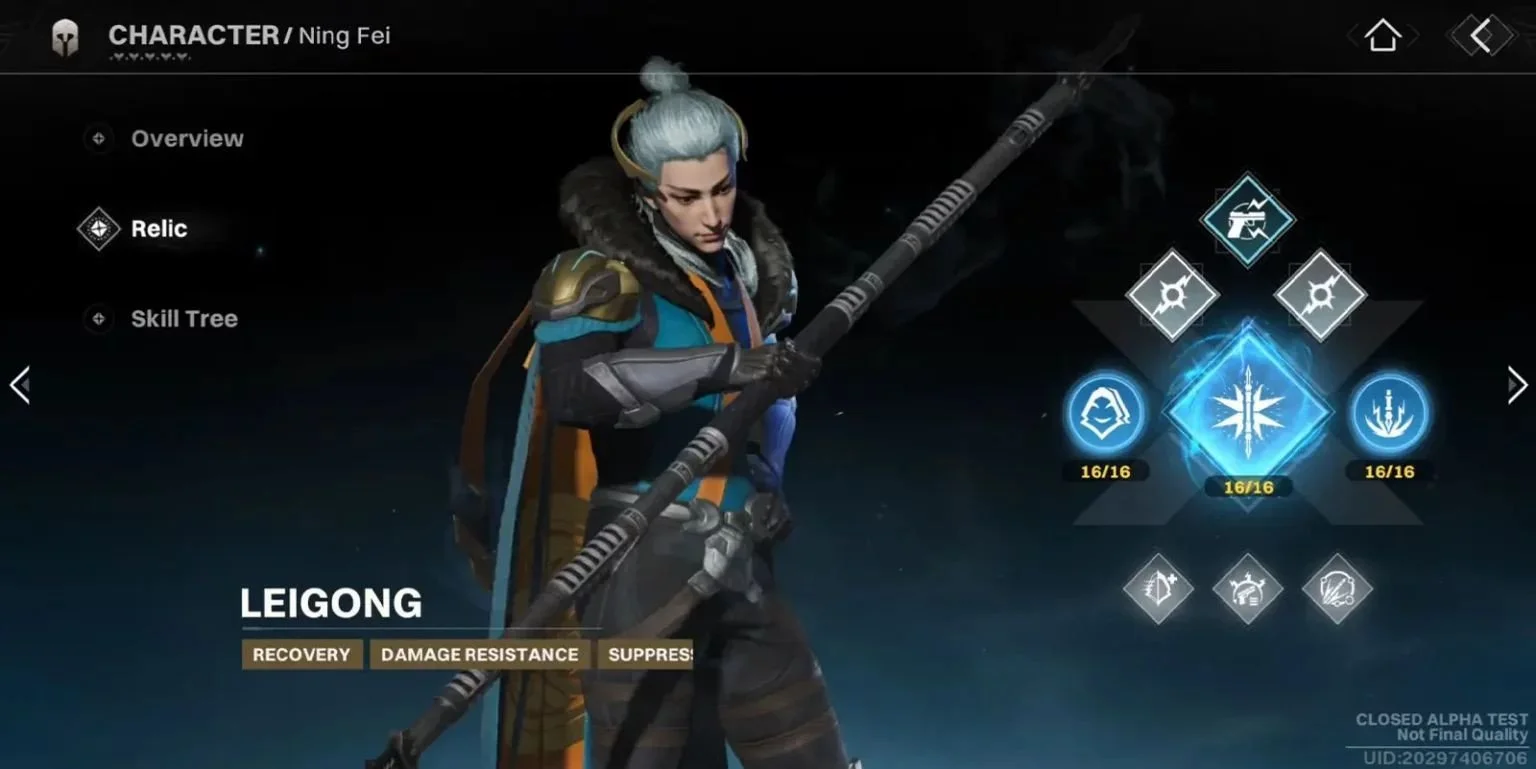
Ning Fei offers stylish gameplay with his clone mechanics and Arc chain lightning. He’s the fastest hero in the game, great for timer-based missions, but his damage numbers fall short compared to higher tiers. More of a fun pick than a meta-defining one.
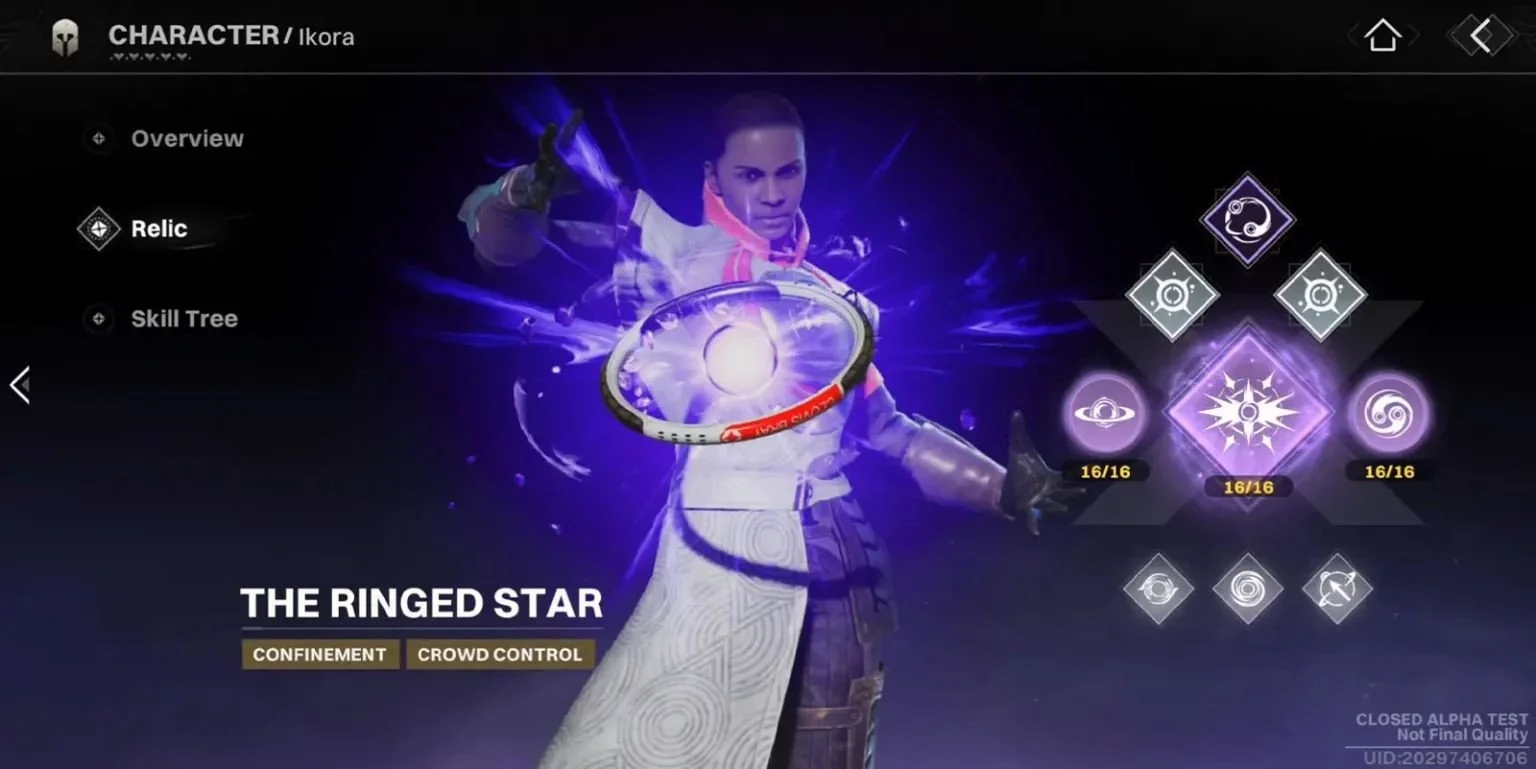
Ikora’s Nova Bomb delivers one of the largest bursts in the game, but her cooldowns are crippling. Without steady ability uptime, she can’t keep up with other Void heroes in extended fights. She’s a fan favorite for her lore, but mechanically she feels underwhelming at launch.
These Lightbearers shine in niche cases but aren’t essential investments compared to stronger DPS or support options.
C-Tier Lightbearers are the weakest launch options. They may see use in specific encounters or PvP, but they lag far behind in PvE and endgame challenges. As of now, they rank at the bottom of the Destiny Rising tier list.
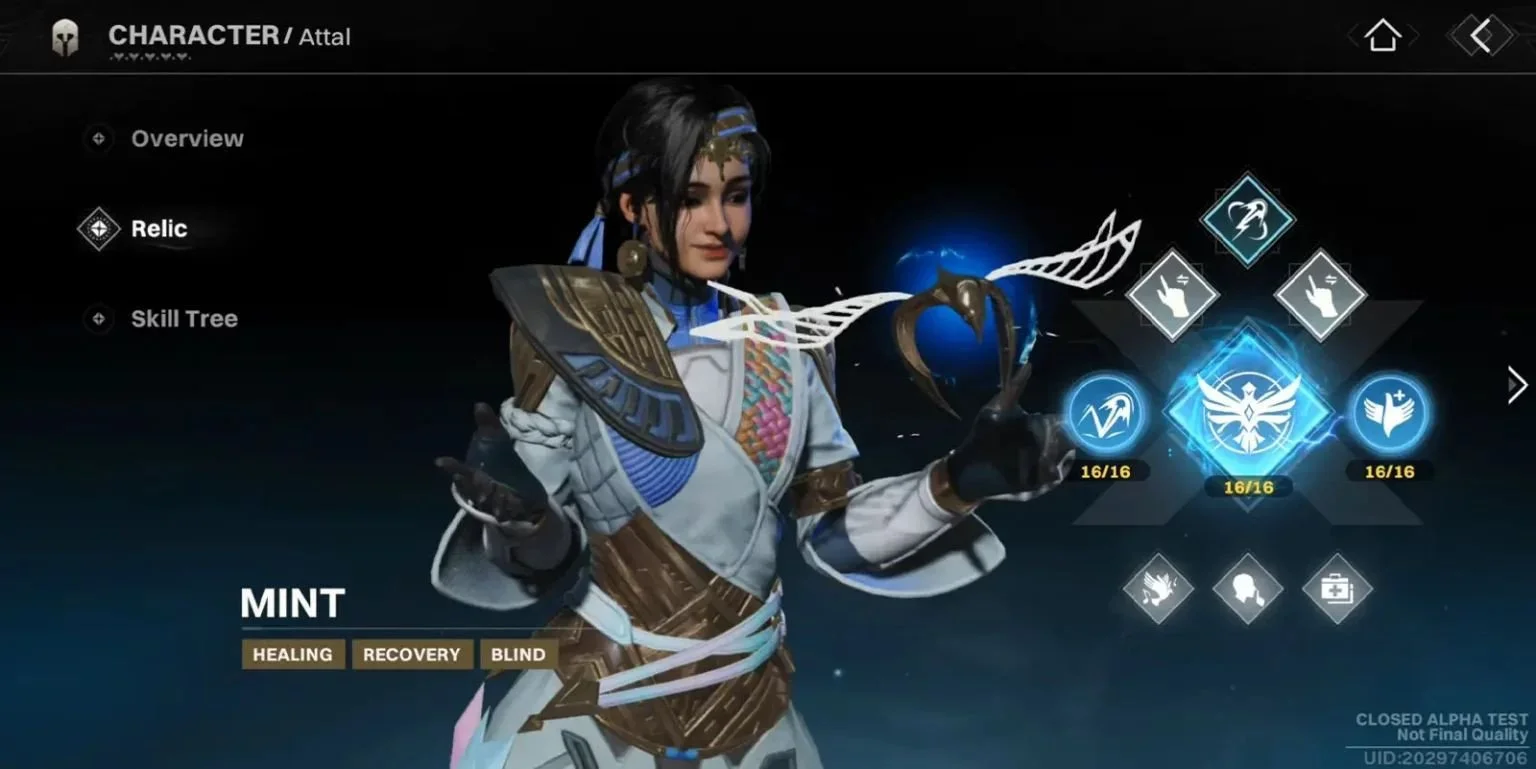
Attal acts as a pure healer through her Arc peregrine Mint, restoring allies’ health. While unique, healing is undervalued in Destiny Rising compared to preventing damage or clearing enemies faster. Her DPS is minimal, leaving her overshadowed in most content.
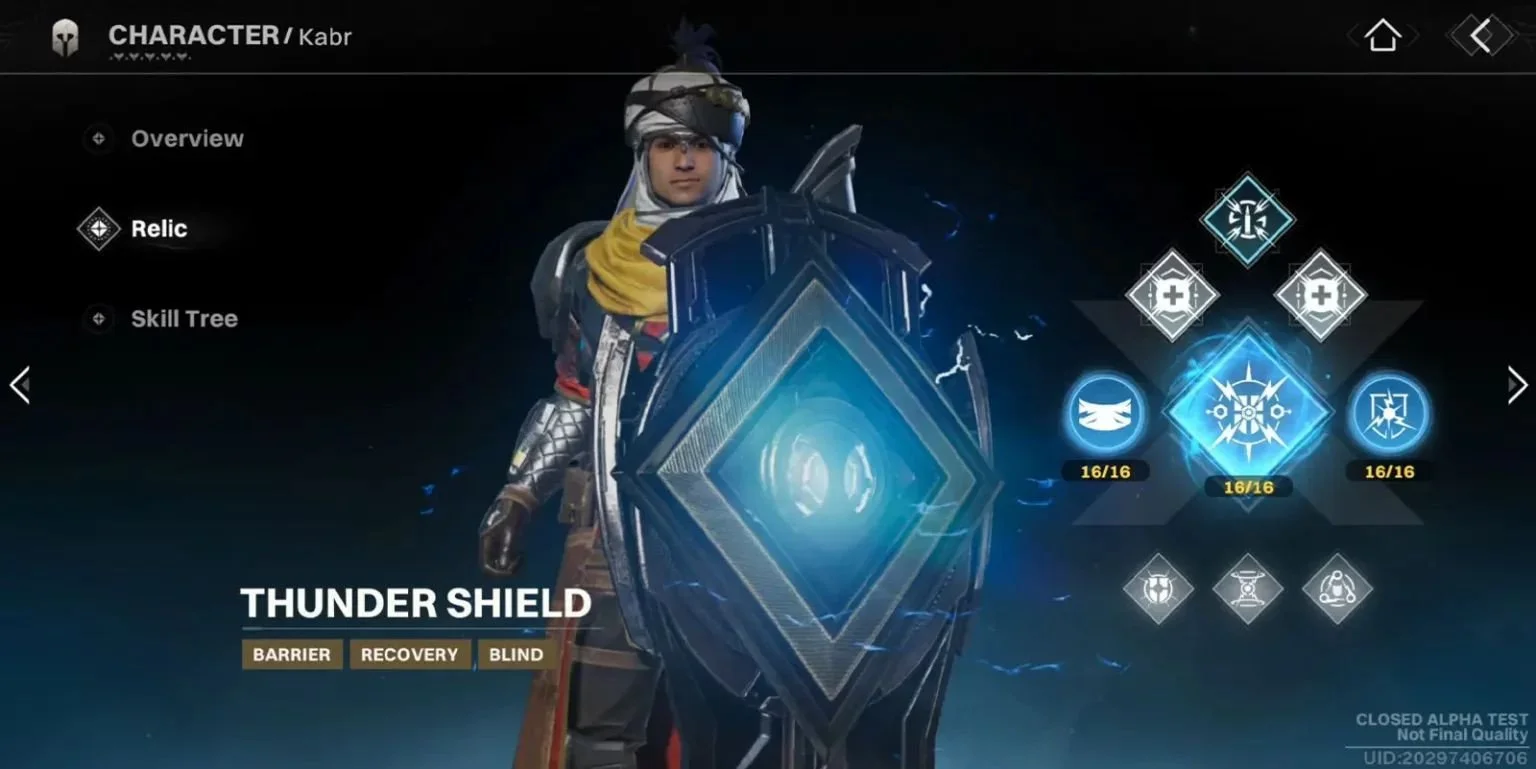
Kabr uses an Arc shield to create barriers and buff allies’ gunfire. Unfortunately, his defensive uptime is short and synergy with his weapons is poor. While blinding effects can be situationally helpful, stronger tanks and supports like Jolder and Umeko outclass him in every way.
Both Attal and Kabr struggle to justify their spot, making them the weakest investments at launch.
At launch, Wolf, Tan-2, and Umeko are the most overpowered picks. Their combination of strong DPS and reliable team utility makes them must-haves in nearly all modes.
The game begins with 13 Lightbearers on release, with additional heroes expected through future updates and banner rotations.
These Lightbearers dominate thanks to their high damage output combined with valuable buffs and utility.
For boss damage and PvE encounters, Tan-2, Estela, and Maru are top picks. Wolf and Jolder also excel due to their consistent performance and survivability.
Wolf, Umeko, and Ikora stand out in PvP. Wolf’s mobility and shields, Umeko’s invisibility and debuffs, and Ikora’s explosive Nova Bomb make them particularly effective.
Wolf, Jolder, Tan-2, and Gwynn are the most beginner-friendly Lightbearers. They are simple to use, forgiving for new players, and always bring solid value to a team.
With a starting roster of 13 Lightbearers, Destiny Rising already covers the basics of tanks, DPS, and support. Future updates will inevitably add new Guardians, shaking up the meta. For now, this Destiny Rising tier list should give you a clear understanding of where each character stands. S-Tier picks set the pace, A-Tier remains solid and dependable, B-Tier brings niche strengths with big flaws, and C-Tier struggles to stay relevant. We’ll keep updating this tier list as balance patches and new Lightbearers arrive, so stay tuned and keep checking back here at Gamer Choice for the latest updates.