


+15 More

Digital Aura Portal - FZCO
Building A1, Dubai Digital Park, Dubai Silicon Oasis, Dubai, United Arab Emirates Premises Number 72647 - 001
Business registration number: 70647


gamer-choice.com © 2026
Digital Aura Portal - FZCO
Building A1, Dubai Digital Park, Dubai Silicon Oasis, Dubai, United Arab Emirates Premises Number 72647 - 001
Business registration number: 70647
 April 22, 20266 min ReadElsa
This Diablo 4 Lord of Hatred expansion overview is created for those who don’t want to go through lengthy patch notes and just want a clear idea of what’s coming. This breakdown saves you time by covering all the key points quickly and efficiently.
This Diablo 4 Lord of Hatred overview quick summary:
Need help getting around the new expansion? Buy Diablo 4 Gold at Gamer Choice and enjoy smooth progression across Skovos with a safe, reliable service and plenty of gold at your disposal!

Buy Diablo 4 Gold
Get Diablo 4 gold fast and power up today!

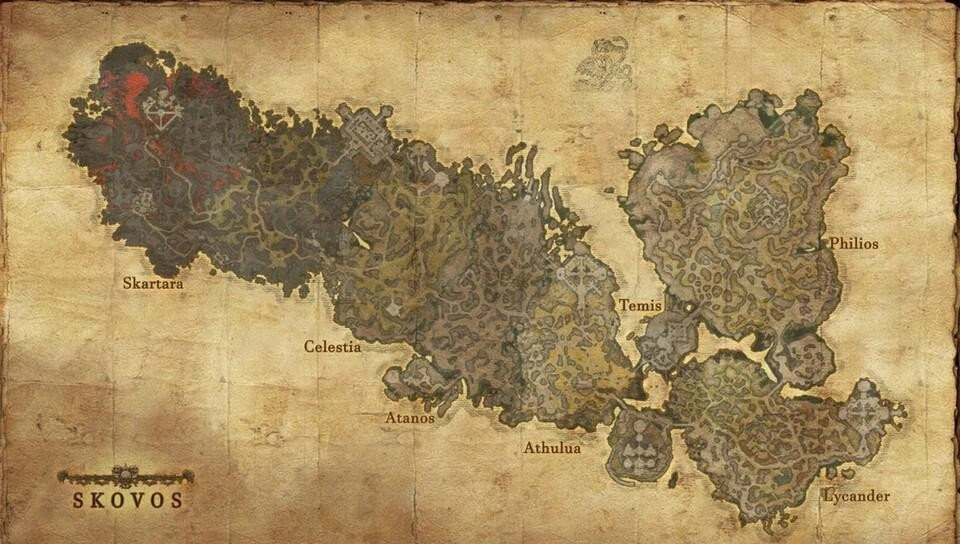
The story of D4 Lord of Hatred takes players to a brand-new and massive area known as the Skovos Isles. Based on early map leaks, this region is enormous and appears to include seven distinct zones with varying environments and biomes.
Interestingly, older Diablo lore—particularly from Diablo 3—depicted Skovos as a group of separate islands, including Skartara, Skovos, Lycander, and Philios. However, the recently leaked map presents Skovos as a unified landmass. Whether these islands were connected before or after the events of Diablo 4 remains unclear, but lore-wise, they are now tied together.
Skovos holds deep significance in Diablo’s world, as it is considered the birthplace of the Nephalem—the offspring of Angels and Demons who helped create Sanctuary. There are also inconsistencies across older lore sources regarding locations like Mount Skartara, Temis, and Athulua, making the region even more intriguing.
At the end of the day, what matters most is that players are getting a massive new map filled with diverse zones. From what we’ve seen so far, Skovos could rival the size and depth of the original Sanctuary map in Diablo 4.
One of the most exciting additions in this expansion is the introduction of two new classes. The first is the iconic Paladin, long requested by fans, and the second is the Warlock—a brand-new class with roots in Diablo 2’s anniversary expansion, Reign of the Warlock.
Here’s a quick breakdown of both.
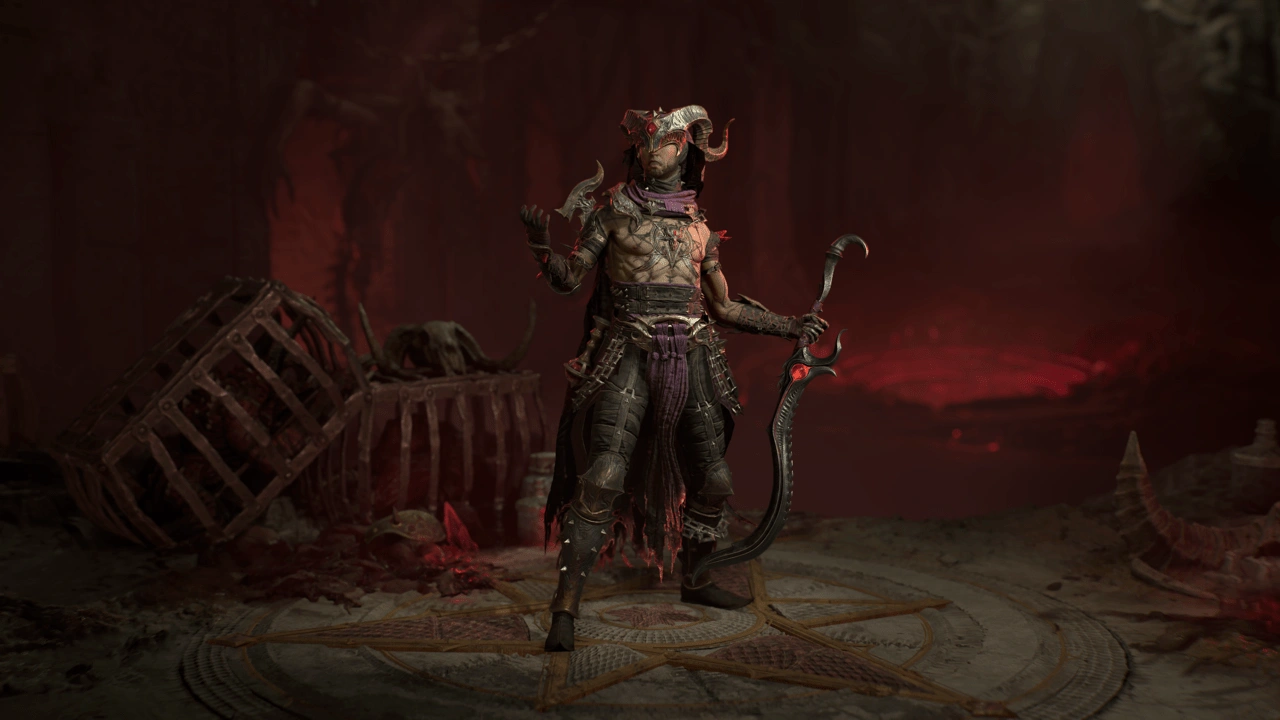
At first glance, the Warlock might seem similar to the Necromancer, but the two classes differ significantly in playstyle and theme.
While Necromancers raise the dead, Warlocks summon demons from Hell—and force them to fight.
Warlocks function as close-range casters and summoners. They are not traditional melee fighters, but they also don’t rely on long-range casting like other mage-type classes.
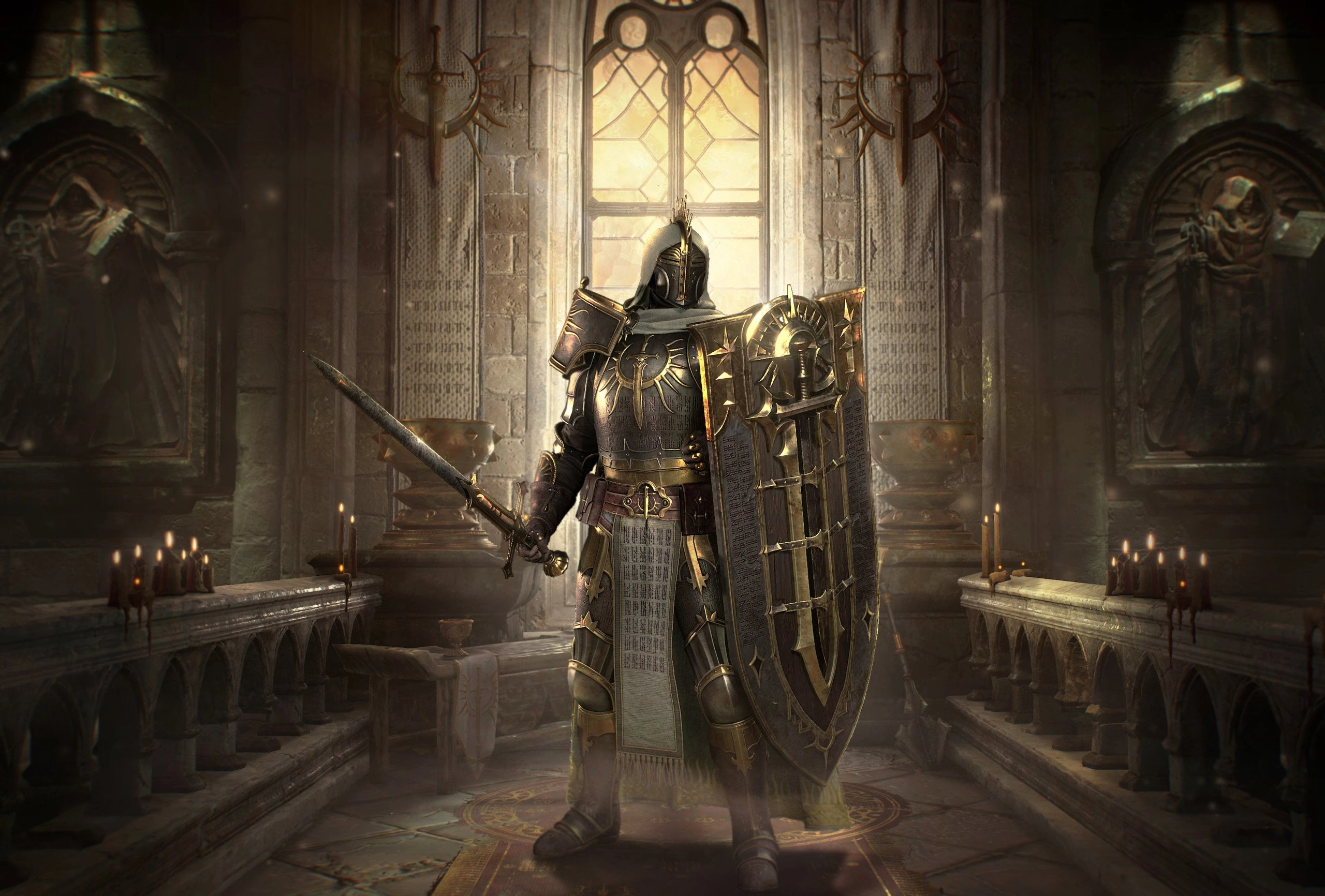
The Paladin represents a classic Diablo archetype, especially for players familiar with Diablo 2. It is a holy warrior that combines melee combat with divine magic.
Compared to the chaotic nature of the Warlock, the Paladin is more structured and direct. It excels in frontline combat, using shields, hammers, and auras to overpower enemies while maintaining strong defenses.
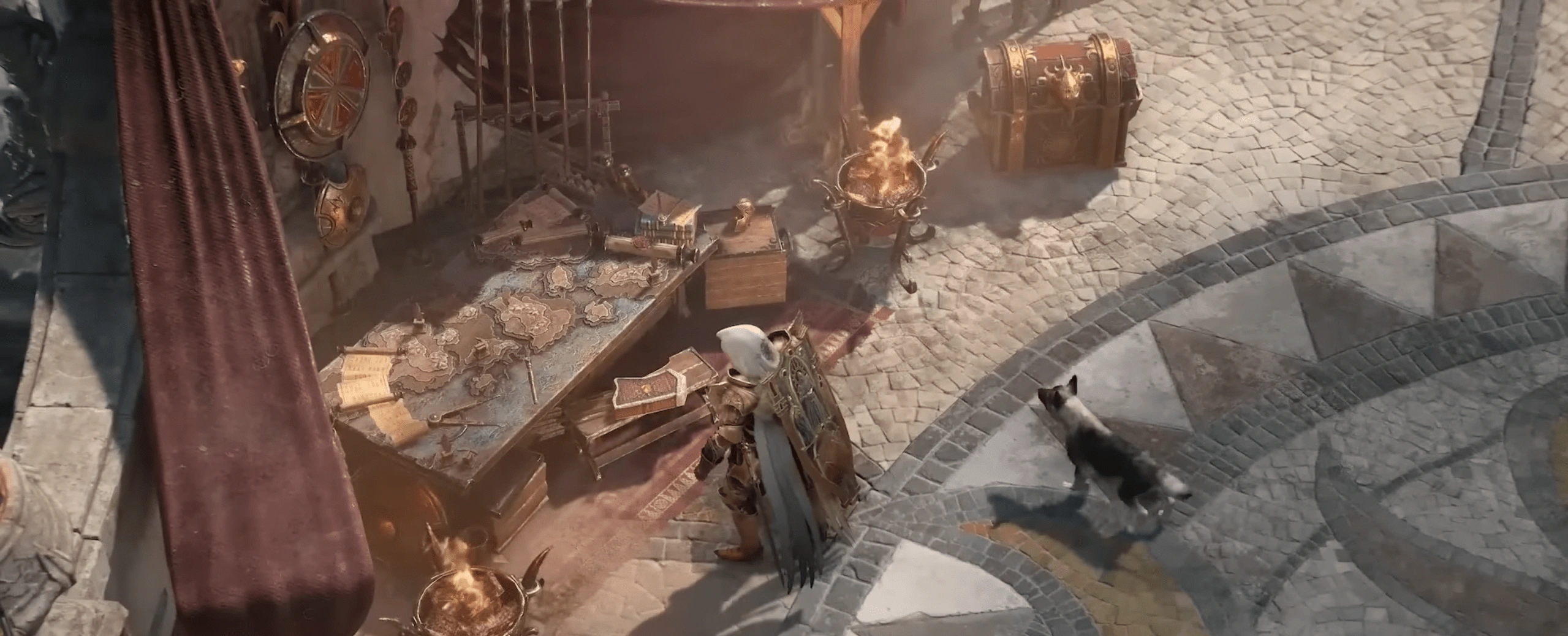
War Plans is a new system that acts as a customizable endgame activity playlist. It includes:
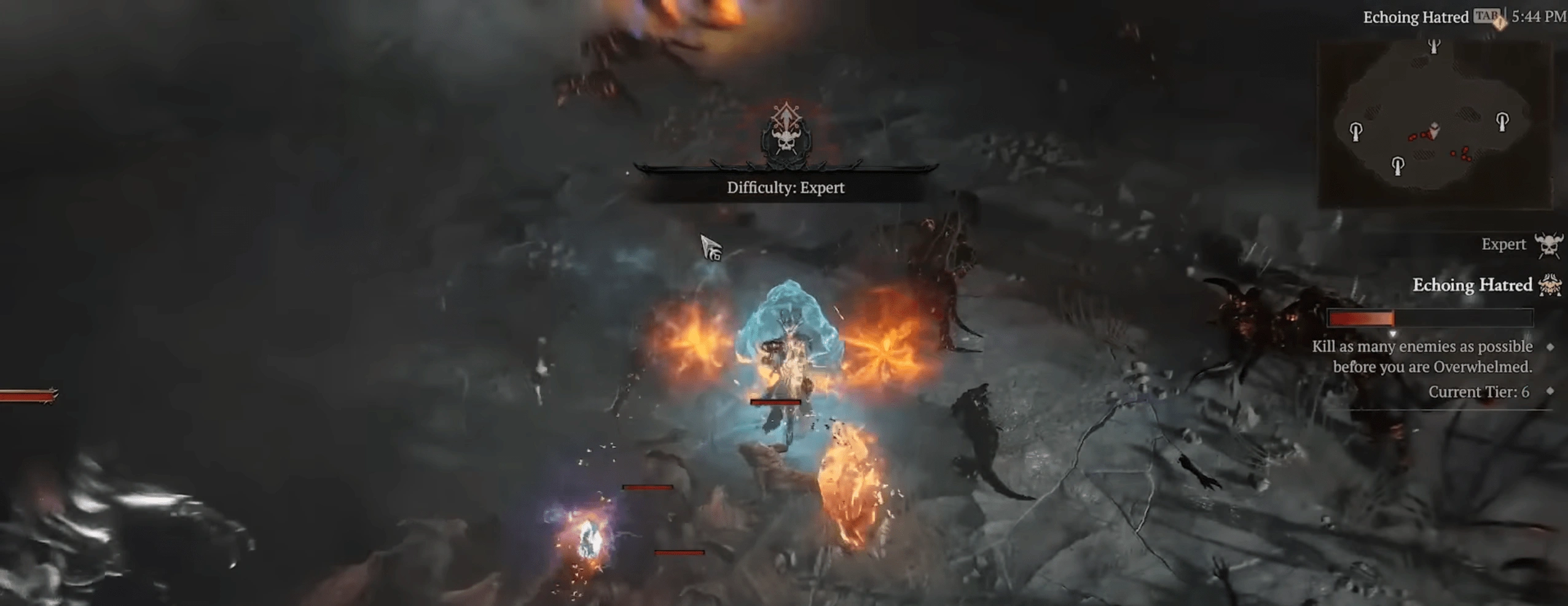
Echoing Hatred is described as a rare endgame event accessed through a special currency called Trace of Echo.
Fishing introduces a more relaxed gameplay activity.
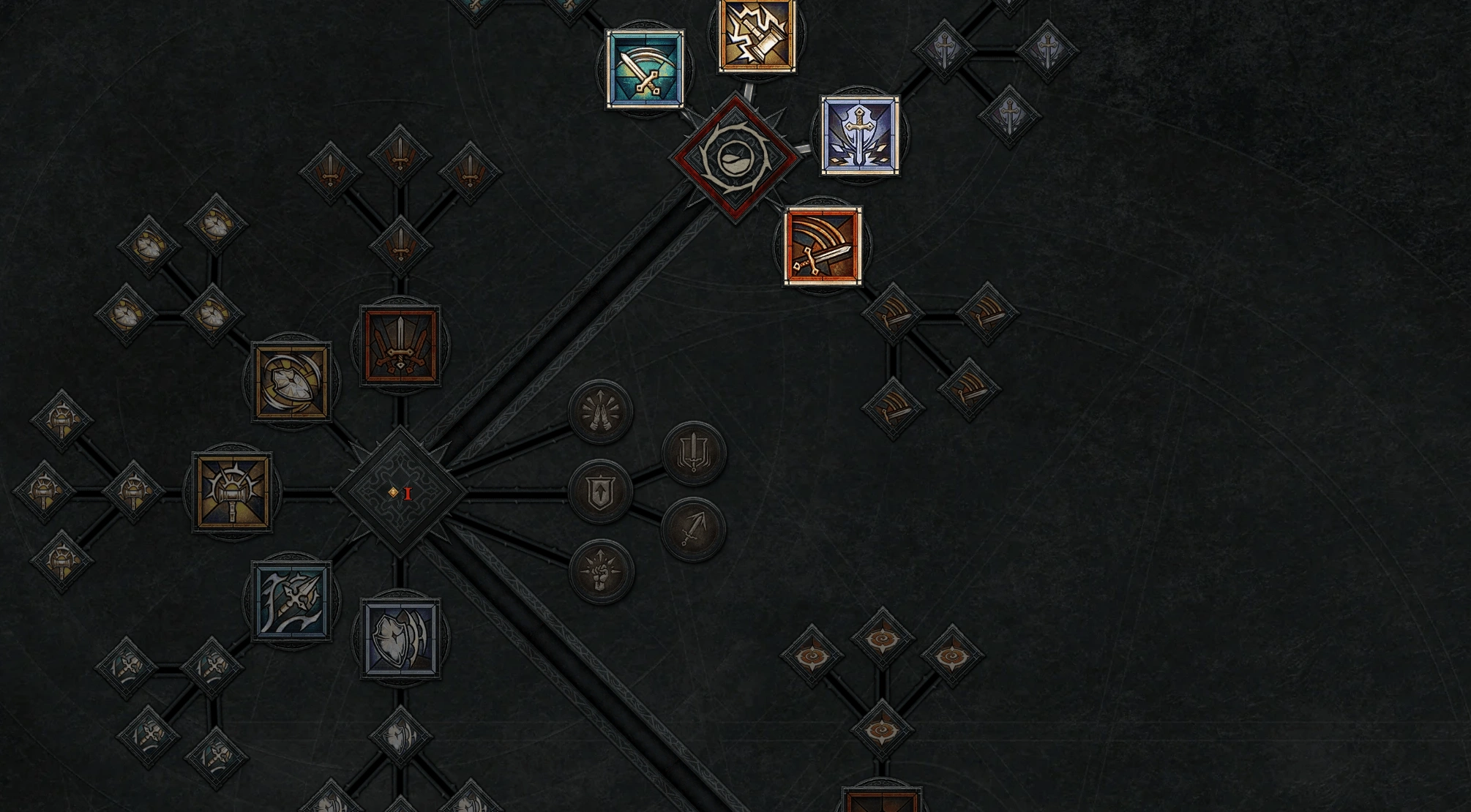
The skill tree system has been significantly expanded.
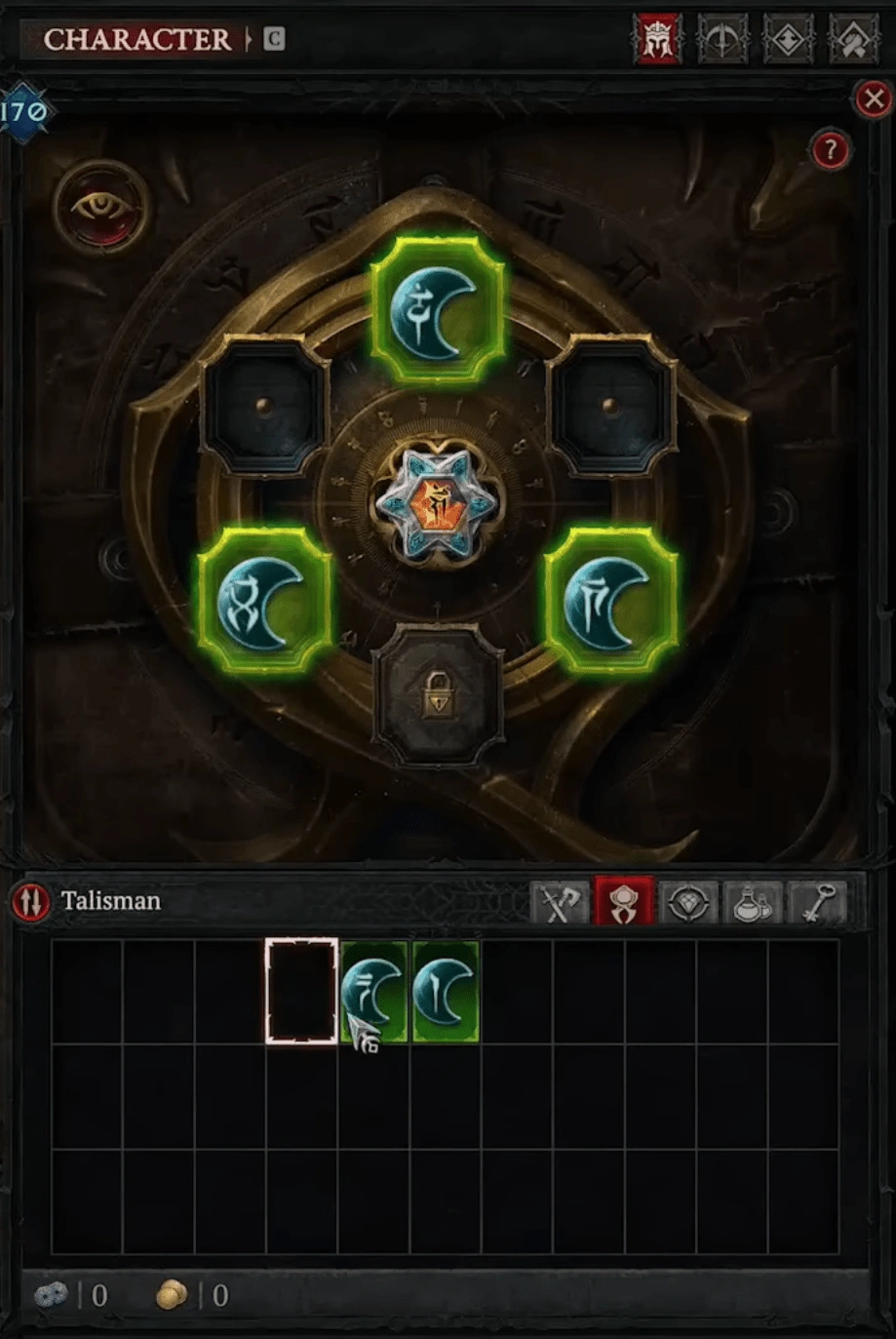
Talismans introduce a new layer of build customization.
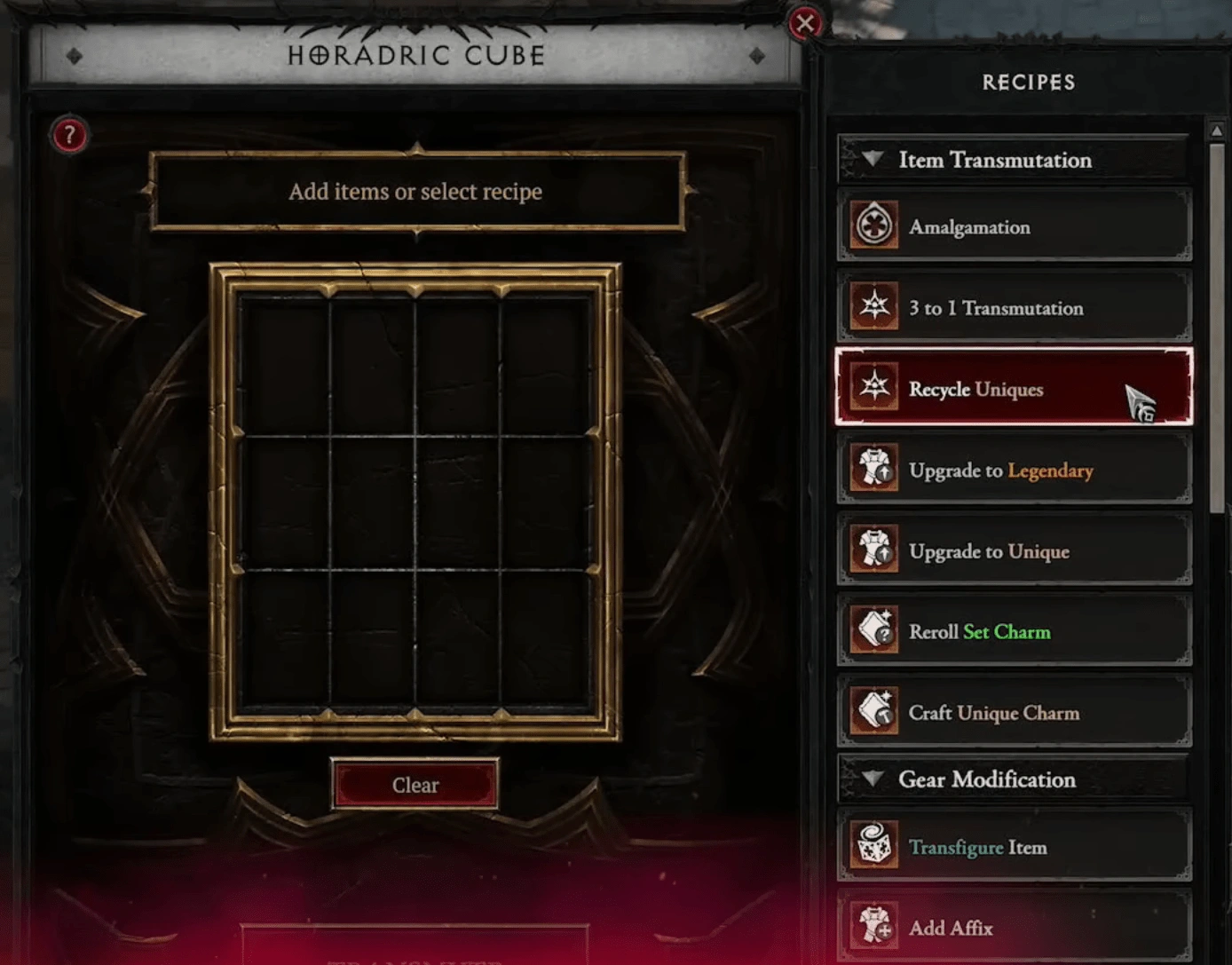
The iconic Horadric Cube returns.
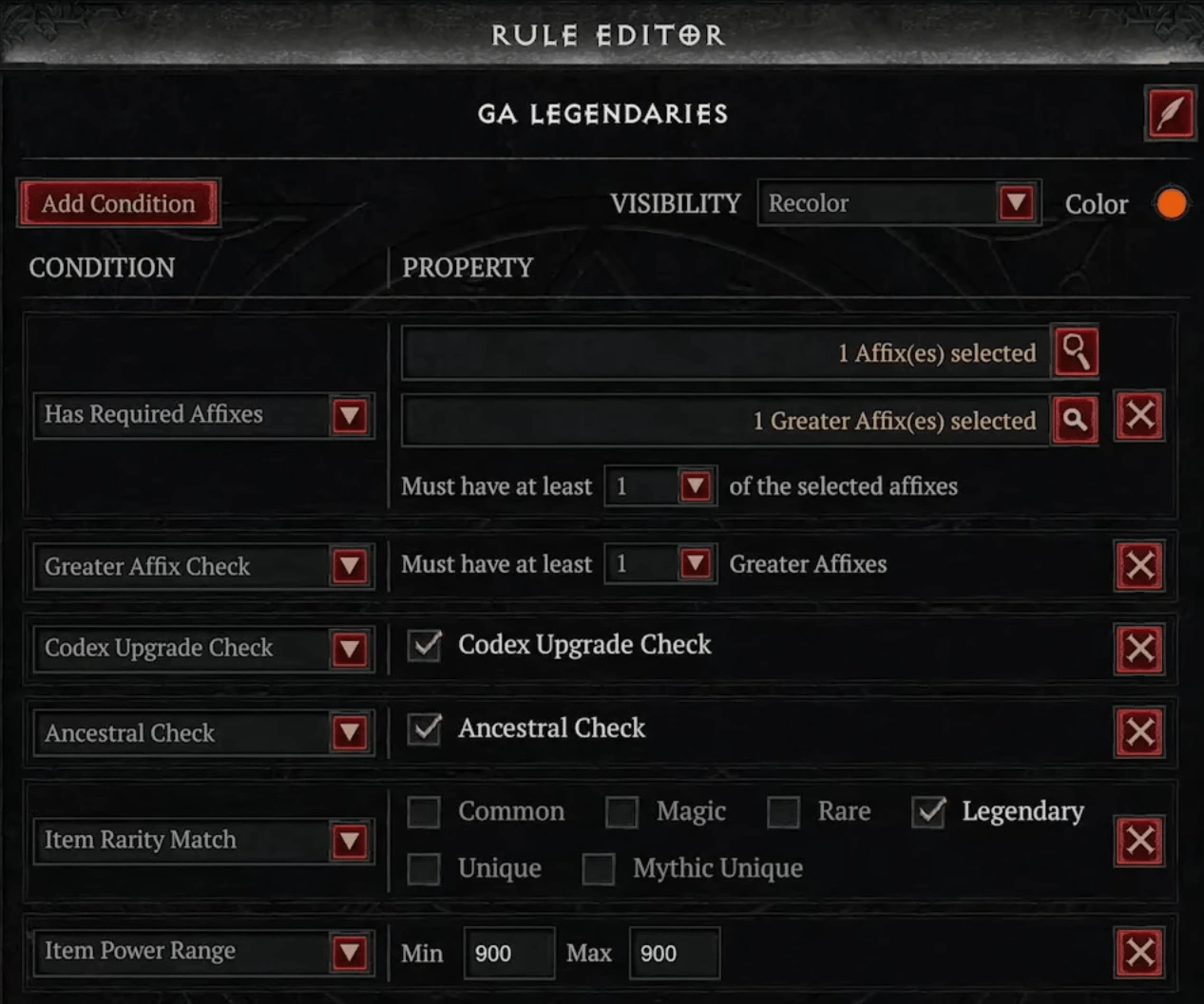
Loot filters have finally been added.
Not much detail has been revealed yet, but the expansion is expected to introduce eight additional Torment Tiers on top of the current four. These new difficulty levels are designed to push endgame content beyond Torment 4, potentially reaching a challenge level similar to high-tier Pit runs.
With a total of 12 Torment tiers available, players may end up being spread across more difficulty levels. This could lead to fewer players in the lower tiers, making it slightly more difficult to find groups for world bosses and other cooperative activities.

Buy Diablo 4 Items
Get top-tier Diablo 4 items to power up fast!
The expansion is scheduled to launch on April 28, 2026, bringing a full set of new content and system updates to Diablo 4.
Yes, access to both the Paladin and Warlock classes requires owning the expansion. However, players who pre-ordered it can already use the Paladin earlier in Season 11.
This system functions as a customizable endgame playlist where you can queue different activities and gradually unlock modifiers that change how those activities play, adding long-term progression.
The Talisman acts as a dedicated interface for equipping Charms, allowing players to gain bonuses and additional effects, especially when combining pieces from the same set.