


+15 More

Digital Aura Portal - FZCO
Building A1, Dubai Digital Park, Dubai Silicon Oasis, Dubai, United Arab Emirates Premises Number 72647 - 001
Business registration number: 70647


gamer-choice.com © 2026
Digital Aura Portal - FZCO
Building A1, Dubai Digital Park, Dubai Silicon Oasis, Dubai, United Arab Emirates Premises Number 72647 - 001
Business registration number: 70647
 June 22, 20257 min ReadElsa
In this comprehensive guide to the Paragon Board system in Diablo 4, we’ll walk you through everything you need to know as of the latest patch 2.0, known as the Vessel of Hatred. This guide explores how the Paragon Board works, the different tile types, the level cap, and how glyphs and sockets are integrated into the system.
The Paragon Board in Diablo 4 is a system that enables continued character development beyond the standard leveling cap. Once you hit Level 50, Paragon Points become available alongside normal XP gains. These points can then be allocated to unlock nodes on your board, enhancing your character with strategic upgrades.
Buy Diablo 4 Gold
Get Diablo 4 gold fast and power up today!

The endgame in Diablo 4 revolves around making smart decisions on how to use your finite Paragon Points. Unlike in Diablo 3, where points were unlimited, the Paragon Board system in Diablo 4 introduces a capped approach that encourages build-specific planning and character optimization.
With the introduction of the Vessel of Hatred expansion and Season 6, the level cap has shifted from 100 to 60. Now, Paragon Points are earned starting from Level 60 rather than being tied directly to level progression. Each Paragon Level grants one Paragon Point, and the new total has been raised to 300 points. You can also earn an additional 28 points through Renown rewards and Altars of Lilith, making the overall cap 328 points.
This restructuring allows players to access endgame systems faster and provides more freedom in character building. The separation of Paragon and level progression further supports alternate character development within the same Realm. After reaching Level 60, Paragon Points apply account-wide, allowing new characters to benefit from your progress.
Additionally, characters above Level 50 before this patch will have their levels recalibrated. Experience-based Paragon Points will be converted into the updated Realm-wide Paragon Levels, ensuring players keep their progression intact while aligning with the new system.
If you're interested in speeding up your Paragon progression, Gamer Choice offers Paragon Leveling services performed by professional players. Let us handle the grind so you can enjoy the high-level content sooner. We provide reliable service at competitive prices with guaranteed results.
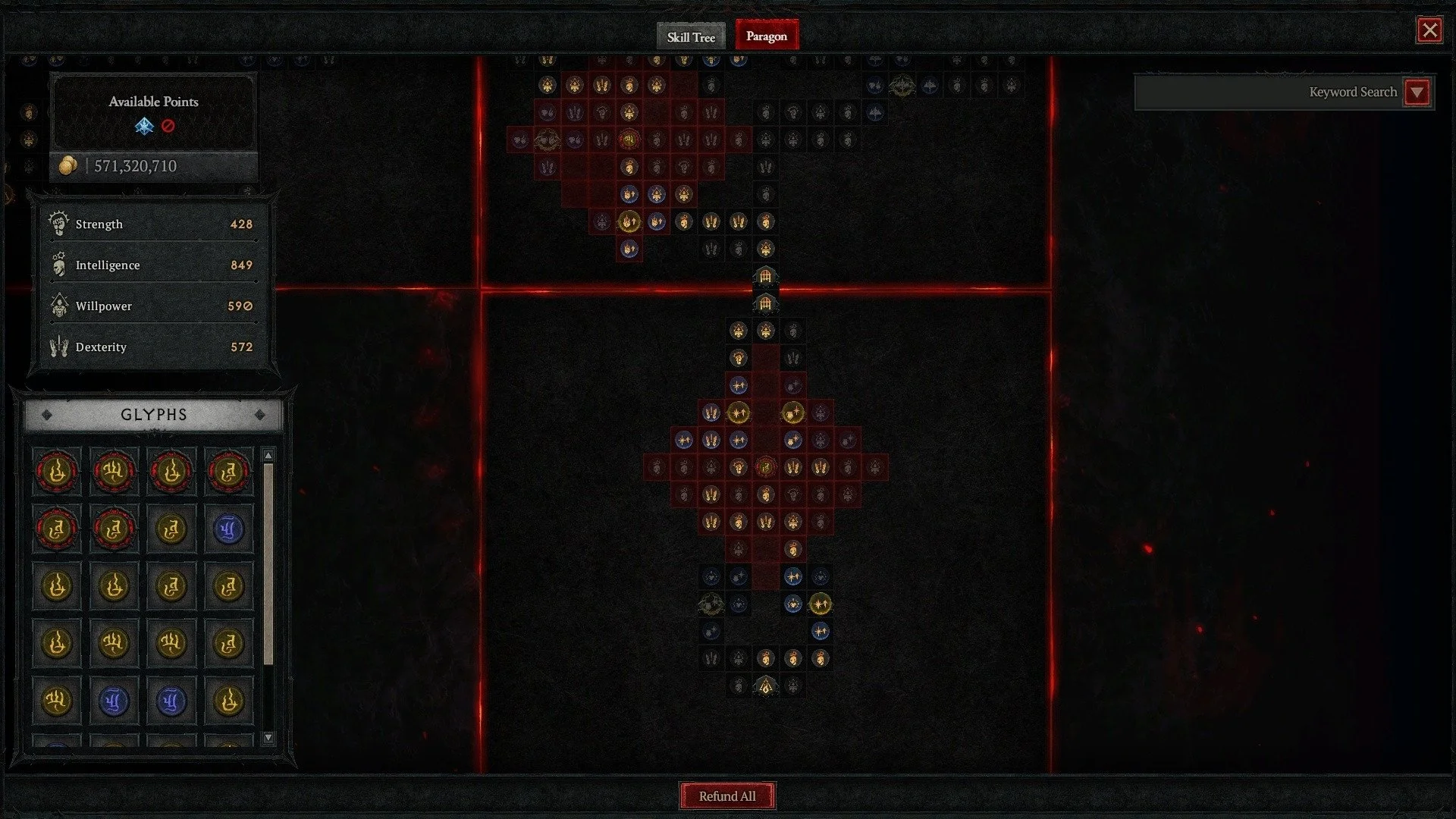
Since Diablo 4’s launch, the Paragon Board has undergone various refinements. The image provided below reflects the updated design from August 2022, which remained unchanged until the most recent overhaul with the Vessel of Hatred update.
Compared to earlier iterations from 2021, the current layout is much more streamlined, offering accessibility to both new and seasoned players. Though major design changes are unlikely, we will continue monitoring for updates and refresh this guide accordingly.
The Paragon Board consists of a network of connected nodes that grant stat boosts and unique bonuses. As players accumulate Paragon Points, they can unlock specific nodes and progress toward powerful upgrades. The board is highly modular, allowing deep character customization based on your preferred playstyle.
Below is a placeholder representing the types of tiles found on the Paragon Board:
| Tile Type | Unique Name | Per Board Quantity |
|---|---|---|
| Normal | No | - |
| Magic | No | - |
| Rare | Yes | Six |
| Legendary | Yes | One |
Once you reach a board’s edge, a Gate Tile lets you attach a new board. Each additional board includes a Legendary Tile, which is always centrally located, ensuring balanced progression regardless of where you start. You can also rotate new boards before attaching them, enabling more efficient path planning.
Currently, there are five known types of tiles on the Paragon Board, each offering different advantages. We will describe four of these tile types below. The fifth is particularly rare and designed to significantly boost your character’s power.

The most common type across all boards, Normal Tiles provide small stat bonuses. These can add up significantly when multiple tiles are activated.
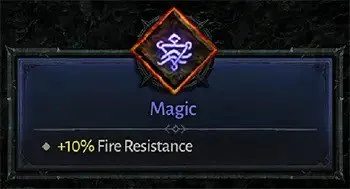
These are less frequent and usually found in small clusters. Magic Tiles offer stronger bonuses and are slightly more challenging to locate.

Positioned at the edges of each board, Rare Tiles are limited in number—typically six per board. They include conditional bonuses that activate when certain stat thresholds are met. Each tile is uniquely named.

These tiles are not found on the starter board but are featured on every new board you attach. Each board contains only one Legendary Tile located in the center. Reaching it requires roughly the same effort regardless of your entry point. However, the power it grants is always substantial, making it a core objective in your board planning.
In addition to the board itself, equipping your character with powerful gear is vital for tackling high-level content. To support this, a significant amount of gold is required. Rather than spending hours farming, consider purchasing Diablo 4 Gold Coins through Gamer Choice. We provide the fastest delivery and affordable rates to keep you focused on gameplay.
Another layer of depth within the Paragon Board system involves Glyphs and Sockets. Sockets are special tiles where you can insert Paragon Glyphs, significantly enhancing your character’s stats. Earlier versions of the board allowed up to three Socket Tiles per board, but recent changes have improved both their availability and effectiveness.
When equipped, Glyphs grant bonuses based on the number of active tiles within their range. Just like other tiles, Glyphs are categorized as:
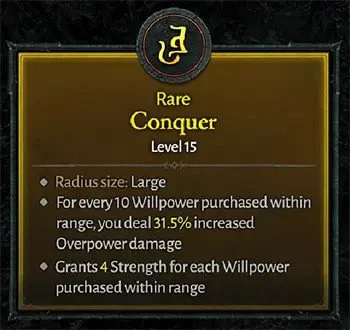
They also vary by name and radius. You can view your collected Glyphs in the menu and level them up through gameplay.
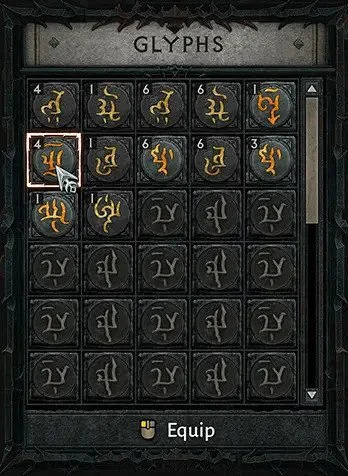
Originally, Glyphs were upgraded by completing Nightmare Dungeons. However, in the Vessel of Hatred expansion and Season 6, this mechanic has been replaced by a new system known as the Pit.
Glyphs now have a maximum rank of 100, with key milestones at level 15 and 46. At these breakpoints, the tile radius expands, increasing the Glyph’s effectiveness. Furthermore, a Rare Glyph reaching Level 46 can be upgraded to a Legendary Glyph using Gem Fragments, introducing powerful multiplicative bonuses.
The new ranking system eliminates XP and instead uses successful Pit Tier completions to level Glyphs. Completing a Pit at least 10 levels higher than your Glyph guarantees a rank-up. Other factors, like completing a Pit death-free or choosing harder challenges, offer extra upgrade attempts.
Gamer Choice is a trusted name in gaming services, offering premium boosting options tailored to your needs. With more than five years of industry experience, we pride ourselves on delivering top-tier assistance.
What truly sets us apart is our commitment to customer satisfaction. Our 24/7 support team is ready to answer any questions or help resolve concerns at any time.
We also provide regular discounts and cashback ranging from 5% to 20% on all orders, ensuring that our services are both effective and budget-friendly.
You can access the Paragon Board in Diablo 4 once your character reaches level 60. From that point forward, Paragon Points will begin accumulating through Paragon Level progression.
The Paragon Board is an advanced character progression system unlocked at level 60. It allows players to earn and spend Paragon Points to boost stats and gain special abilities.
Diablo 4 offers a total of 328 Paragon Points: 300 are earned by leveling through Paragon Levels, 24 come from Renown milestones, and 4 are awarded via the Altars of Lilith.
Yes, Diablo 4 features a full Paragon system, unlocked at level 60. It enables players to further develop their characters using the Paragon Board structure.
Paragon progression begins at level 60, and players can earn up to 300 points purely from leveling, with more available through other sources.
At this time, Diablo 4 does not offer a method to reset Paragon Points. Players must plan their point allocations carefully to match their desired builds.
Absolutely. When used wisely on the Paragon Board, Paragon Points provide substantial boosts to your character's performance and can dramatically impact gameplay.
The full potential includes a maximum of 328 Paragon Points—300 from progression, 24 from Renown, and 4 from the Altars of Lilith.

Buy Diablo 4 Items
Get top-tier Diablo 4 items to power up fast!
The Paragon Board system in Diablo 4 remains one of the game’s most impactful features for post-level-cap progression. It provides diverse options for building your character’s stats and abilities. By carefully navigating through the board and choosing optimal paths, players can tailor their builds to meet any challenge Sanctuary throws at them. With this updated guide, you’re equipped to make informed choices and master the Paragon Board system in Diablo 4.