


+15 More

Digital Aura Portal - FZCO
Building A1, Dubai Digital Park, Dubai Silicon Oasis, Dubai, United Arab Emirates Premises Number 72647 - 001
Business registration number: 70647


gamer-choice.com © 2026
Digital Aura Portal - FZCO
Building A1, Dubai Digital Park, Dubai Silicon Oasis, Dubai, United Arab Emirates Premises Number 72647 - 001
Business registration number: 70647
 November 09, 20258 min ReadElsa
Depending on where you live, you’ve likely noticed mysterious icons on game boxes or digital store descriptions. In North America, these symbols represent the ESRB rating, which helps categorize video games based on the age group they’re suitable for.
The Entertainment Software Rating Board plays a vital role in ensuring each title clearly shows its appropriate age label. These ratings begin with “Everyone” and end with “Adults Only 18.”
It’s not hard to guess which one is the most controversial. But what exactly makes it so? And do these age restrictions truly serve their purpose? To date, only 27 games have earned the AO (Adults Only) label — so let’s dive into what makes these mature-rated titles so fascinating!
The 1990s marked a huge leap forward in video game audiovisual quality, which quickly caught the attention of lawmakers during the 1992 hearings on gaming violence. Around that time, three infamous titles—Doom, Night Trap, and Mortal Kombat—sparked debates worldwide. This led to censorship, with Mortal Kombat heavily toned down on the Super NES but left nearly untouched on Sega consoles.
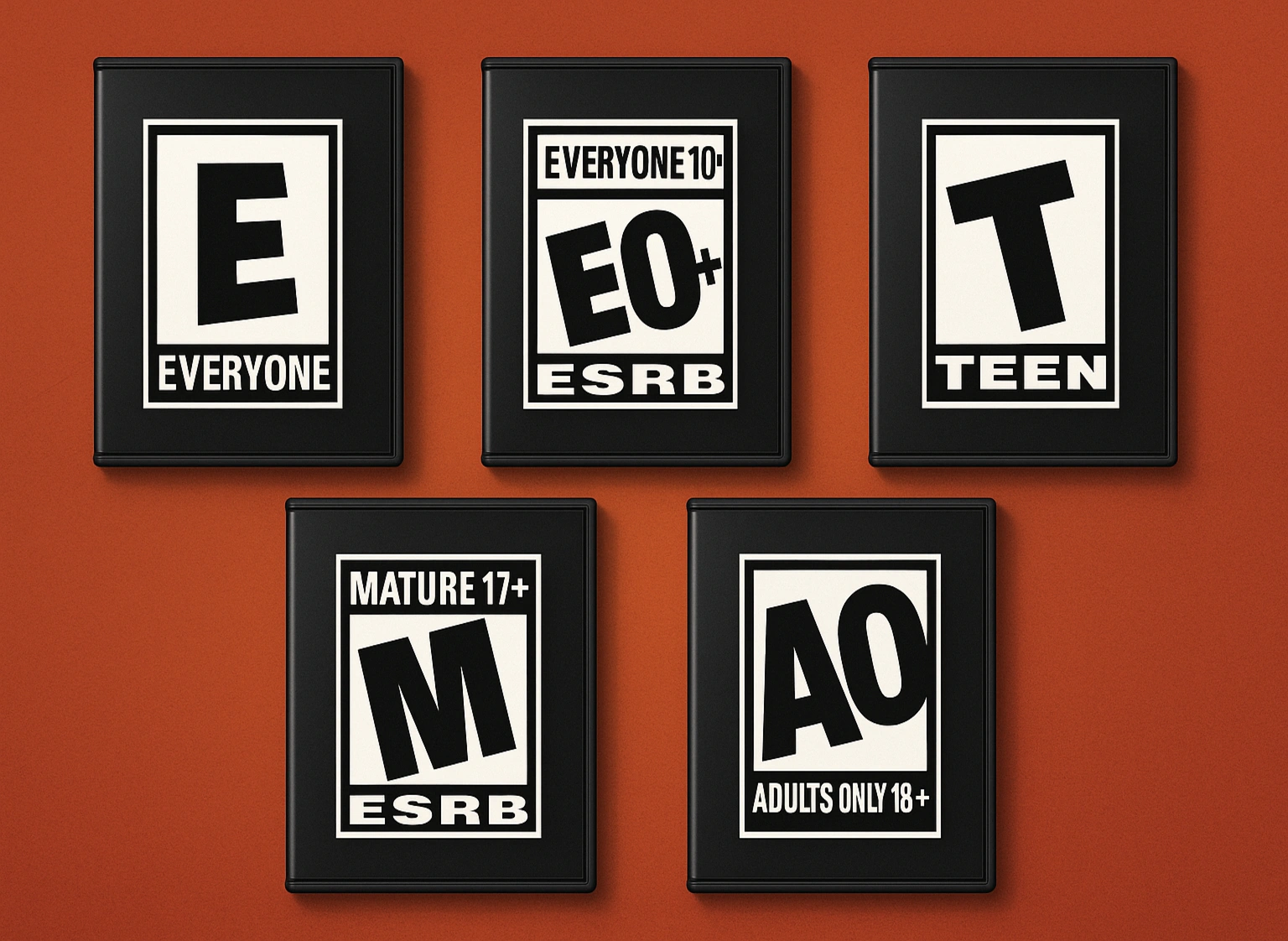
In 1993, the UK classified Night Trap as unsuitable for players under 15. Under growing legal scrutiny, game developers decided to form an organization that would standardize age recommendations across the industry—thus, the ESRB was born.
Today’s ESRB ratings are easily recognizable, featuring familiar symbols that indicate who can safely enjoy each game:
At first glance, the M and AO ratings appear similar. However, the real difference lies in intensity. While M-rated games may include mature themes, AO-rated titles go far beyond—often showcasing graphic sexual acts or unrestricted brutality. Another distinction is accessibility: AO games are rarely found in major retail chains, whereas M-rated ones are easily available even at popular stores like Walmart.
Unsurprisingly, this severely affects AO games’ sales. Additionally, advertising them is nearly impossible since even M-rated games face broadcast restrictions if the audience includes a large number of minors.
Despite these rules, the reality isn’t always so clear-cut. Some retailers still promote violent titles to boost profits, ignoring ESRB guidelines.
Ultimately, it falls to parents to decide what their children play. The ESRB merely provides the framework for making that decision. With fewer than 30 AO-rated titles in existence, they represent only a small corner of the gaming world—but an intriguing one. Let’s explore their unique stories below.
Release date: 1997-12-31
Genre: Adventure
Developer: Black Dragon Productions
This 1997 title stars Playboy model Gillian Bonner in a surreal action-adventure story. Selling around 100,000 copies, it received mixed reviews.
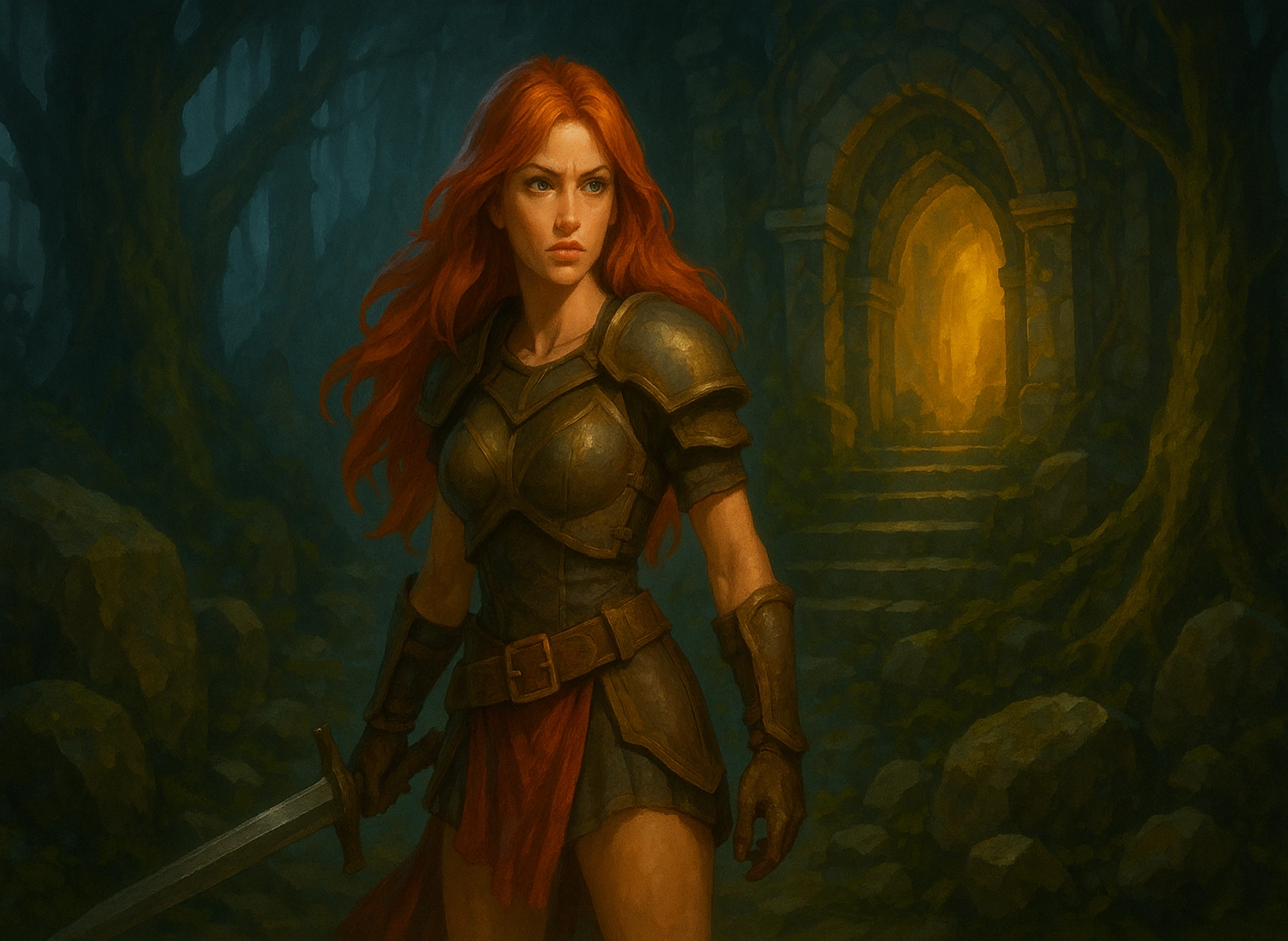
Players take on the role of Riana, a secretary who intervenes during her boss’s assault on a coworker. After being thrown out of a window, she awakens as a powerful warrior in another realm, ready to fight her demons in an epic fantasy world.
Release date: Cancelled
Genre: Fighting
Developer: Midway Studios Los Angeles
This infamous fighting game by Paradox Development never officially released but quickly circulated online through piracy. Thrill Kill is one of the few games rated AO solely for its extreme violence. Set in a hellish arena, nine damned souls—each a brutal murderer—battle in a twisted tournament organized by a bored deity. Fun fact: Activision’s Wu-Tang: Shaolin Style still contains the original Thrill Kill code!
Release date: 2005-06-06
Genre: Action & Shooter
Developer: Rockstar Games
Step into the life of Carl Johnson as he returns to Los Santos, diving deep into the gritty world of crime, drugs, and power. Set in the 1990s, GTA: San Andreas is one of Rockstar’s defining masterpieces.

The controversy came with the “Hot Coffee” mod, initially credited to Patrick Wildenborg. This modification unlocked explicit adult scenes hidden within the game’s original code—prompting outrage from the ESRB, politicians like Hillary Clinton, and concerned parents. As a result, the game temporarily received an AO rating before Rockstar re-released a censored version on Xbox and PlayStation consoles. Nevertheless, the incident cost the studio over $20 million in damages.
Release date: 2004-04-12
Genre: Action
Developer: Volition
Follow the story of Frank Castle—a man seeking revenge for his murdered family—in this brutal Marvel-inspired action game. The Punisher became well-known for its faithful portrayal of the comic’s dark tone and its excessively graphic violence. Though initially rated AO, subsequent edits brought it down to an M rating. Even so, its intensity remains unmistakable.
Release date: 2007-10-29
Genre: Action
Developer: Rockstar Toronto
Rockstar’s Manhunt 2 tells a disturbing story about two men escaping an experimental facility—one a scientist, the other a psychopath. Which one survives?
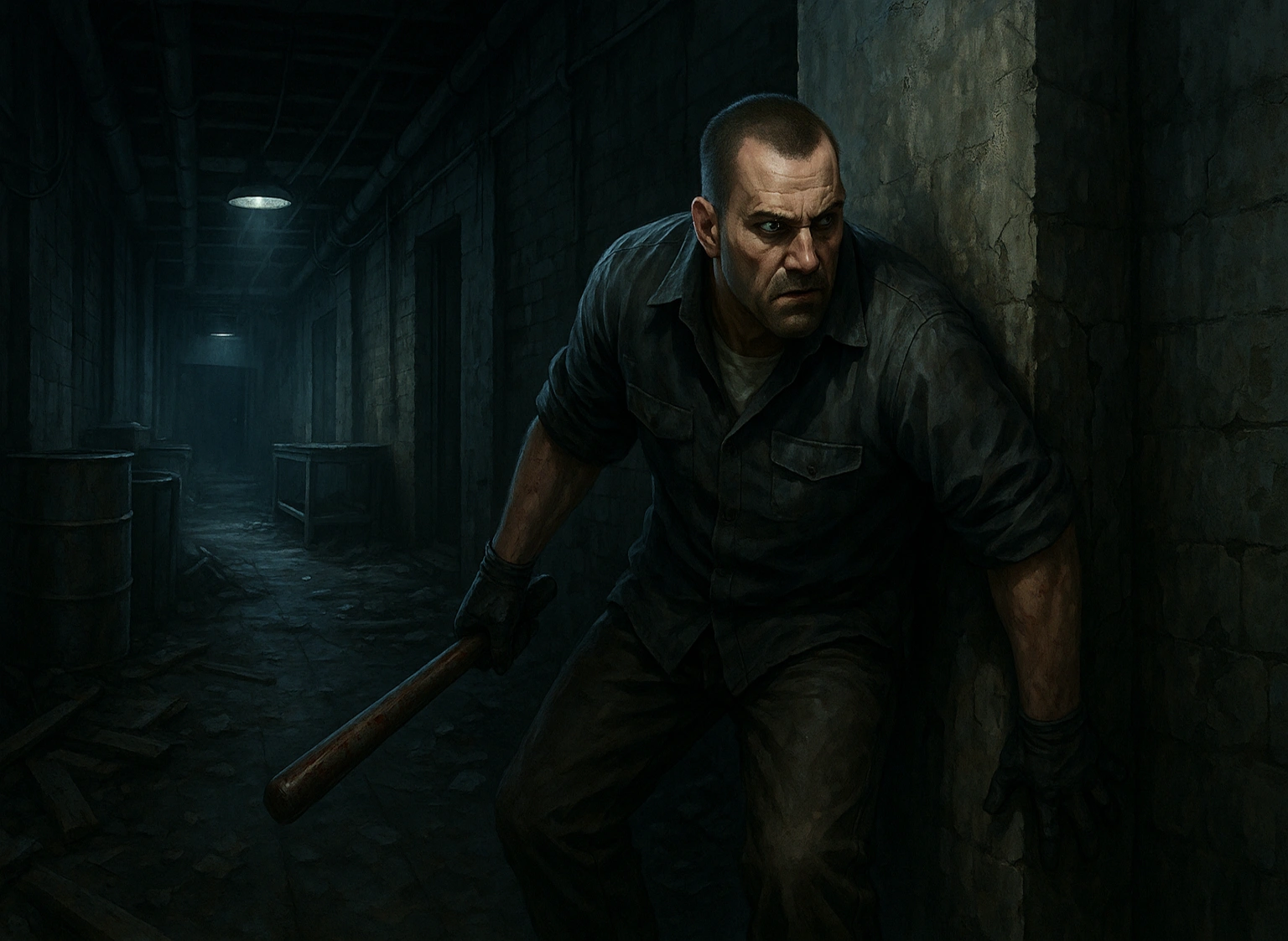
Originally slated for PC and console release, the game’s extreme violence earned it an AO rating and widespread bans. Rockstar later modified the game by censoring executions and removing the “score-for-kills” system. Ironically, this brutal feature was also what players praised most.
Release date: 2015-06-01
Genre: Action & Shooter
Developer: Destructive Creations
Some games are made to shock the world—Hatred is one of them. Unlike most AO-rated titles, this one was deliberately designed to provoke outrage. Developed by Destructive Creations, the game follows a man consumed by hate who goes on a killing spree through his hometown. Unsurprisingly, it joined the rare group of titles rated AO for extreme violence.
Release date: 2018-05-29
Genre: Adventure
Developer: Madmind Studio
Welcome to the depths of Hell. Your mission? Escape, rediscover your identity, and uncover the secrets of the Red Goddess. Created by veterans from The Witcher 3, Sniper: Ghost Warrior 2, and The Division, Agony began as a Kickstarter project targeting $66,666 and quickly surpassed expectations.
Despite its strong start, the game was criticized for repetitive mechanics. It initially received an AO rating but was later adjusted to M following censorship changes. Soon after, the developers released Agony Unrated—an uncut version restoring the original content.
Release date: 2005-09-16
Genre: Adventure
Developer: Quantic Dream
This psychological thriller portrays an alternate New York where ordinary citizens suddenly commit horrifying murders. Drawing inspiration from films like Fight Club and Se7en, Fahrenheit delves deep into mental instability, mystery, and suspense. The North American version, retitled Fahrenheit: Indigo Prophecy to avoid confusion with Fahrenheit 9/11, omitted its sexual scenes, though they remain in the Remastered PC and PS4 editions.
Release date: 2017-04-25
Genre: Adventure
Developer: Red Barrels
Outlast 2 turns the player into prey in a terrifying psychological horror experience. Set in a remote desert community, it follows a journalist searching for his missing wife amid a cult’s apocalyptic prophecy. Initially refused classification in Australia, the game was later approved after edits. Developers also introduced a Story Mode to tone down violence for better narrative immersion, shifting its final rating to M.
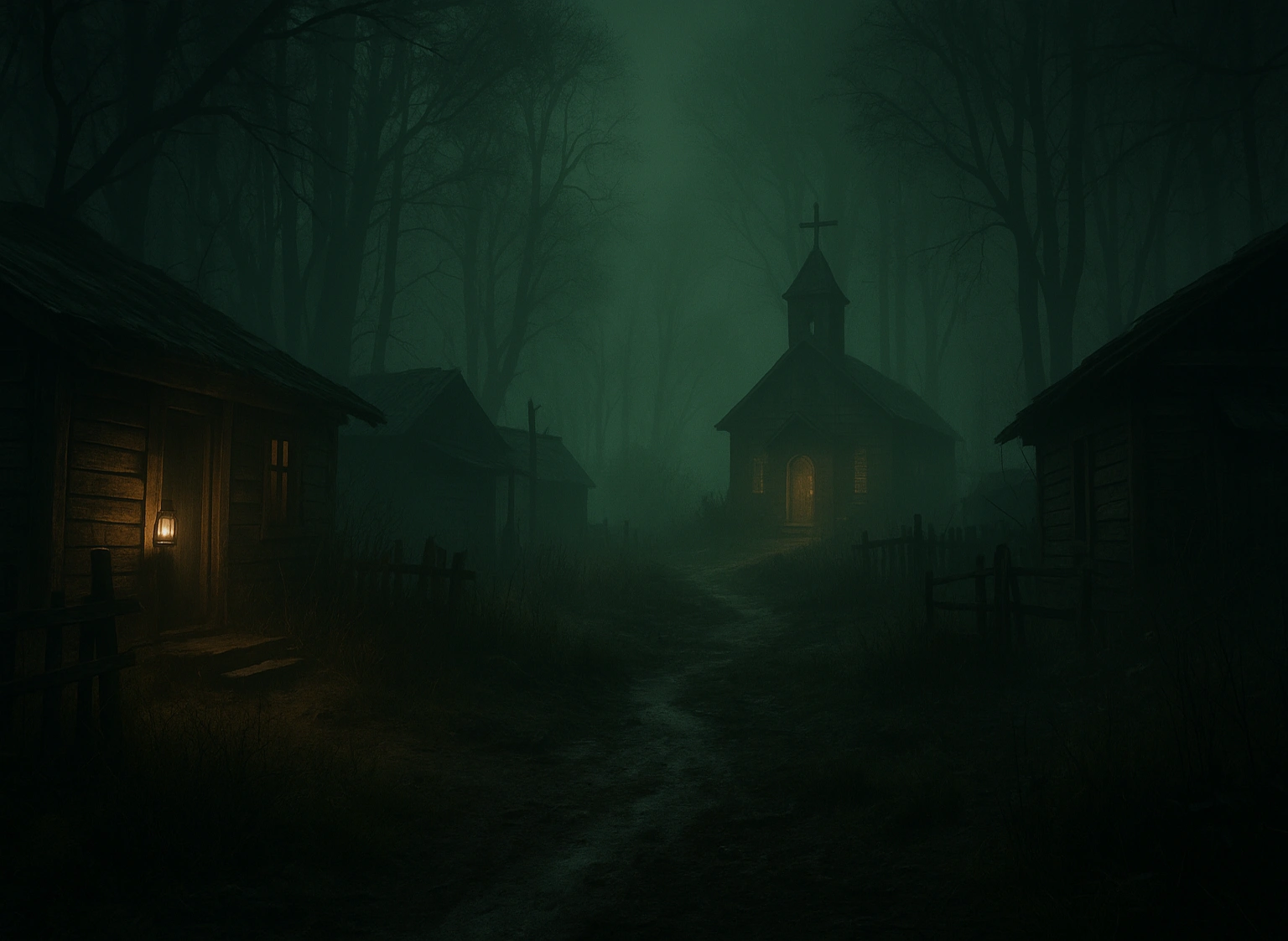
Interestingly, only one major PC platform fully permits uncensored AO-rated games. Console companies, prioritizing family-friendly branding—especially the biggest names in the industry—tend to reject such releases outright. Consequently, developers seeking creative freedom often turn to PC as their primary platform.
However, even this platform doesn’t showcase AO titles by default. They’re hidden from recommendations and require users to manually search for them, ensuring only intentionally interested players find such games.
AO-rated games remain the black sheep of the video game industry. Retailers refuse to sell them, consoles avoid them entirely, and fewer than 30 titles bear the label today.
For most developers, achieving at least an M rating is essential to avoid restrictions—but a few, such as the creators of Hatred, have embraced the AO category as an act of creative defiance. As one designer from Peach Princess once remarked: “We love being in a business where Sony, Microsoft, Nintendo, and Apple’s strict policies don’t affect us — the good old PC software market.”
These developers fully understand their position. Their success depends solely on quality and innovation, thriving as the ever-expanding digital gaming market continues to evolve and recognize their niche value — even if it means being part of the industry’s most taboo corner.