


+15 More

Digital Aura Portal - FZCO
Building A1, Dubai Digital Park, Dubai Silicon Oasis, Dubai, United Arab Emirates Premises Number 72647 - 001
Business registration number: 70647


gamer-choice.com © 2026
Digital Aura Portal - FZCO
Building A1, Dubai Digital Park, Dubai Silicon Oasis, Dubai, United Arab Emirates Premises Number 72647 - 001
Business registration number: 70647
 March 20, 20268 min ReadElsa
Mutations in Grow a Garden increase both crop value and appearance, with some effects pushing profits to 135x or even higher. These upgrades can come from weather, time-based cycles, pets, special events, or pure luck.
Top mutations:
– Gold (20x), Shocked (100x), Void Touched (135x)
How to trigger:
– Rain, lightning, pets, night cycle, dev events
Stacking: Yes, multipliers combine (e.g. 20x × 100x = 2,000x)
Stay online: Mutations don’t occur offline
Best strategy: Use multi-harvest crops, watch weather, place pets, and join events
Mastering mutations = huge profits.
Mutations are one of the most important systems in Grow a Garden, especially if your goal is to earn as many Sheckles as possible. These unique crop effects change the way your plants look and greatly raise the amount of money you get when selling them. Whether you are new to the game or already trying to optimize every harvest, learning how mutations work is essential if you want to progress faster in this popular Roblox experience.
In this guide, I’ll break down what mutations are, how they function, the major types you can find, and the best ways to get them. That includes everything from common mutation effects that show up during rain to extremely rare variants that only appear during limited developer events. Once you understand how they work, you’ll be able to identify the best mutation opportunities and get much more value out of your garden.
Mutations in Grow a Garden are special crop transformations that alter your plants visually while also making them much more valuable. When a crop receives a mutation, it gains a multiplier that increases the number of Sheckles you earn from selling it.
Value boost: A regular tomato might only sell for 10 Sheckles, but if it mutates, that same crop could be worth 20, 100, or even 1,000+ Sheckles depending on which mutation it gets.
Visual changes: Mutated crops are easy to notice because they look different from normal ones. You may see strawberries glowing, apples turning shiny gold, or blueberries giving off colorful rainbow effects.
Most mutations are tied to weather events such as rain or thunderstorms, but others can be caused by certain pets, tools, or simple random chance. In general, the rarer the mutation, the bigger the multiplier and the more profit you can make from that crop.
Here’s a breakdown of the main mutations you can find in Grow a Garden, along with their value multipliers and how to get them:
| Mutation | Multiplier | How to Get | Visual Appearance |
|---|---|---|---|
| Gold | 20x | 1% random chance when growing | Golden color with sparkles |
| Rainbow | 50x | 0.1% random chance when growing | Color-changing with rainbow halo |
| Wet | 2x | During rain or thunderstorms | Water droplets falling from crop |
| Chilled | 2x | During frost weather | Light blue tint with snowflakes |
| Frozen | 10x | When a wet crop is in frost weather | Encased in ice block |
| Shocked | 100x | Lightning strike during thunderstorm | Bright neon glow |
| Moonlit | 2x | During night cycle | Purple glow and aura |
| Bloodlit | 4x | During Blood Moon event | Red glow and mist |
| Celestial | 120x | During Meteor Shower event | Purple/gold sparkles |
The Pollinated mutation gives crops a golden-yellow look with floating pollen particles around them. It comes with a 3x multiplier, which means the affected crop sells for three times its normal value.
You can obtain this mutation during the hourly Bee Swarm event, or by using Bee pets that can pollinate nearby crops. Since Pollinated is relatively common compared to other mutations, it is one of the best early-game ways to increase your income.
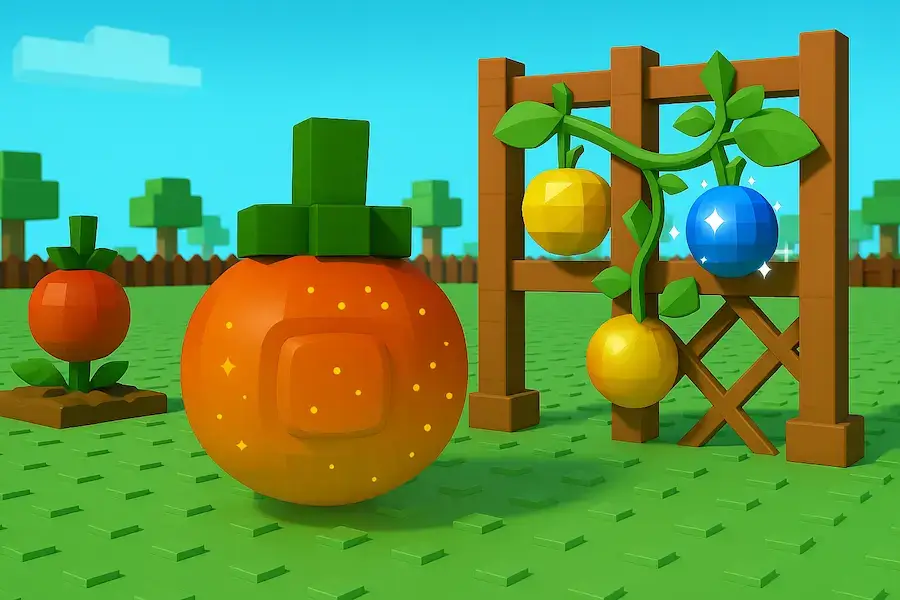
The Zombified mutation changes crops into a pale green, corrupted version with a foggy mist effect surrounding them. It carries a strong 25x multiplier, making these crops especially valuable when sold.
This mutation is applied by the Chicken Zombie pet, which has around a 20% chance to zombify a random crop every 30 minutes. Because that pet came from a limited-time event, getting access to this mutation is much harder now than it was before.

The Moonlit mutation gives crops a soft purple glow that becomes especially noticeable during nighttime. It offers a 2x multiplier, doubling the value of any crop that receives it.
This mutation appears during the night cycle, which takes place every hour in-game. Only a certain number of crops can gain Moonlit during each cycle, so it is not guaranteed across your entire garden. You can improve your chances by using the Night Staff item from the Lunar Glow questline.

The Plasma mutation surrounds crops with a bright electric pink-and-purple energy effect. It provides a 5x multiplier, giving you a respectable increase in crop value.
This rare mutation only shows up during the Laser Storm event, which is usually started by developers or admins. When the event is active, beams of light fire down from the sky and can strike your crops, giving them the Plasma mutation.

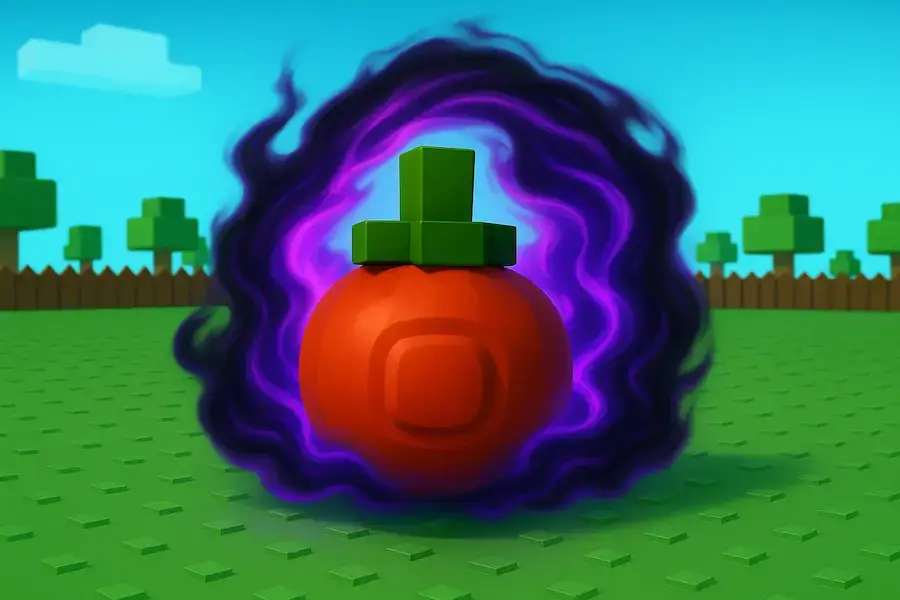
The Void Touched mutation wraps crops in a swirling purple-black vortex effect. With an enormous 135x multiplier, it stands out as one of the most profitable and desirable mutations in the entire game.
This extremely rare mutation can only happen during the Black Hole event, another developer-triggered occurrence. During the event, a giant black hole appears above the area, and any crops caught in the effect may become Void Touched.
Mutations in Grow a Garden can happen through several different systems. Knowing what causes them is the best way to improve your odds and make better decisions while farming.
Yes, mutations can stack in Grow a Garden. This means one crop can hold more than one mutation at the same time, which multiplies its value even more and can lead to massive profits.
Example: Gold (20x) + Shocked (100x) = 2,000x multiplier → a crop worth 10 Sheckles would become worth 20,000 Sheckles.
Exceptions: Some mutations cannot be active together:
The highest possible stacking values can go beyond 50,000x for standard crops and even higher for certain special ones like Sunflowers, especially when rare effects such as Dawnbound (150x) are involved.
No, mutations do not happen while you are offline in Grow a Garden. Your crops may continue growing, but the triggers that cause mutations only function when you are actively in the game.
That means you need to stay online during important windows like thunderstorms, night cycles, or developer-triggered events if you want the best chance at getting valuable mutations. Time spent offline means missing potential profit opportunities.
Every mutation in Grow a Garden has its own distinct visual style. You can also hover over a crop to check its tooltip and see mutation information directly.
Visual indicators:
Color changes
Particle effects
Auras or halos
Physical changes in crop model
Tips to maximize mutations:
Plant lots of crops
Use sprinklers
Stay online during weather
Use pets strategically
Join special events
To get the most out of your garden, focus on pairing high-value crops such as Dragon Fruit with top-tier mutations like Shocked or Celestial. The stronger the base crop and the better the mutation combination, the bigger your payout will be.
Keep an eye on the weather, make use of tools like Lightning Rods, and trade for useful seeds or valuable crops through the Gamer Choice marketplace so you can scale faster. Some mutation types are tied to specific seasons or events, so missing them can set you back. The more mutation types you collect and stack, the better your chances of building crops worth huge amounts of Sheckles.
Grow as many crops as you can at the same time, since each plant has its own independent 1% chance to turn Gold. Increasing your total crop count directly improves your overall odds. You can also use pets like the Dragonfly, which occasionally apply the Gold mutation to random crops in your garden.
Weather events are typically signaled by on-screen notifications along with noticeable environmental changes. You might see rain falling, snow effects, or shifts in lighting and sky color, which often indicate that a mutation-triggering event is currently active.
No, mutations do not influence how fast crops grow or how often they can be harvested. They only change the crop’s appearance and increase its selling value.