


+15 More

Digital Aura Portal - FZCO
Building A1, Dubai Digital Park, Dubai Silicon Oasis, Dubai, United Arab Emirates Premises Number 72647 - 001
Business registration number: 70647


gamer-choice.com © 2026
Digital Aura Portal - FZCO
Building A1, Dubai Digital Park, Dubai Silicon Oasis, Dubai, United Arab Emirates Premises Number 72647 - 001
Business registration number: 70647
 August 21, 20256 min ReadElsa
There is no storyteller on Earth quite like Junji Ito. Since making his professional manga debut in 1987, he has terrified readers with his grim tales and unforgettable, nightmarish creations. This brilliantly talented mangaka has rightfully become one of the most renowned horror authors of his era. The reason is clear: Junji Ito’s exquisitely detailed illustrations hide chilling secrets, and every tale he spins lingers in the mind, haunting and horrifying in a way only he can achieve.
Narrowing down Junji Ito’s vast body of work to just 13 of his most disturbing pieces was no easy task. While many of his most frightening short stories are available to read online as scans, they’re also collected in physical editions. Some collections, like Tomie and Uzumaki, follow an ongoing narrative, whereas others such as Shiver and Smashed gather together standalone tales grouped by theme.
From haunting ghost tales, tragic gothic horror, and grotesque modern fables, here are 13 of the most terrifying works from one of manga’s masters of horror, Junji Ito.
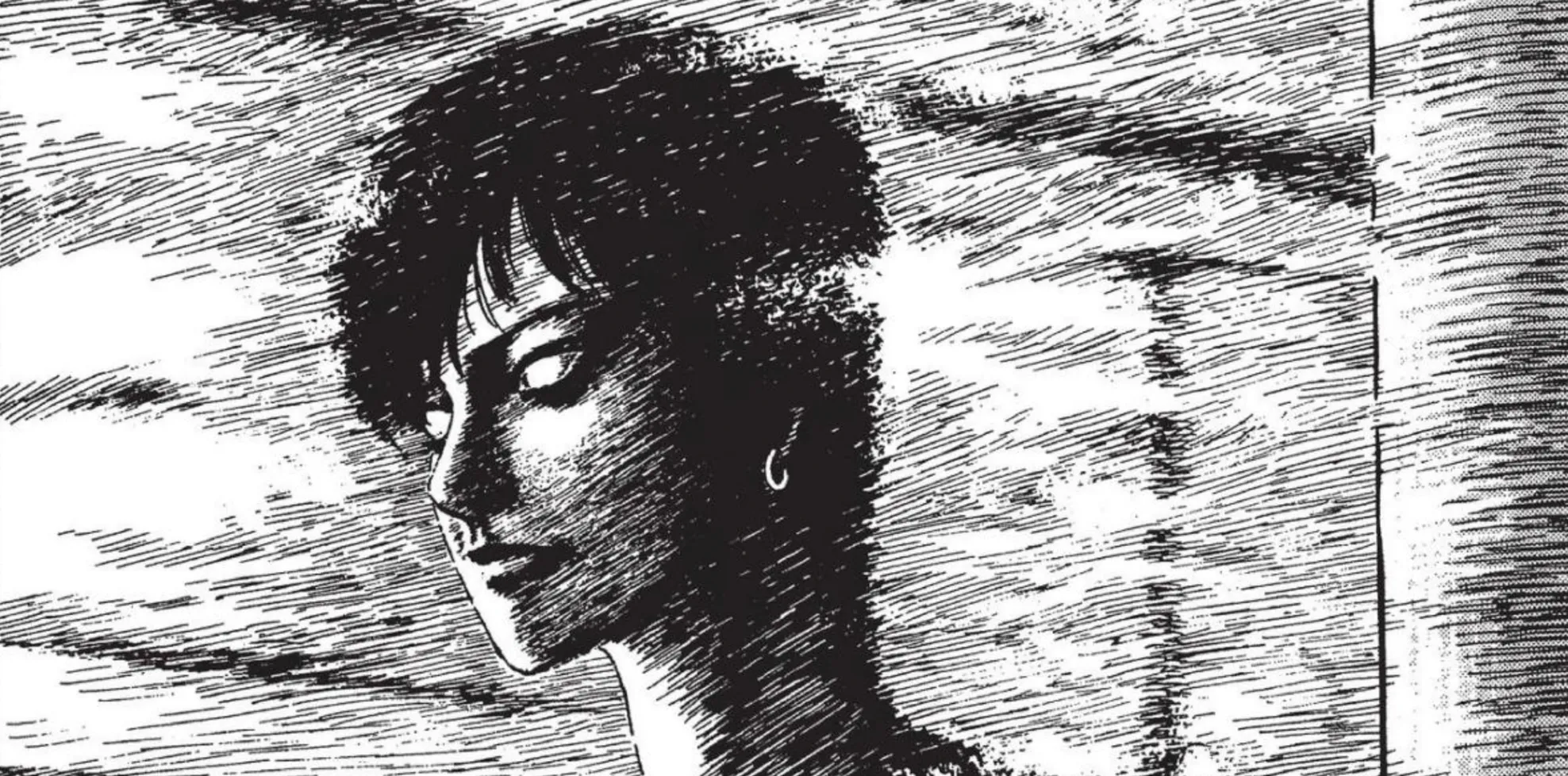
Junji Ito often explores love as a curse, and this first entry in his Lovesickness collection is a perfect example. The story introduces Ryusuke, a teenage boy moving back to his hometown, though the thought of returning fills him with dread. Soon, his homecoming coincides with a troubling trend—schoolgirls seeking "crossroads fortunes" start turning up dead. Who is responsible, and how does Ryusuke’s past tie into these tragedies? This chilling mystery sets the tone for the collection and introduces one of Ito’s most haunting figures.
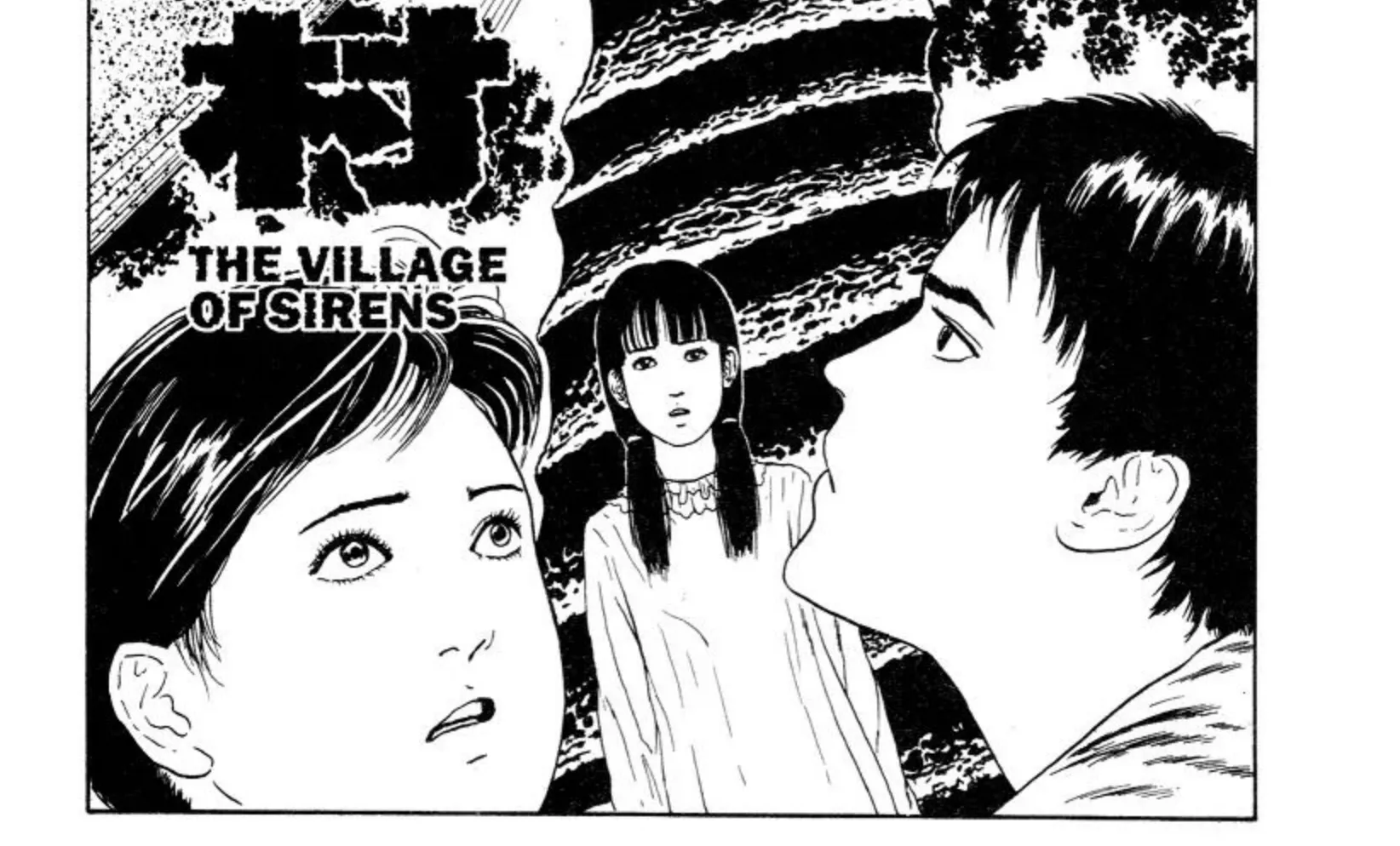
Here, Junji Ito channels folk horror in another unsettling homecoming story. After a strange call from his parents and a ghostly vision outside his window, Kyochi returns home. But when he arrives, his once-bustling village has become a desolate ghost town. The townspeople now center their lives around a bizarre factory, and every night eerie sirens echo across the land. With its cult-like rituals and staggering death toll—including victims rarely portrayed in horror—this tale exemplifies Ito’s ability to twist cultural taboos into something horrifying.
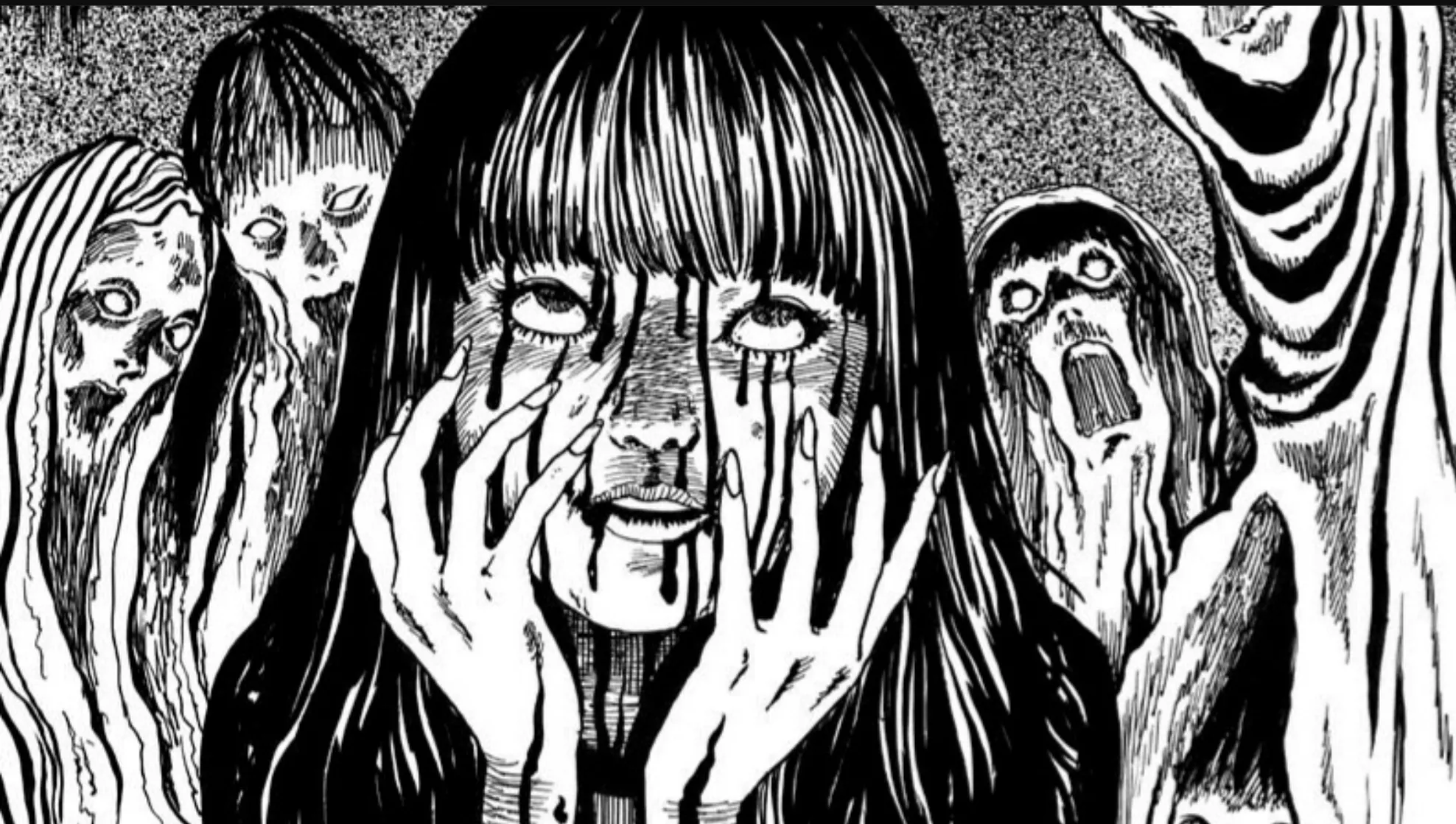
When Shigeru encounters a bloodied woman wandering the roadside, he offers her help. Their meeting soon turns into a secret affair, despite Shigeru’s marriage and the impending birth of his child. Obsessed by her beauty, he overlooks the disturbing reality: she often appears injured and speaks cryptically of “loving his ghosts.” What she truly desires is far darker than he could ever imagine, and by the time Shigeru realizes, it’s already too late.
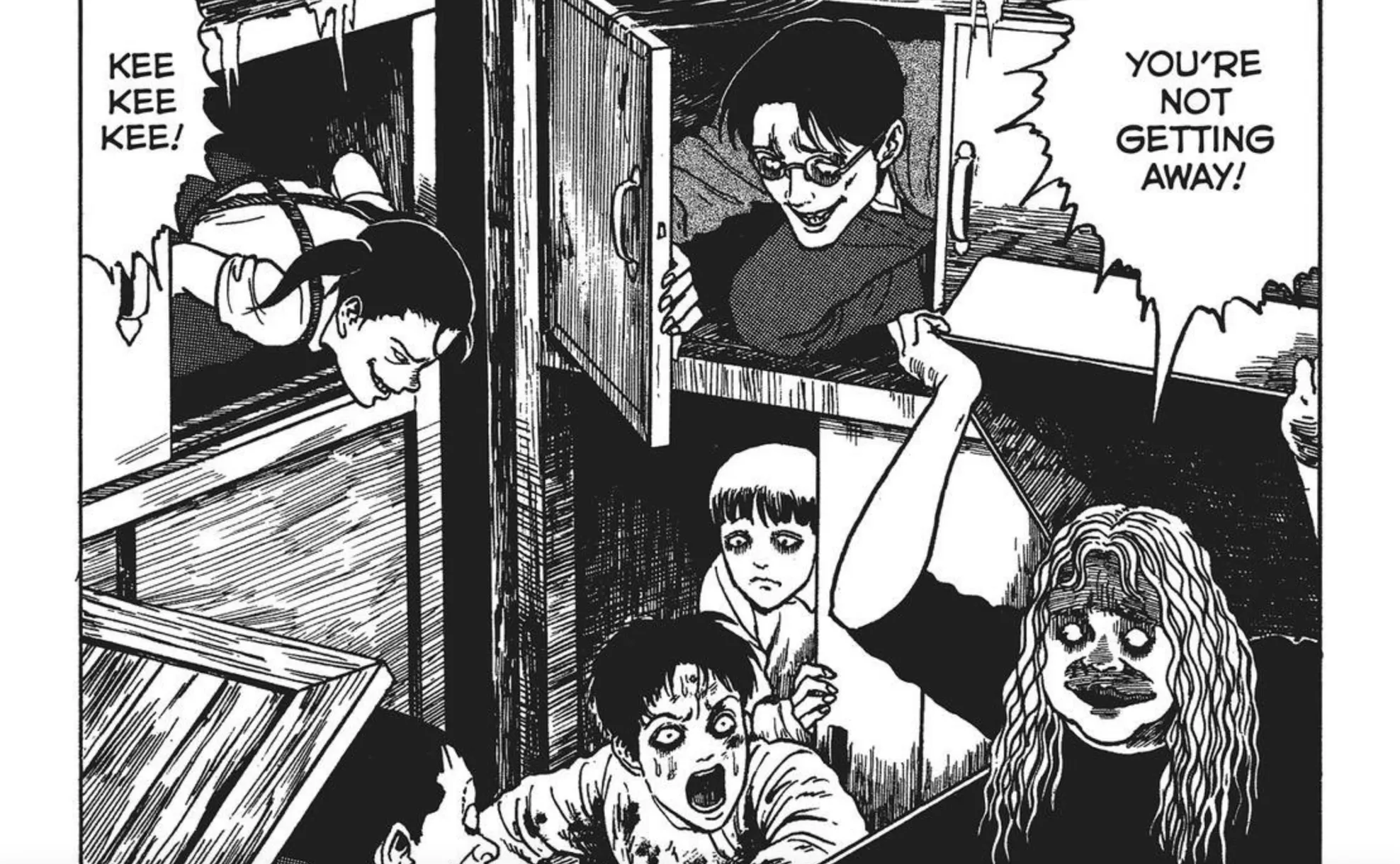
This story showcases Junji Ito’s dark humor. Following a dysfunctional group of siblings who delight in tormenting one another—and anyone unfortunate enough to cross their path—these tales from Lovesickness balance grim humor with sinister consequences. Hapless as they may be, the Hikizuri siblings are still deadly. You’d never want to be a guest at their dinner table.
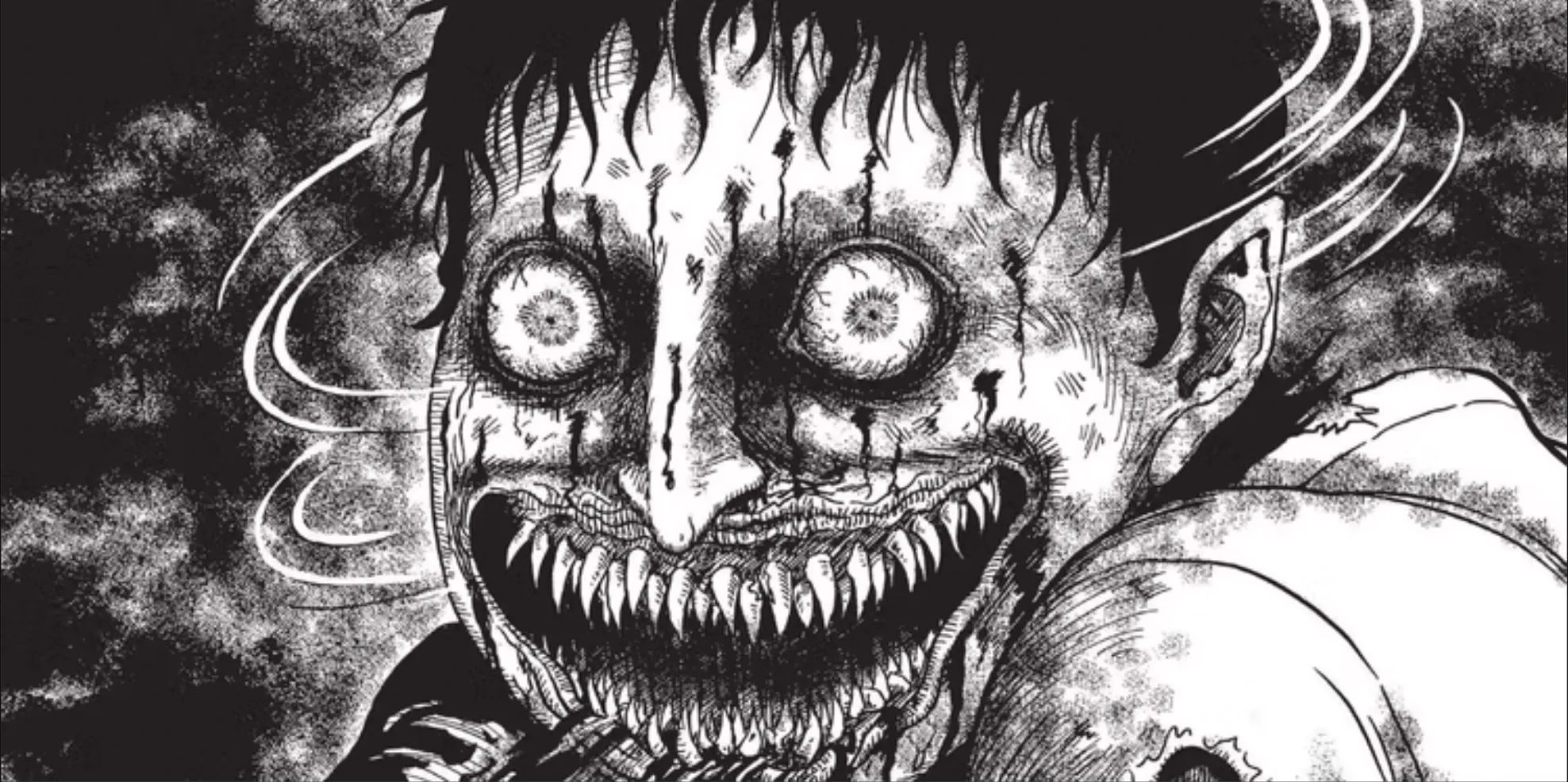
A traveling haunted house stirs chaos when locals go from mocking it to fearing it. Two boys sneak in without paying, only to discover a true house of horrors where victims claim to be the owner’s family. This unsettling tale features the infamous Souichi Tsujii, a recurring schemer in Ito’s works. While there’s humor in Souichi’s antics, the crimes he commits are anything but funny. It’s a twisted ride that fans of haunted attractions will especially appreciate.
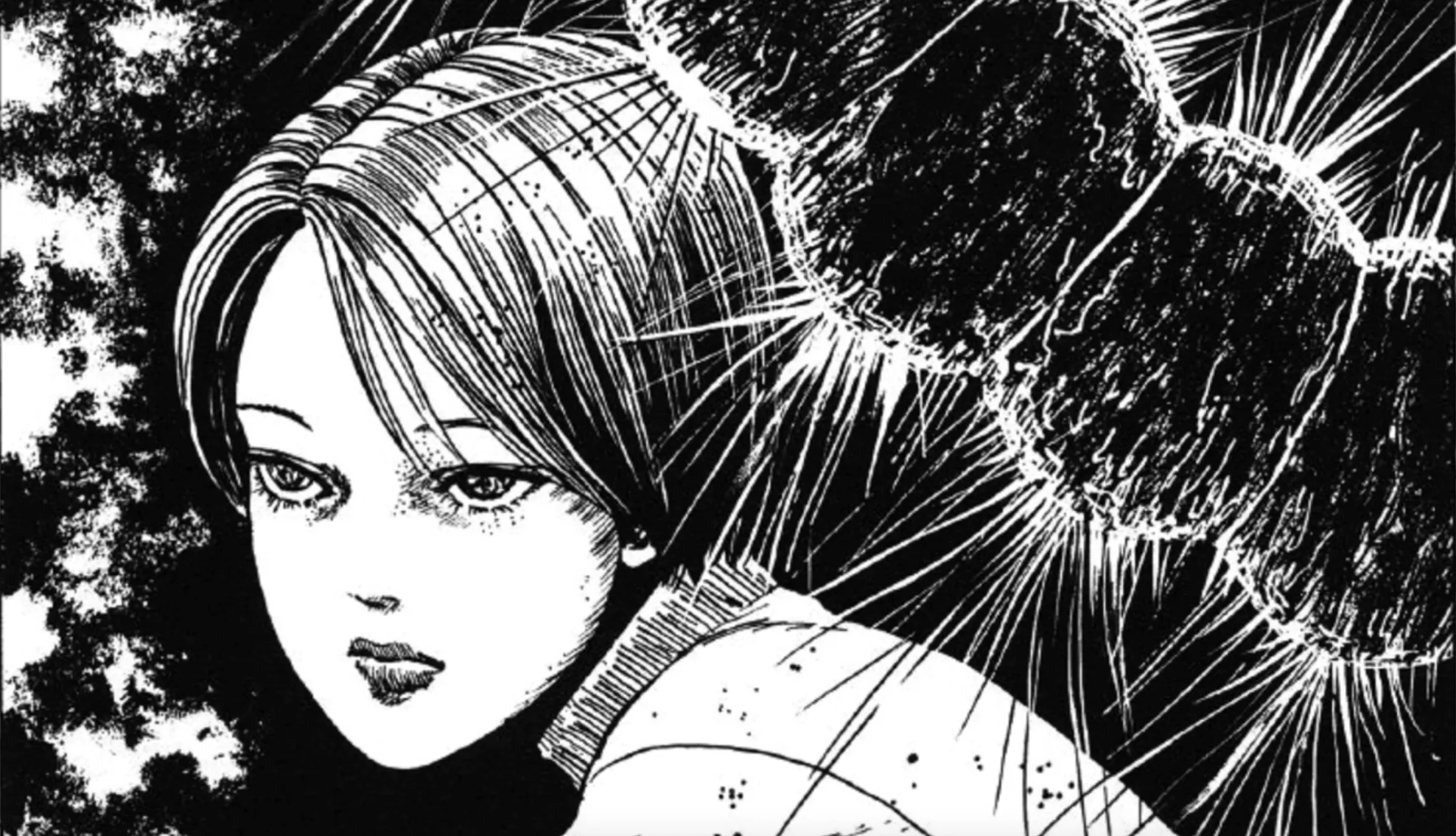
Family plays a central role in many of Junji Ito’s stories, and Honored Ancestors may be one of the most grotesquely surreal. Risa suffers from amnesia after extreme emotional trauma, only to be plagued by visions of a giant caterpillar. Her friend Makata claims he’s caring for her, but the truth lies in his family’s horrifying traditions. When revealed, they epitomize Ito’s ability to turn the familiar into something deranged and unforgettable.
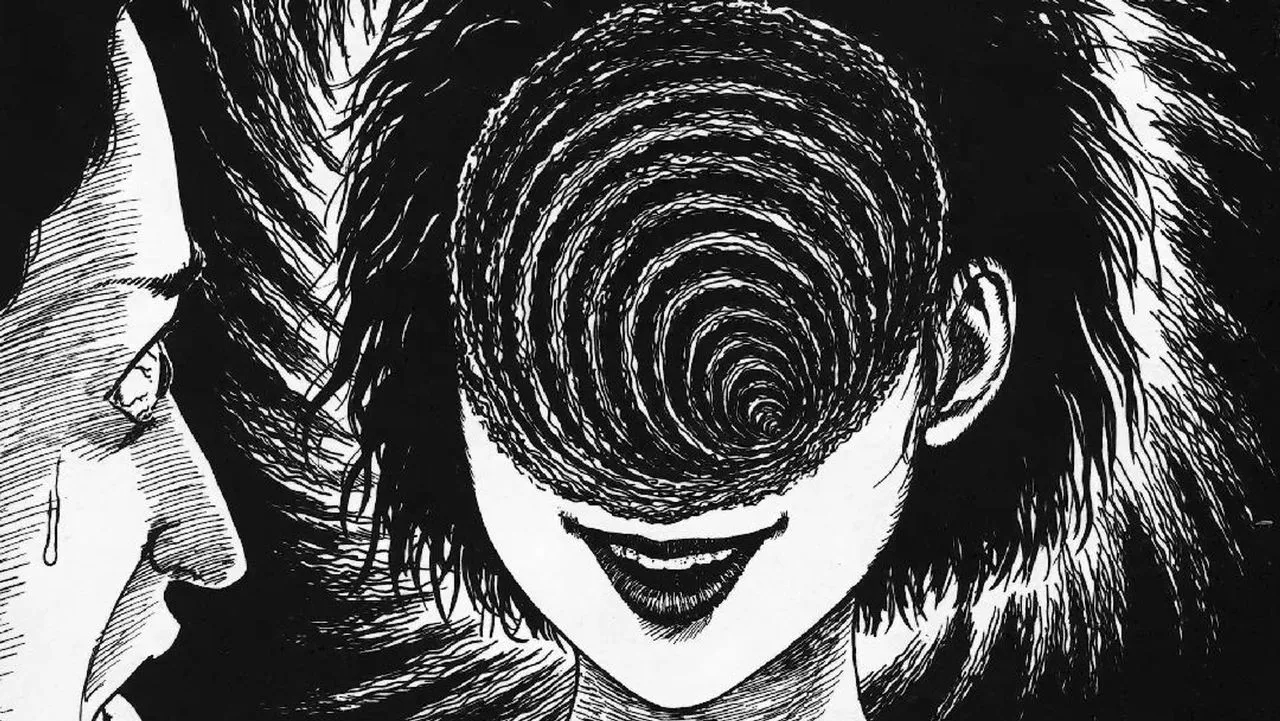
Perhaps the most famous of all Junji Ito’s works, Uzumaki is a cornerstone of horror manga. Centering on Kurouzu-cho, a small town cursed not by spirits but by spirals, this story transforms an ordinary shape into a source of terror. Themes of obsession, paranoia, and the grotesque are masterfully interwoven. The cultural impact of Uzumaki is massive, spawning films, video games, and even an anime adaptation in progress. Unfortunately, the most recent Uzumaki TV version was poorly received, scoring low in Gamer Choice’s review.
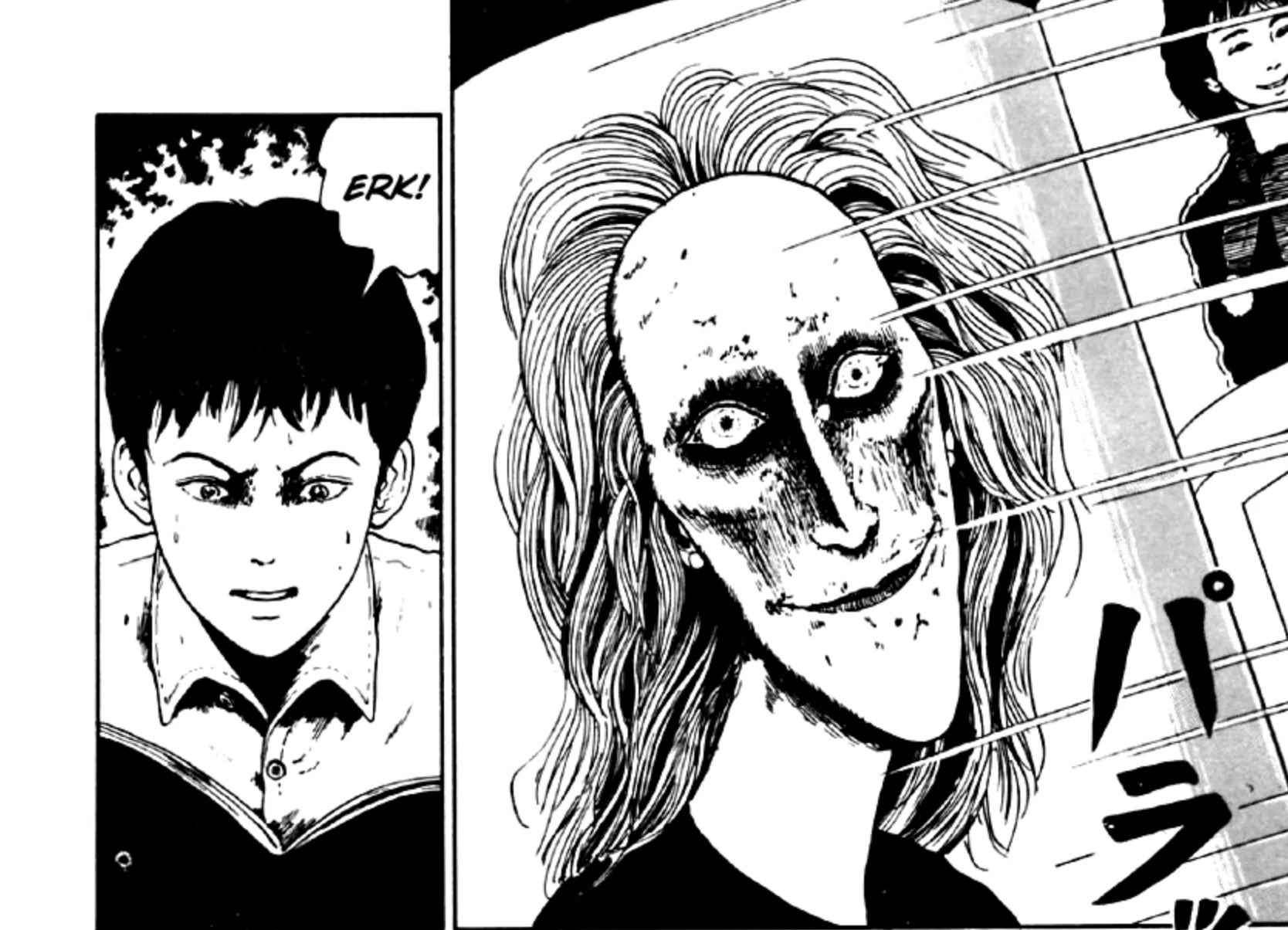
Unlike many of Ito’s slow-building horrors, Fashion Model introduces its monster early on. A young man becomes obsessed with a bizarre-looking model with sharp, monstrous teeth. Later, when he and his friends recruit actors for a student film, she reappears in his life—with brutal consequences. This tale’s mix of obsession, fear, and physical monstrosity makes it a standout in both Ito’s catalog and horror at large.
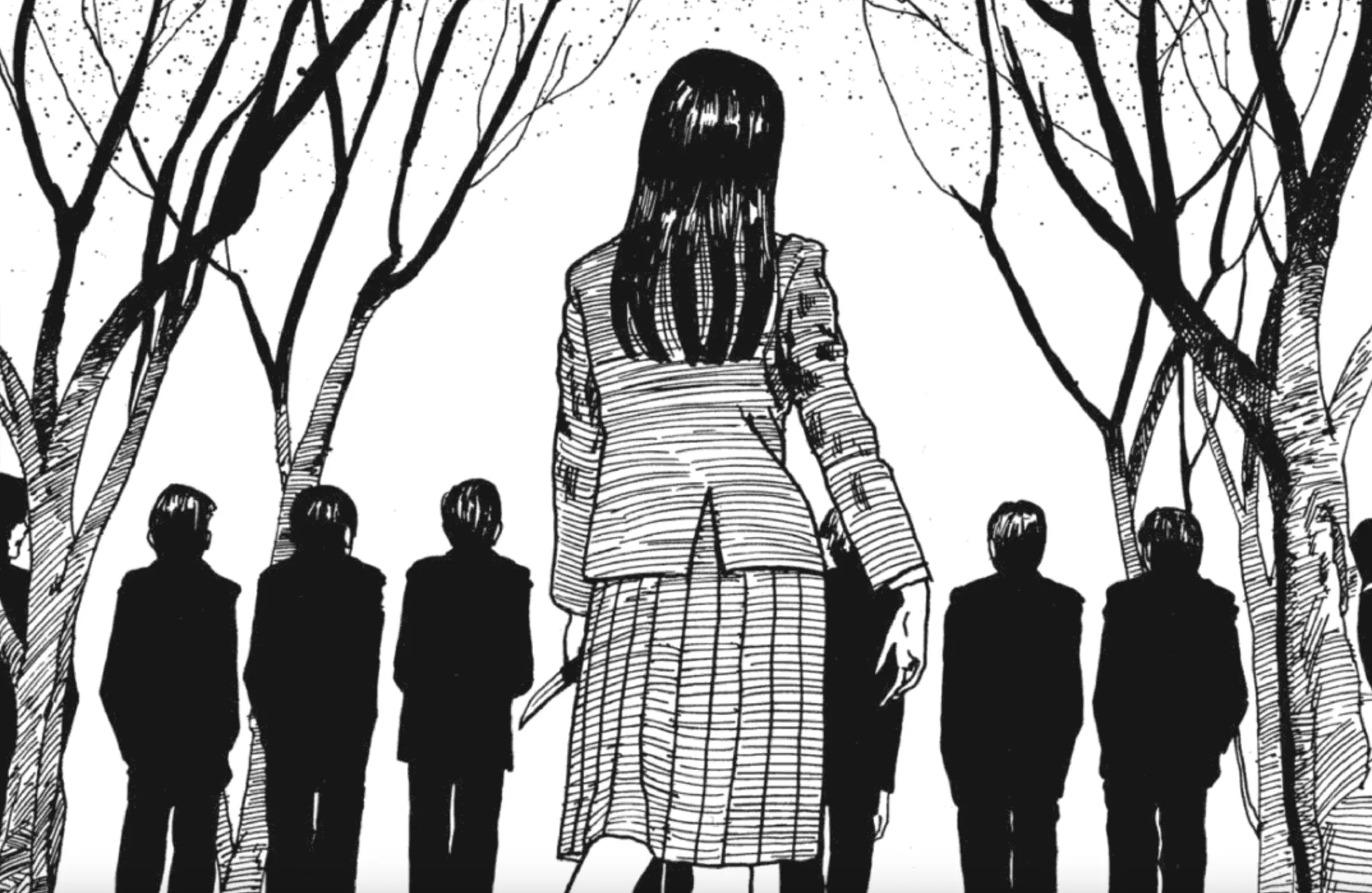
One of Junji Ito’s most iconic creations, Tomie is an immortal beauty who drives people to madness. First murdered by her classmates, she reappears the next day—and continues to do so in countless stories. Collected in volumes spanning years, Tomie’s tales are each darker than the last. Her ever-shifting true visage is the stuff of nightmares. Beyond the page, Tomie has become a pop culture icon, seen on tattoos, stickers, and clothing worldwide.
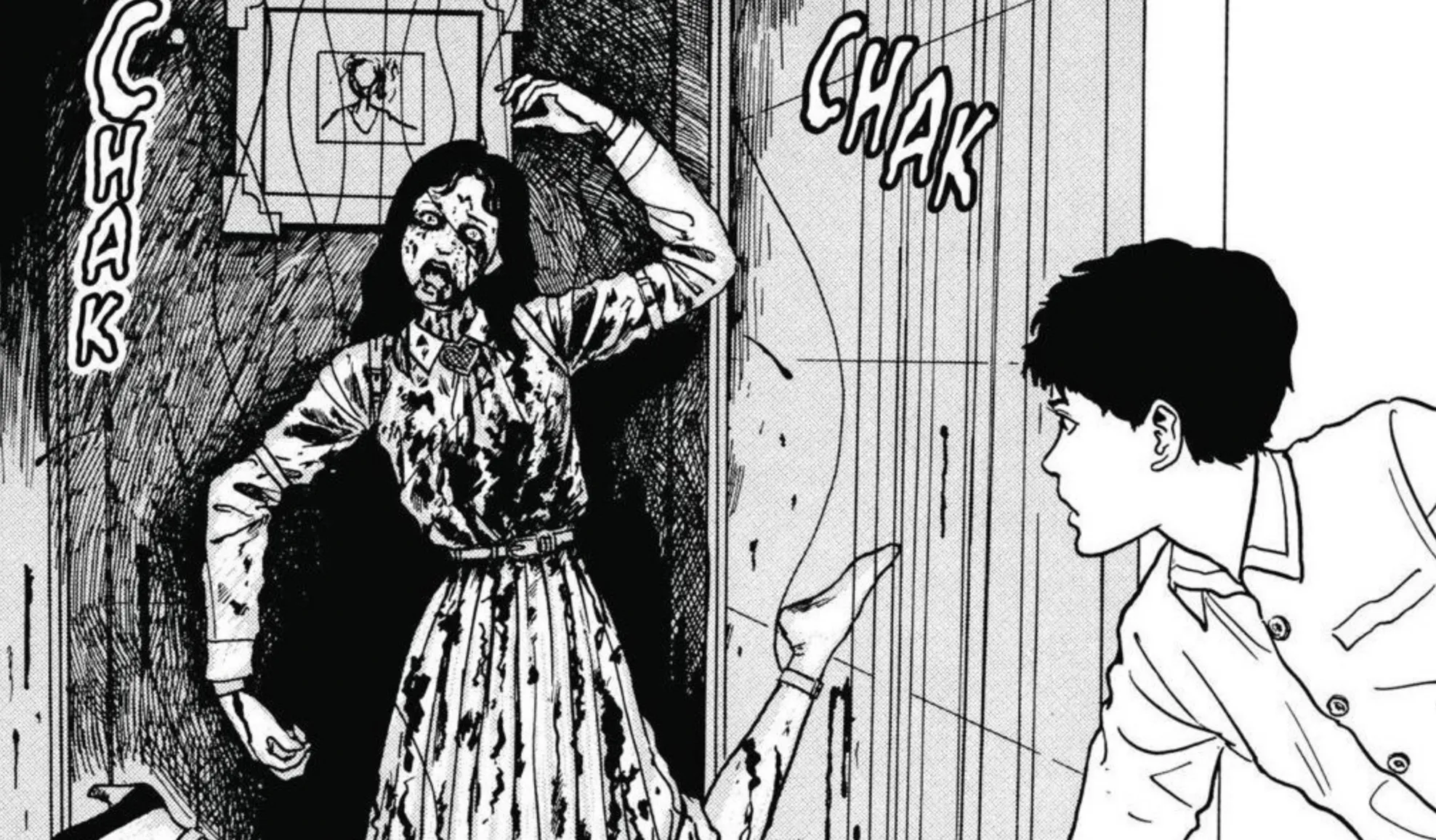
Puppets already occupy a creepy corner of horror, and Junji Ito amplifies that fear in this disturbing tale. Kinuko befriends Haruhiko, whose family is obsessed with marionettes. Years later, after reconnecting and marrying, Kinuko accompanies him back to his family home—only to uncover a ghastly secret involving the puppets. Classical in tone yet shocking in execution, this is a story that plays on timeless fears while still delivering surprising horror.
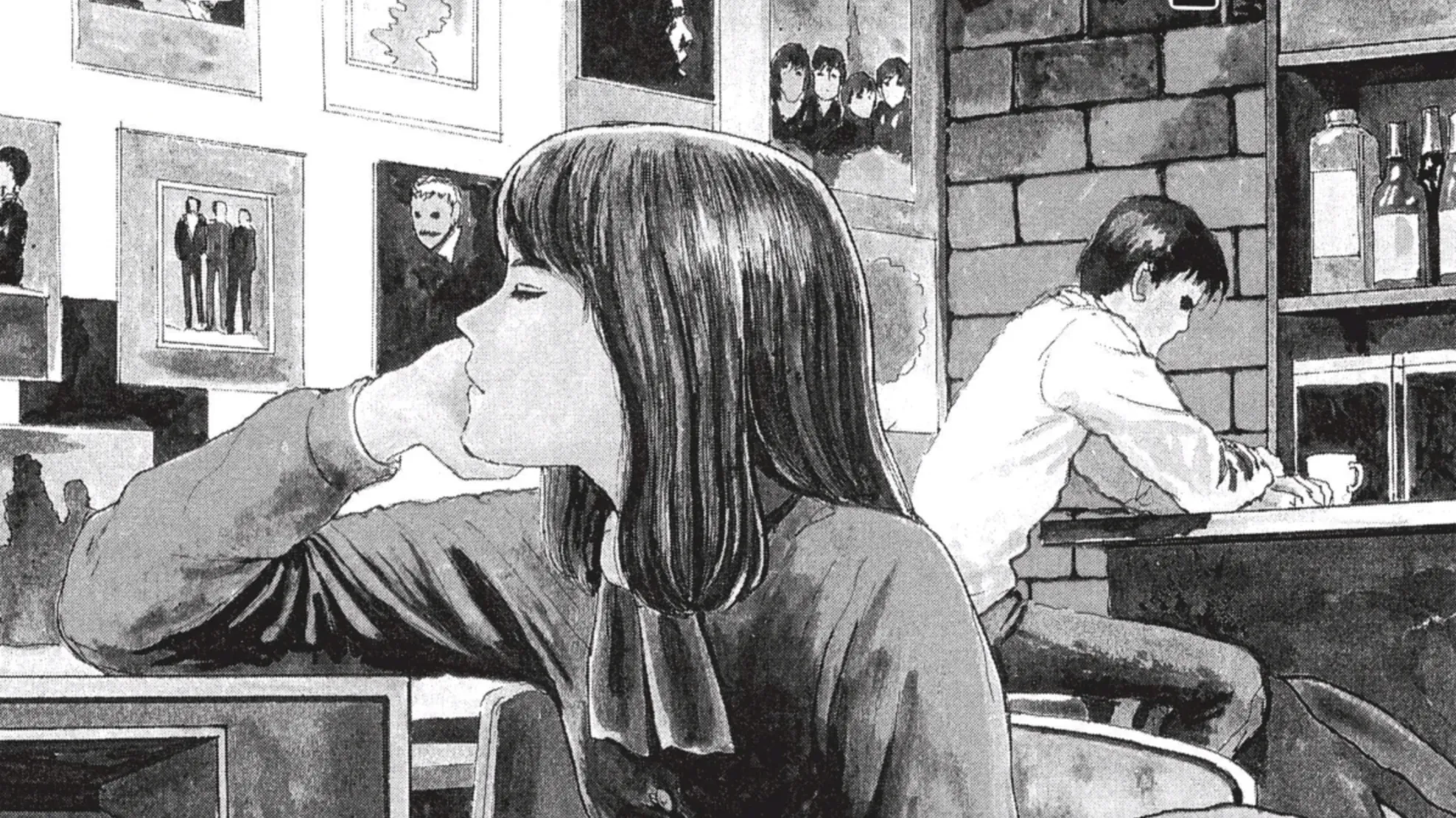
Few stories capture obsession like Used Record. When Ogawa purchases a mysterious vinyl, she becomes addicted to its hypnotic song. Her friend Nakayama soon shares the obsession, but with only one copy of the record, tragedy feels inevitable. What makes this tale so powerful is its relatability—many know the feeling of a song stuck in their head. Ito transforms that universal experience into something horrifyingly supernatural.
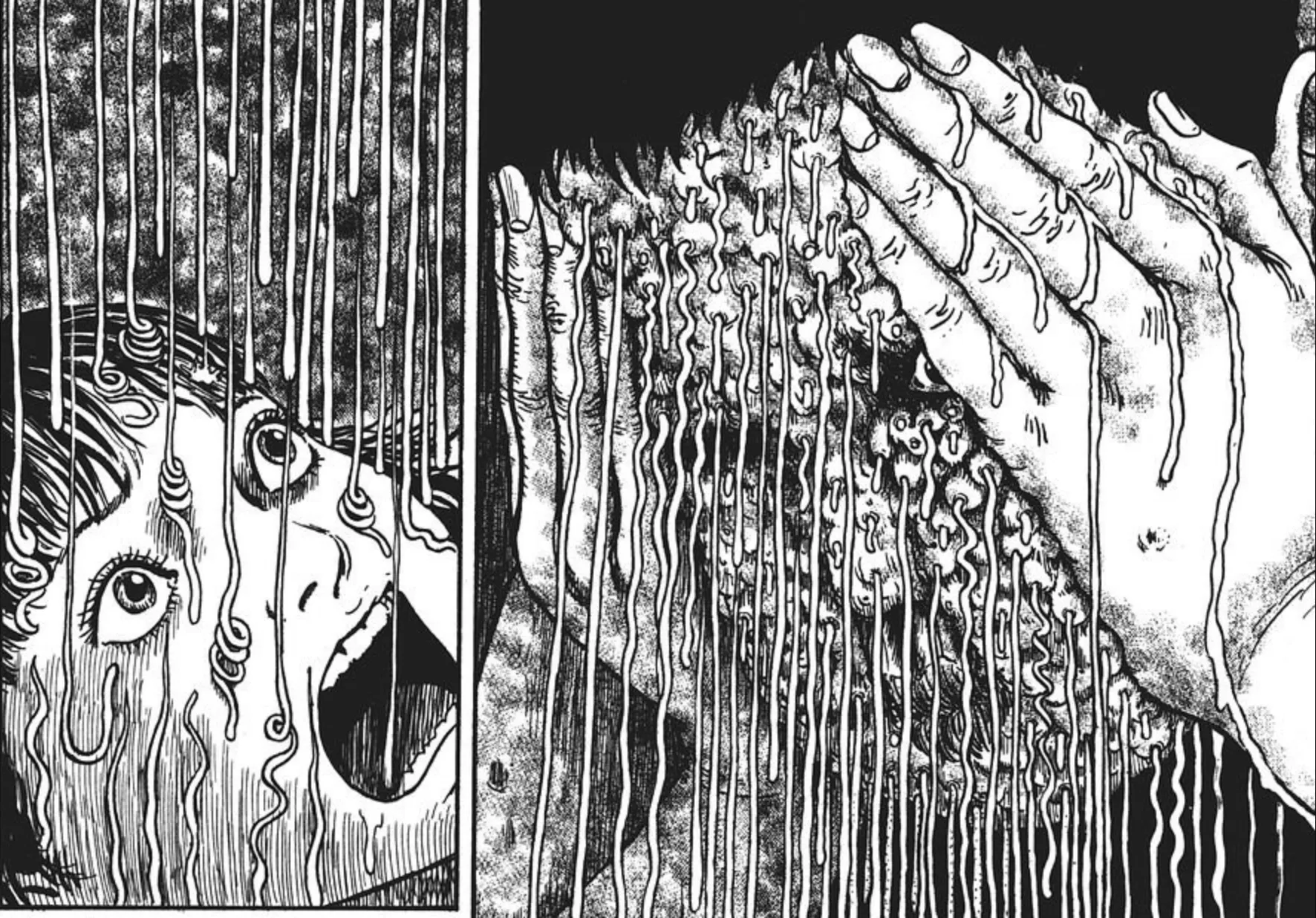
Set above a family-run barbecue restaurant near Mount Fuji, this story is among Junji Ito’s most revolting. Yui despises the grease coating their home, but her violent brother Goro embraces it—drinking cooking oil straight from the bottle until his body erupts with grotesque pustules. The mix of body horror and domestic violence makes this tale one of Ito’s most stomach-churning. It’s a story that unsettles so deeply you’ll think twice before eating again.
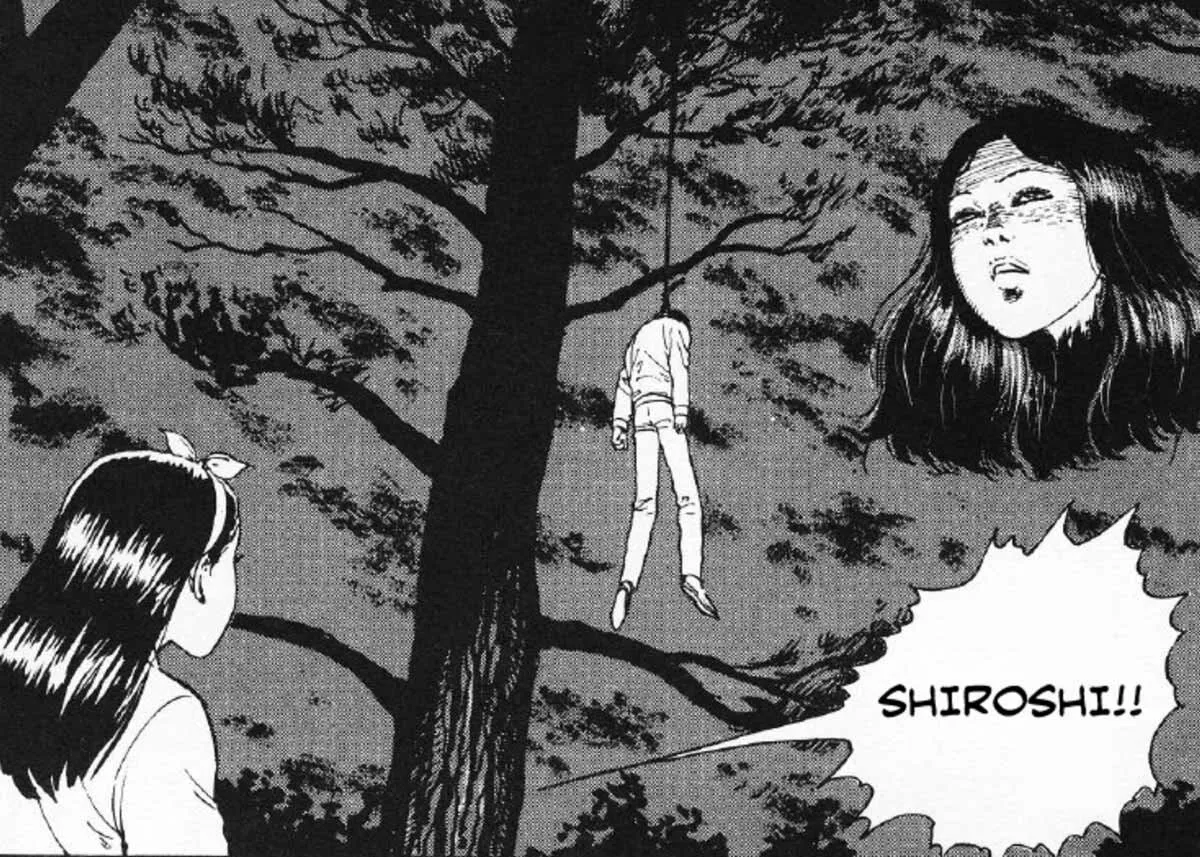
What makes The Hanging Balloons the most terrifying of all? Its sheer absurdity, coupled with suffocating dread. After the suicide of a young celebrity sparks copycats, massive balloons resembling people’s heads appear in the sky. Dangling beneath each is a noose. If the balloon finds its human counterpart, it hangs them. The surreal nightmare imagery—inescapable and oppressive—cements this as perhaps Ito’s scariest creation.
For those eager for more of Junji Ito’s haunting work, new collections continue to arrive. The latest release is The Liminal Zone, Volume 2, published in March. Coming soon is The Moan: Junji Ito Story Collection, scheduled for October. This volume features six new stories, including a tale of a mysterious pipe emitting ghostly moans and another of flowers blooming in the shape of eyes around a strange transfer student. As always with Ito, these new works promise both terror and wonder.