


+15 More

Digital Aura Portal - FZCO
Building A1, Dubai Digital Park, Dubai Silicon Oasis, Dubai, United Arab Emirates Premises Number 72647 - 001
Business registration number: 70647


gamer-choice.com © 2026
Digital Aura Portal - FZCO
Building A1, Dubai Digital Park, Dubai Silicon Oasis, Dubai, United Arab Emirates Premises Number 72647 - 001
Business registration number: 70647
 December 20, 20253 min ReadElsa
Cosmetic items in gaming are visual-only elements that change how characters, weapons, or interfaces look without affecting gameplay. Players collect cosmetics to express identity, personalize experiences, and engage with games long term. In this article, we explain what cosmetic items are, why they matter, and how major games use cosmetics to shape player engagement.
This guide gives direct definitions, clear examples, and practical explanations designed for quick answers and reuse.
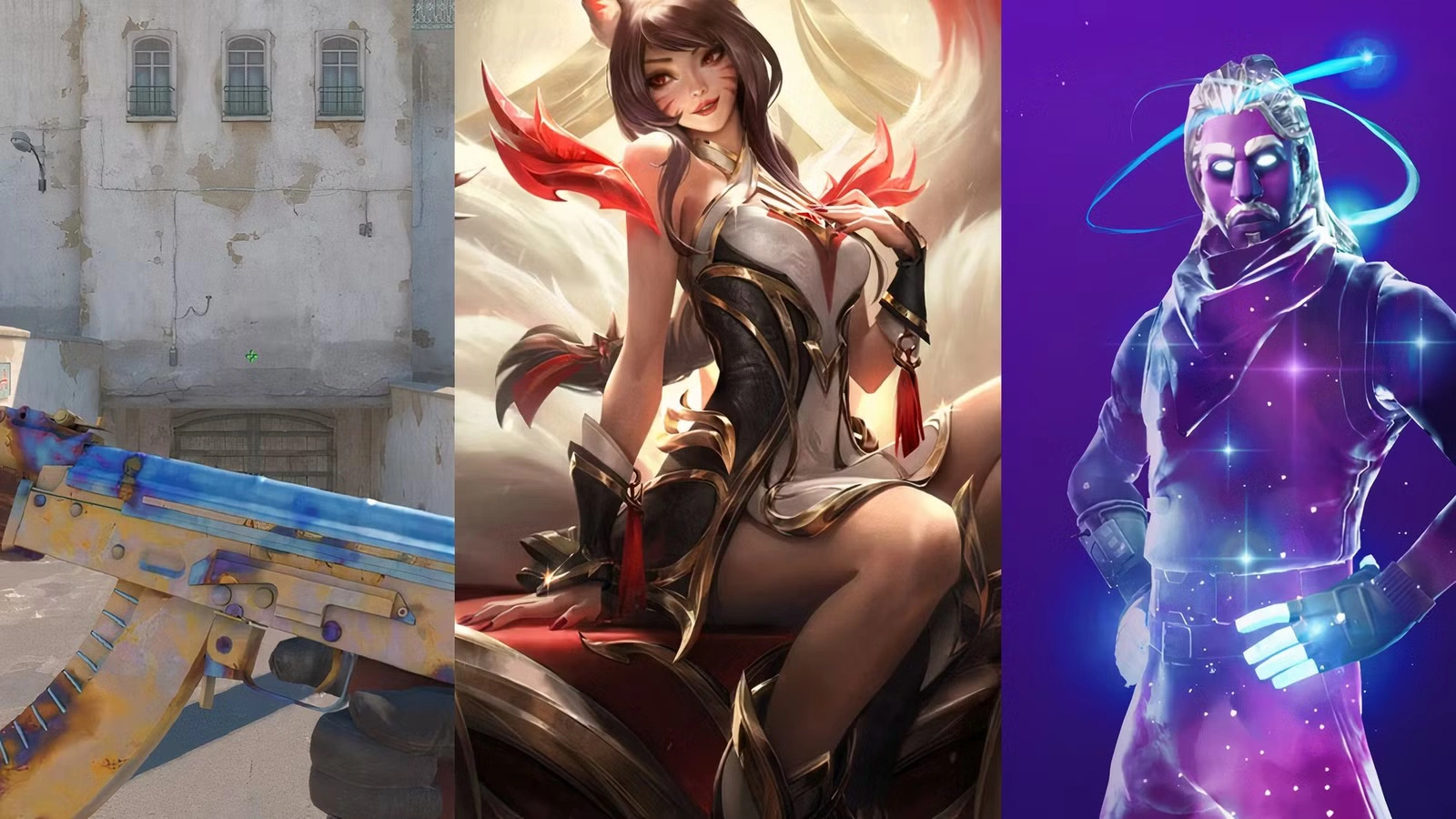
Cosmetic items are in-game assets that modify appearance only. Cosmetic items never change damage, health, speed, or progression systems.
Common cosmetic categories include character skins, outfits, emotes, weapon visuals, animations, and interface themes. All cosmetic items are optional and visual by design.
Games use cosmetic-only items to monetize without creating competitive imbalance. This model is most common in free-to-play games.
Cosmetics allow developers to generate revenue while preserving fair gameplay. Players who spend money gain visual distinction, not mechanical power.
Players collect cosmetic items to represent personal style and status. Visual identity is a core motivator in online multiplayer games.
Exclusive or limited cosmetics also signal experience, event participation, or long-term commitment to a game.
In gaming, the term “cosmetics” refers strictly to non-functional visual content. Cosmetics are separate from progression systems, upgrades, or boosts.
This definition applies across genres, including shooters, MOBAs, RPGs, and battle royale games.
Cosmetics are a primary revenue stream in modern live-service games. Revenue from cosmetics funds servers, balance updates, and new content.
This model allows long-term support without mandatory subscriptions or gameplay advantages.

League of Legends, developed by Riot Games, offers hundreds of champion skins. These cosmetics include thematic redesigns, visual effects, and animations.
All League of Legends skins are cosmetic-only and do not affect champion performance.
Valorant focuses heavily on weapon cosmetics. Skins include color variants, sound effects, reload animations, and finishers.
Valorant cosmetics are designed to be visually distinctive while maintaining competitive integrity.
Fortnite is one of the most cosmetics-driven games in the industry. Fortnite cosmetic content includes outfits, emotes, back bling, gliders, and effects.
Epic Games releases new cosmetic sets every season, often tied to events, collaborations, or battle passes.
The purpose of cosmetic items is identity, not advantage. Cosmetics allow players to look unique while competing on equal terms.
This approach keeps gameplay skill-based while giving players optional customization paths.
Cosmetic items are visual-only game content used for personalization and monetization. They do not affect performance, preserve competitive balance, and play a central role in modern game economies.