


+15 More

Digital Aura Portal - FZCO
Building A1, Dubai Digital Park, Dubai Silicon Oasis, Dubai, United Arab Emirates Premises Number 72647 - 001
Business registration number: 70647


gamer-choice.com © 2026
Digital Aura Portal - FZCO
Building A1, Dubai Digital Park, Dubai Silicon Oasis, Dubai, United Arab Emirates Premises Number 72647 - 001
Business registration number: 70647
 March 26, 20269 min ReadElsa
If you’re searching for clear ways to stay alive, this Where Winds Meet How to Heal guide breaks down every method to recover HP in the game. For brawlers especially, survival depends on mastering the system rather than relying on passive recovery. Where Winds Meet uses an active healing system where timing, items, and abilities matter far more than simple regeneration. In this Where Winds Meet healer career guide, you will learn how to self-heal, when to use Shrines, and how to handle ailments, which can completely change how you approach tough encounters as brawlers.
Where Winds Meet Healing Key Takeaways:

Where Winds Meet Boosts
Level up your warrior with safe Where Winds Meet boosting!

The healing system in Where Winds Meet is designed around active decision-making rather than passive regeneration. Your HP will not recover automatically, so brawlers must rely on items, abilities, or environmental interactions to survive. Here’s how the healing mechanics function:
The healing system rewards preparation. Keeping your quick slot stocked, upgrading consumables, and knowing when to retreat are essential habits for brawlers aiming to survive longer encounters.
Once you unlock the Healer class in Where Winds Meet, your role expands far beyond simple NPC treatment. The system allows brawlers to choose different types of patients, each offering unique rewards and challenges.
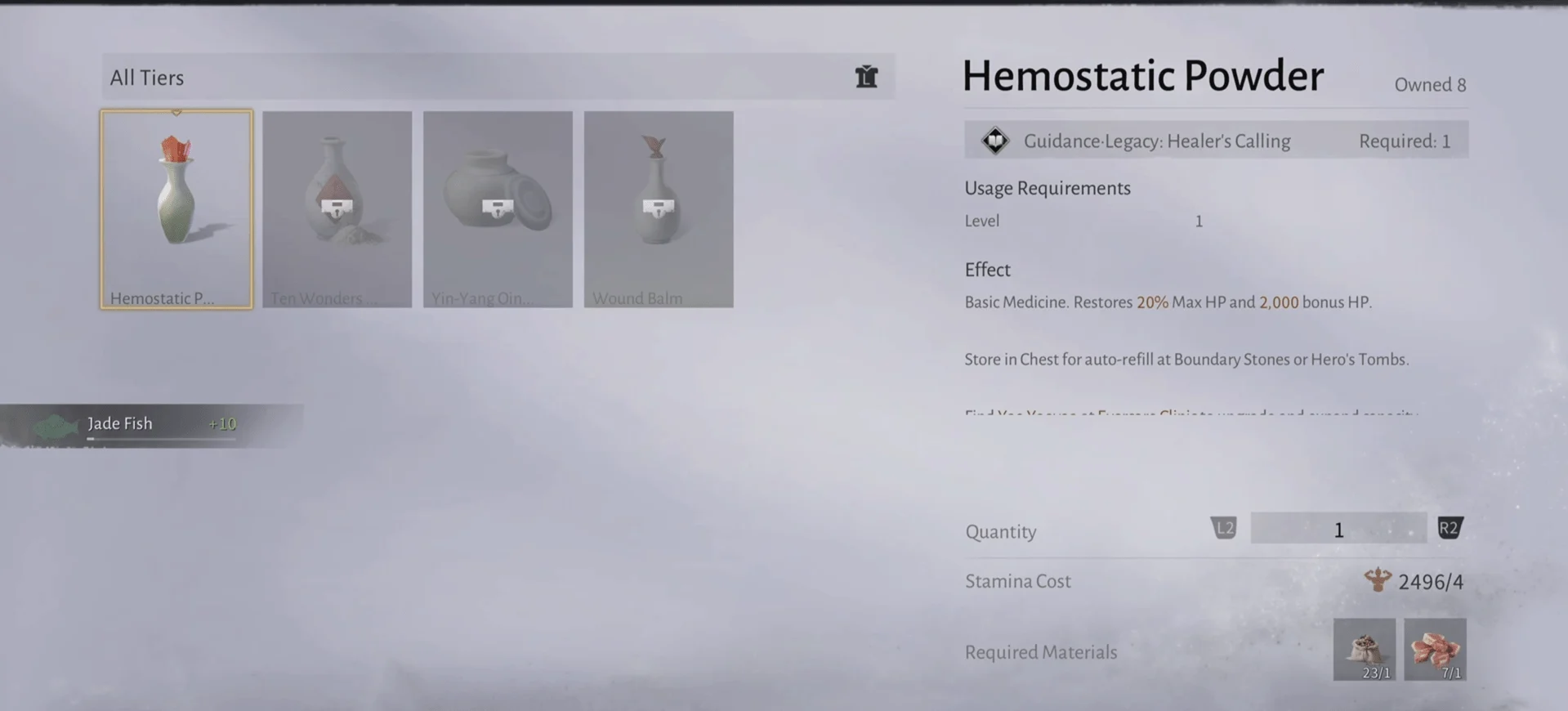
Healing items are your primary survival tools. Every brawler relies on them to stay alive, especially during long fights or exploration.
To use potions, assign them to your quick slot. Alternatively, brawlers can use food like buns, meat, and soups for slower healing. Advanced players can craft their own potions using herbs and materials.
Healing abilities provide additional ways for brawlers to recover HP during combat without relying entirely on items.
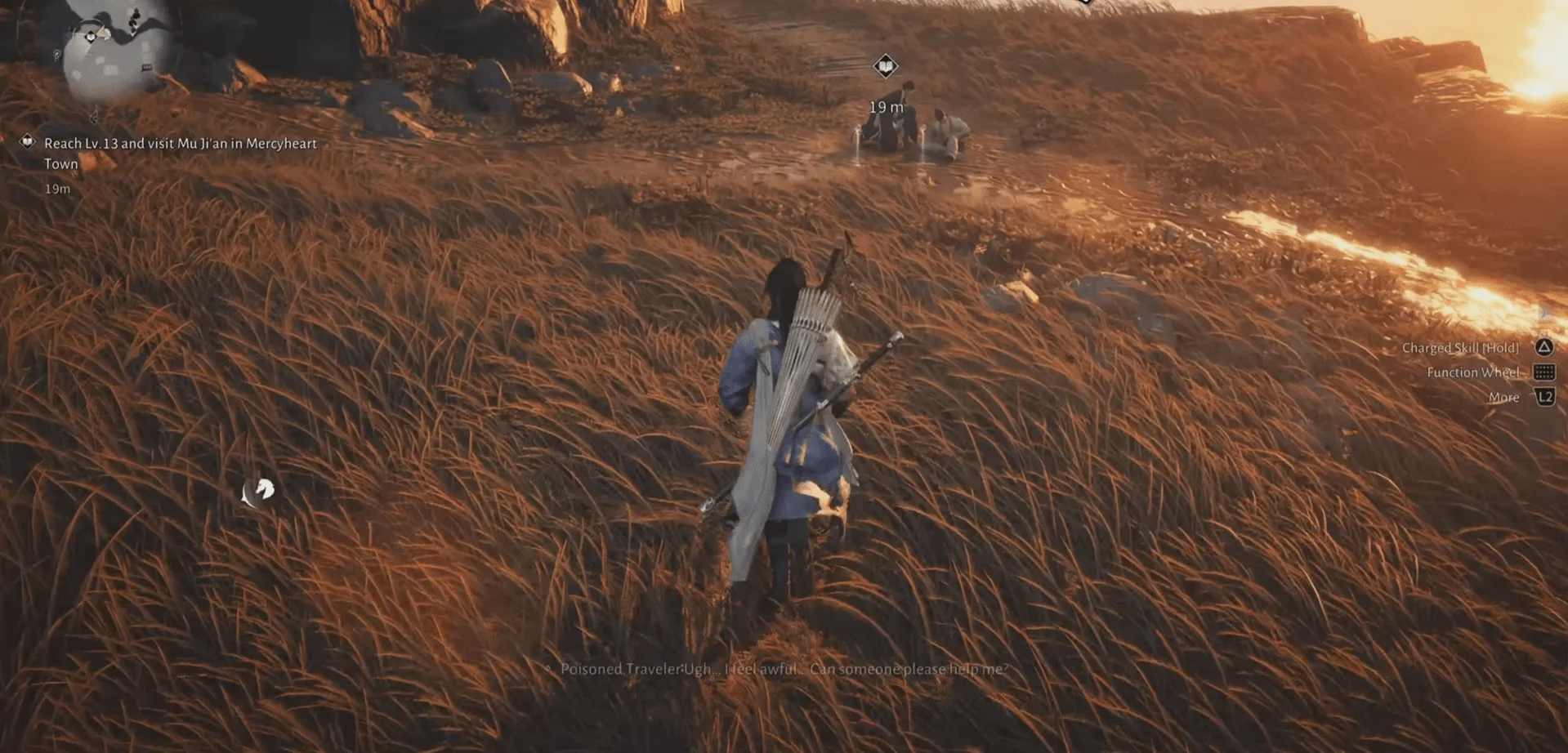
You can unlock the Healer career early, although the game does not guide you directly. Head to northern Qinghe near Mercyheart Village and complete the Healer’s Legacy quest.
There, you meet Mu Ji’an, a wandering doctor attempting to save a patient. He will ask you to gather Nightshade herbs from the surrounding area. After delivering the herbs, you will perform your first healing attempt.
Upon success, you unlock the Healer career, gaining access to prescriptions, the mastery tree, and new opportunities. Brawlers can now heal NPCs more effectively, take on commissions, and expand their toolkit.
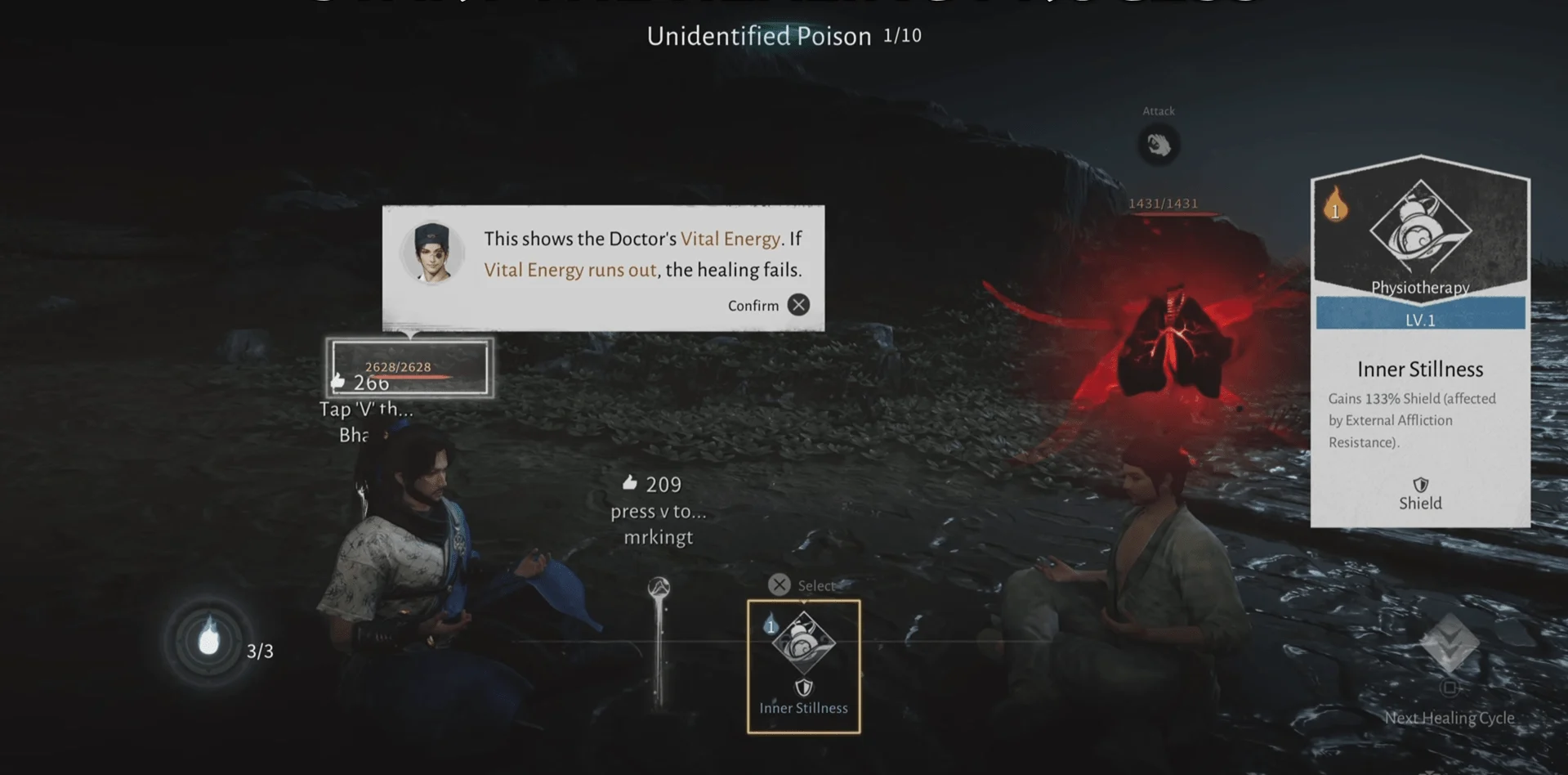
The healing minigame is the backbone of the Healer career. Each treatment acts as a turn-based encounter between you and the disease.
Your objective is to maintain your Vital Energy above zero while reducing the disease’s Severity to zero before time runs out.
Before starting, use Wind Sense to assess the patient. This reveals difficulty and disease progression.
Each treatment occurs over several rounds. You act first, then the disease responds. Observing patterns is crucial, as diseases often follow predictable behaviors.
Prescription cards drive your actions. Each round provides three Hearts, used to play cards. Cheaper cards provide shields and small heals, while stronger ones deal heavy damage or remove effects.
Victory comes from reducing Severity to zero. Failure occurs if your Vital Energy depletes or time expires. Stronger diseases require better timing, upgraded cards, and efficient resource management.
NOTE: Mastering this minigame is essential for brawlers aiming to progress through the Healer career and handle advanced conditions.
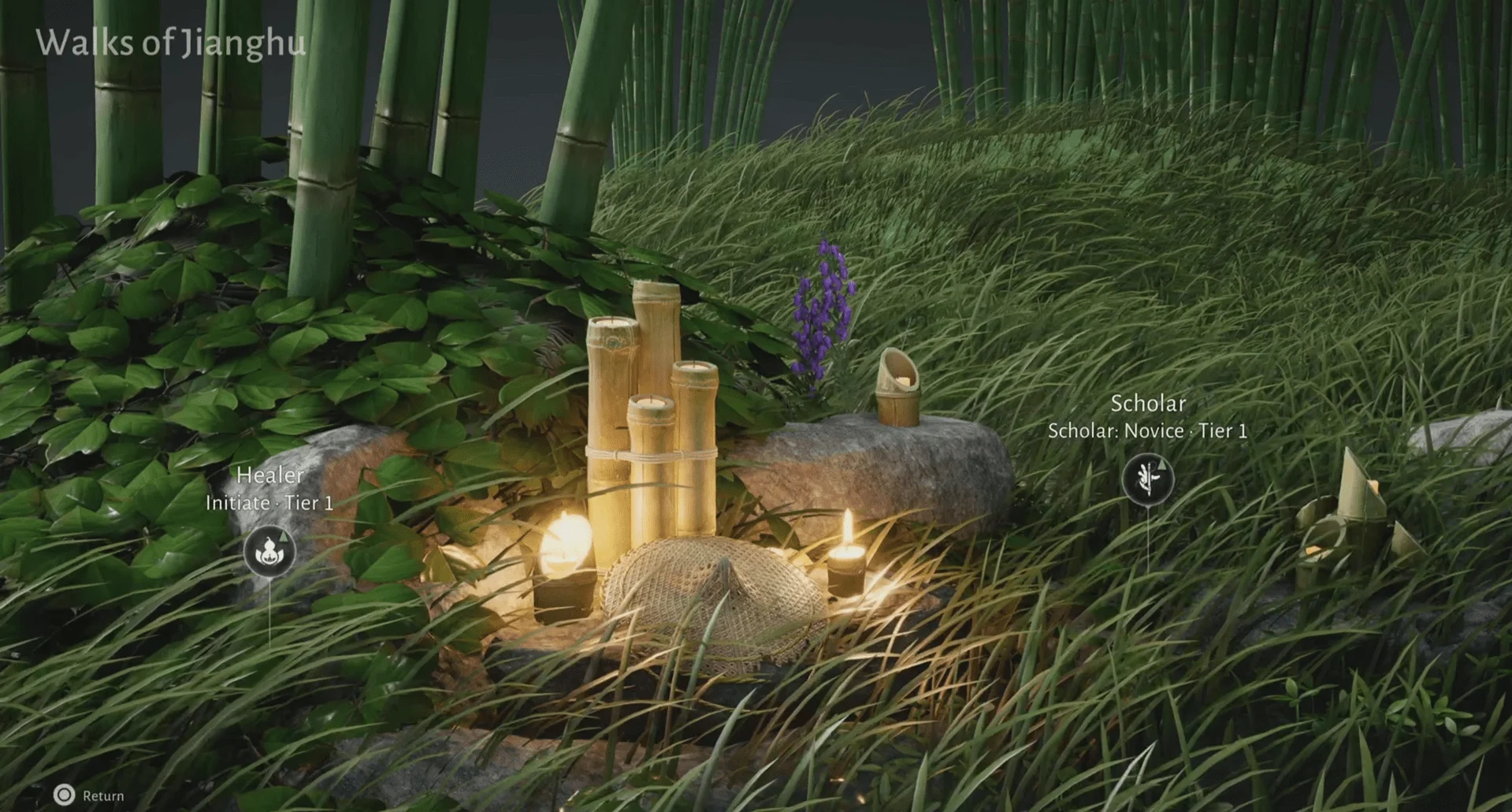
After unlocking the Healer career, improving your effectiveness becomes the next goal. For brawlers, stronger healing means higher survival and better performance in difficult content.
Your Healer Rank determines overall efficiency. Higher ranks increase success rates and strengthen your actions in the minigame.
Upgrading requires Career Notebooks, mostly obtained from the Seasons Shop. Costs increase at higher ranks, making progression more demanding. However, rank upgrades significantly boost all prescriptions.
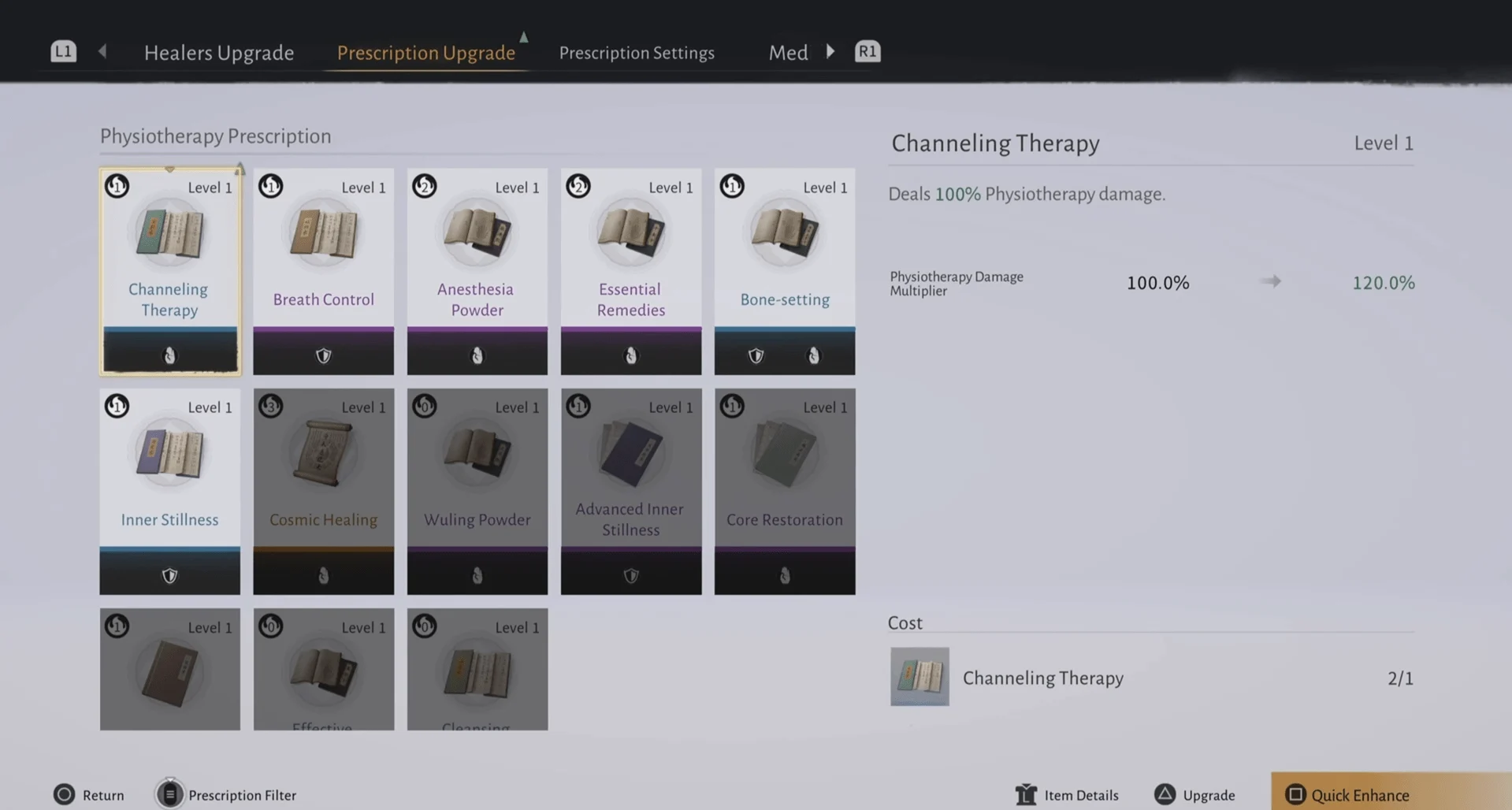
Upgrading prescriptions enhances their effects across your entire deck. For brawlers, this means more reliable healing and stronger outcomes during treatment.
Upgrades require special books found in chests from the Seasons Shop. While RNG plays a role, upgraded prescriptions dramatically improve efficiency, especially against tougher ailments.
Self-healing is a critical survival mechanic. For brawlers, staying alive depends on managing resources, timing actions, and avoiding unnecessary damage.
Understanding these situations allows brawlers to maintain momentum and avoid costly mistakes.
Healing mid-fight is risky but often necessary for survival. Brawlers must use the following methods wisely:
Proper timing prevents interruptions and ensures brawlers avoid getting punished during animations.
Outside of combat, healing becomes safer and more efficient. Brawlers should take advantage of downtime to recover fully.
Using these methods ensures brawlers stay prepared for future fights.
Healing controls vary depending on your platform, but the system remains consistent. Brawlers should familiarize themselves with these inputs:
Mastering controls ensures brawlers can react quickly in critical moments and avoid unnecessary deaths.

Where Winds Meet Accounts
Begin your legend with Where Winds Meet accounts today!
If you’re unsure how healing works in Where Winds Meet, this FAQ gathers the most common questions players have about self-healing, healing items, the Healer career, and the healing minigame.
You restore HP by using consumables like potions or food, activating healing abilities, or interacting with shrines, all of which require proper setup in your quick-use slot.
The most effective method is using fast-acting potions from your quick slot or relying on weapon and skill-based healing that lets you recover without disrupting combat momentum.
Ailments function as debuffs that persist until treated, requiring visits to clinics, use of healer skills, or specific environmental interactions to cleanse them.
You gain access to the Healer profession by finishing the Healer’s Legacy questline located near Mercyheart Village in the Qinghe region.
The Healer role allows you to cure a wide range of targets, including injured NPCs, animals, and other players affected by various conditions and diseases.
There is no automatic HP recovery over time, meaning every bit of healing must come from items, skills, or world interactions.
Consumables must be assigned to your quick-use slot before they can be activated instantly during gameplay, whether you’re in combat or exploring.
To sum up, understanding the healing system in Where Winds Meet offers much more than basic survivability; it allows for smoother exploration, more controlled combat, and a stronger grasp of the game’s core mechanics. Brawlers can depend on fast self-healing to endure challenging fights, or pursue the Healer career to assist others and handle advanced ailments for valuable rewards.