


+15 More

Digital Aura Portal - FZCO
Building A1, Dubai Digital Park, Dubai Silicon Oasis, Dubai, United Arab Emirates Premises Number 72647 - 001
Business registration number: 70647


gamer-choice.com © 2026
Digital Aura Portal - FZCO
Building A1, Dubai Digital Park, Dubai Silicon Oasis, Dubai, United Arab Emirates Premises Number 72647 - 001
Business registration number: 70647
 May 24, 202611 min ReadElsa
In this Forza Horizon 6 Barn Finds guide, I’ll go through all 15 Barn Find cars currently available in the game and show you where every single one can be located on the map. Barn Finds work a bit differently in FH6 compared to previous Horizon games, so I’ll also explain the new mechanics and why they matter if you want to complete your collection efficiently.
Forza Horizon 6 Barn Finds Guide Quick Overview:
Want to expand your garage even faster? Check out our Forza Horizon 6 Account Leveling Service at Gamer Choice and unlock more rare vehicles for your collection.
If you’ve only recently started playing FH6, there’s a good chance you still haven’t realized how much Barn Finds have changed compared to earlier Horizon games. In Forza Horizon 6, Barn Finds are directly connected to the Discover Japan section found inside the Collection Journal. Instead of randomly stumbling into hidden cars while driving around the map, you now unlock Barn Find rumors through progression using Stamps.
So, how exactly do you earn those Stamps? You need to level up the Discover Japan menu, which currently contains seven progression levels. You increase these levels by participating in various exploration-heavy activities spread throughout the open world.
Those activities include:
Every time your Discover Japan progression levels up, you earn additional Stamps. Those Stamps unlock new Barn Find rumors, which then appear on your map. Each Barn Find you successfully discover rewards you with an extra 5000 XP.
Once you recover a Barn Find vehicle, the icon on the map changes to show that the location has already been discovered. Afterward, the barn permanently transforms into a Gift Drop point where players can leave vehicles for others online.
There are currently 15 total Barn Finds available in the game, and they are completely separate from Treasure Cars. I won’t be covering Treasure Cars in this guide.
If you also want to track down all Treasure Cars, check out the FH6 Treasure Car Locations guide from my good friend Rick Flair.
I also put together a small checklist to help you keep track of which Barn Finds you’ve already unlocked and which ones you still need to collect. You can use the table of contents on the right side to jump directly to a specific car and its location.
| 1962 | Lincoln Continental |
| 1969 | Toyota 2000GT |
| 1971 | Nissan Skyline 2000GT-R |
| 1982 | Porsche 911 Turbo 3.3 |
| 1983 | Nissan #11 Tomica Skyline Turbo Super Silhouette |
| 1984 | Peugeot 205 Turbo 16 |
| 1987 | Ford Sierra Cosworth RS500 |
| 1989 | Nissan Pao |
| 1991 | Mazda #55 Mazda 787B |
| 1997 | Lamborghini Diablo SV |
| 1997 | Mitsubishi Montero Evolution |
| 1998 | Nissan #23 Pennzoil NISMO Skyline GT-R |
| 1998 | Nissan R390 GT1 |
| 2005 | Honda NSX-R GT |
| 2005 | Mitsubishi #1 Sierra Sierra Enterprises Lancer Evolution Time Attack |
Now for the fun part. Below are all Barn Find locations, complete with map screenshots and a little bit of trivia for every vehicle. If you’re struggling to spot the actual barn after arriving at the marked search zone, use the ANNA drone feature to fly around the area and locate the building more easily.
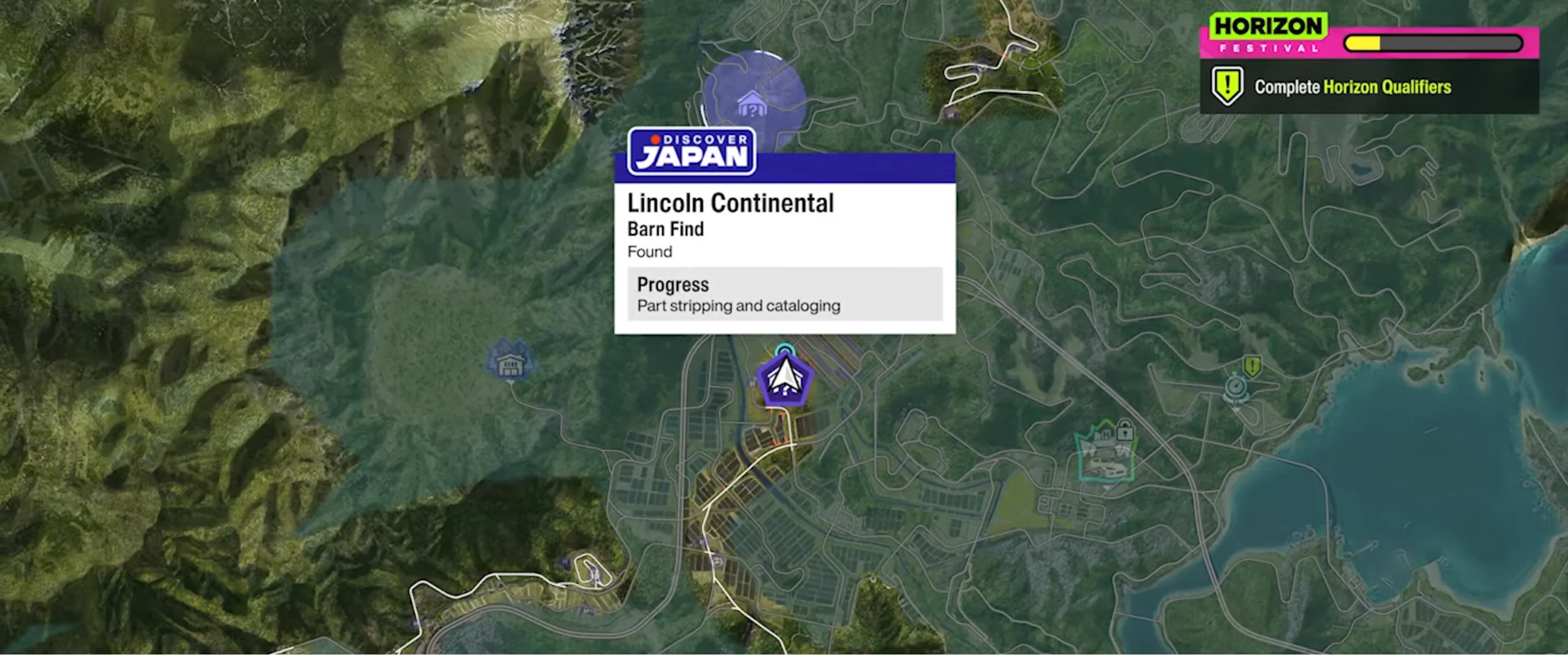
The 1962 Lincoln Continental is one of the most recognizable American luxury cars ever produced. It appeared in countless movies, TV shows, and pop culture moments throughout the decades. Most people instantly recognize it because of its rear-hinged back doors, commonly referred to as suicide doors.
That design alone made the Continental stand apart from nearly every other luxury sedan of the early 1960s. The car carried a long and elegant body shape, premium interior materials, and an overall sense of prestige that made it incredibly popular among collectors, lowrider enthusiasts, and custom car builders.
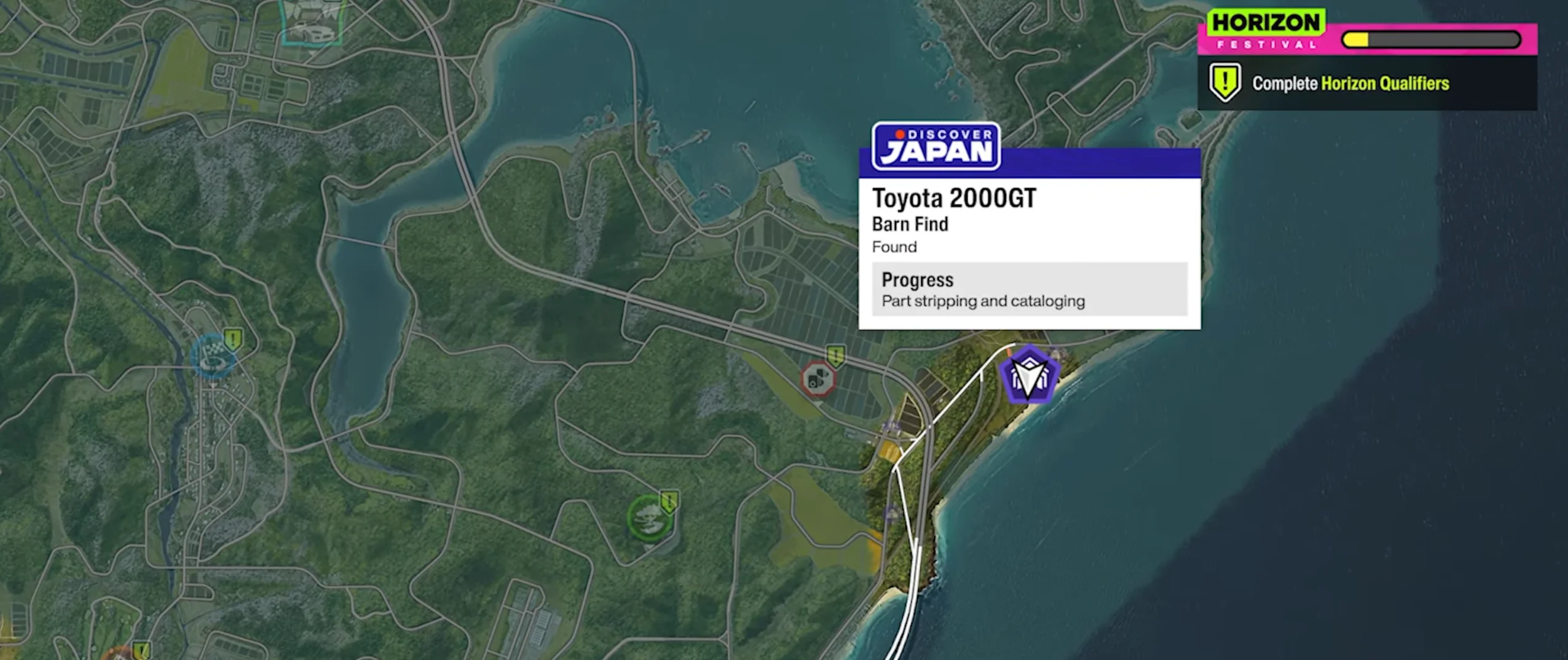
The Toyota 2000GT is widely considered Japan’s first true supercar. It showed the automotive world that Japanese manufacturers were capable of building stylish grand tourers with real performance credentials.
Yamaha played a major role in helping develop the car, which is another reason the 2000GT became so historically important. Production numbers were extremely limited as well. Only around 337 units were ever made, which transformed the 2000GT into one of the rarest and most valuable Japanese classics in existence today.
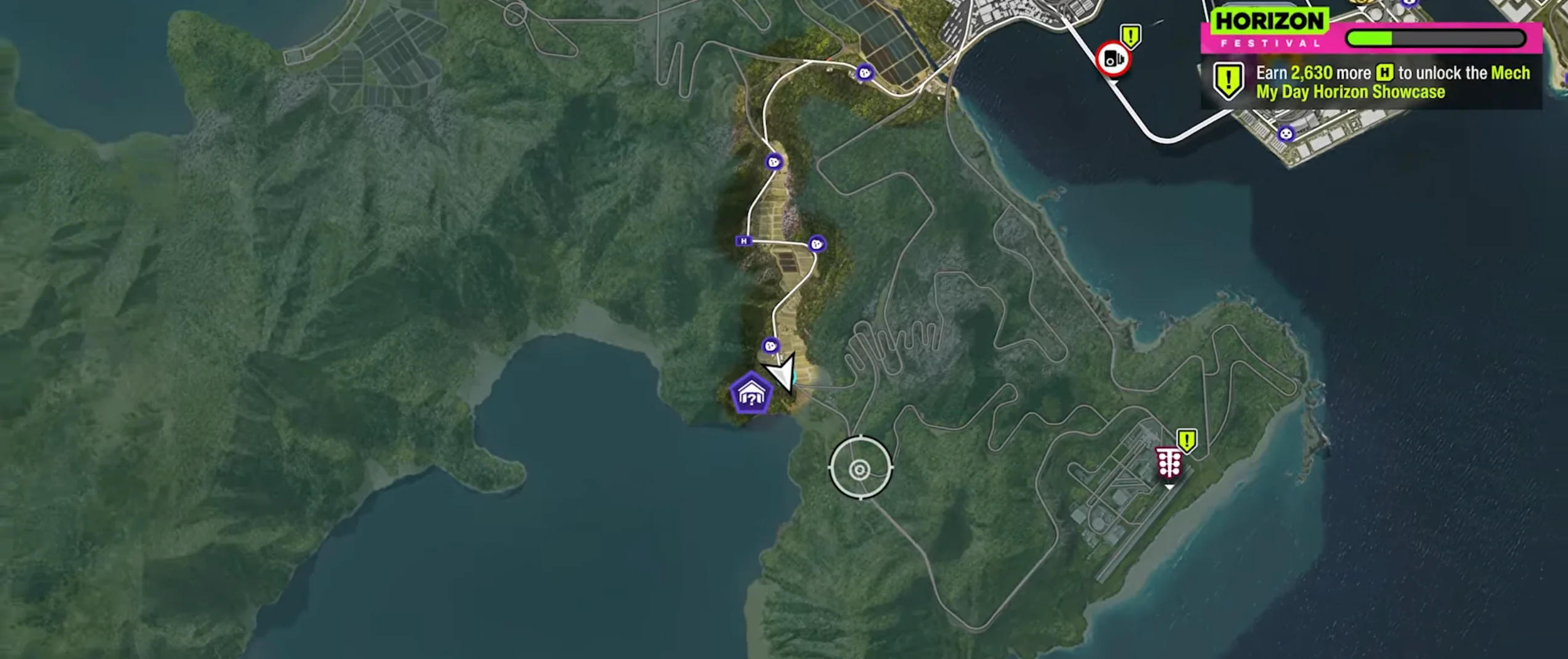
The 1971 Nissan Skyline 2000GT-R, better known by enthusiasts as the Hakosuka GT-R, laid the foundation for the legendary GT-R name long before it became globally famous.
The car built its reputation primarily through motorsport dominance. During its era, the Hakosuka GT-R crushed the competition in Japanese touring car racing and quickly established itself as one of Nissan’s most iconic performance vehicles.
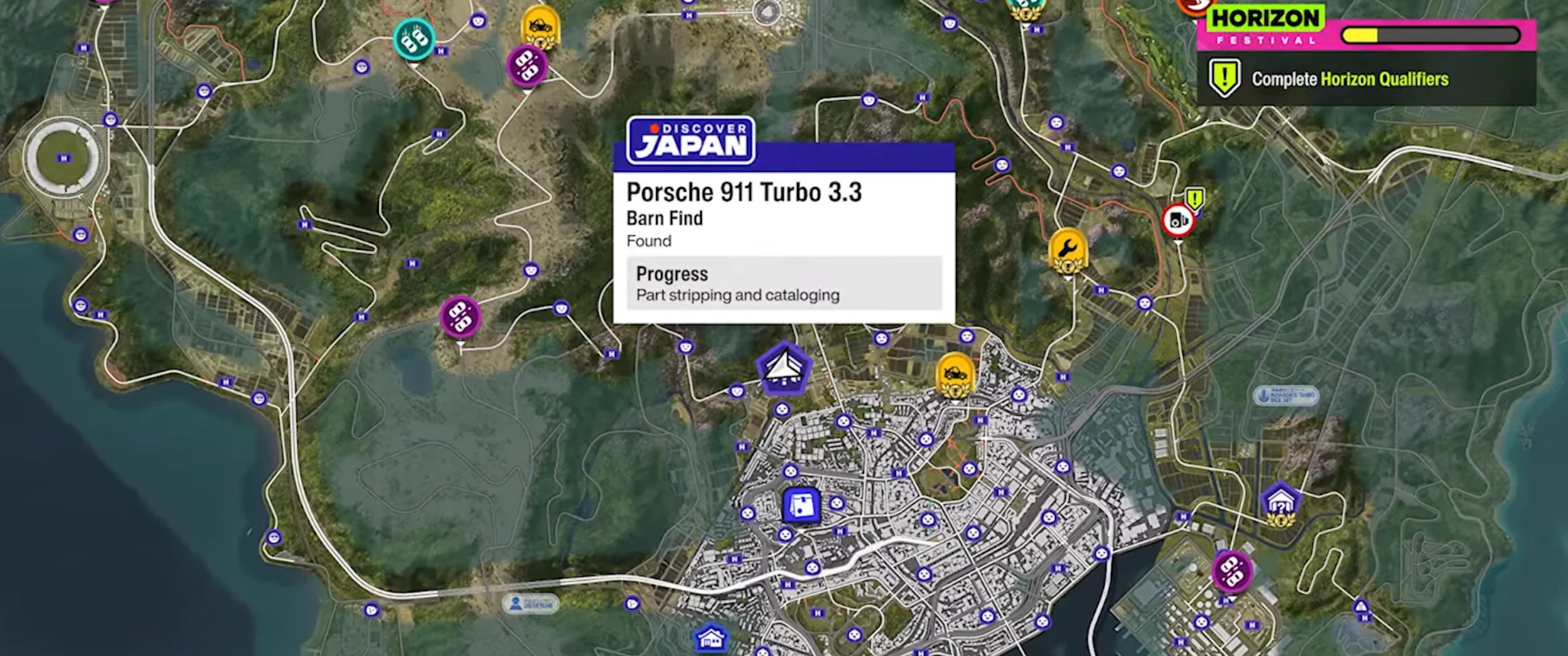
The 1982 Porsche 911 Turbo 3.3 belongs to the legendary 930 Turbo generation, which remains one of the most beloved Porsche eras among enthusiasts.
The car became famous for its aggressive widebody design, giant rear spoiler, and turbocharged flat-six engine. However, it also earned a reputation for being extremely difficult to control. The rear-engine layout combined with heavy turbo lag gave the 930 Turbo a wild and unpredictable personality that enthusiasts still admire today.
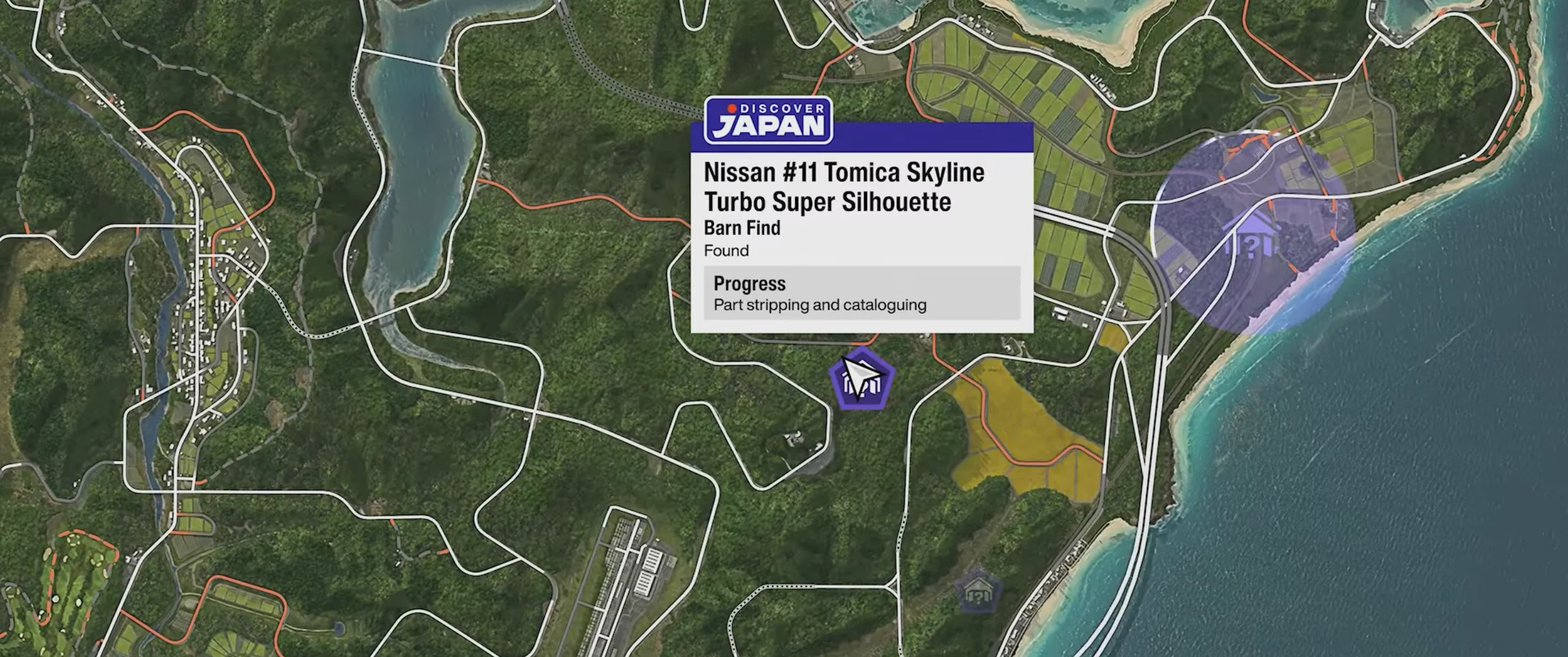
The Tomica Skyline Turbo Super Silhouette is easily one of the craziest Skyline race cars ever built. Its oversized body kit, enormous rear wing, and exaggerated boxy proportions make it instantly recognizable.
The car came from Japan’s famous Super Silhouette racing era, where race cars only needed to loosely resemble production vehicles. That freedom allowed engineers to create insanely powerful machines with outrageous aerodynamics and highly experimental designs.
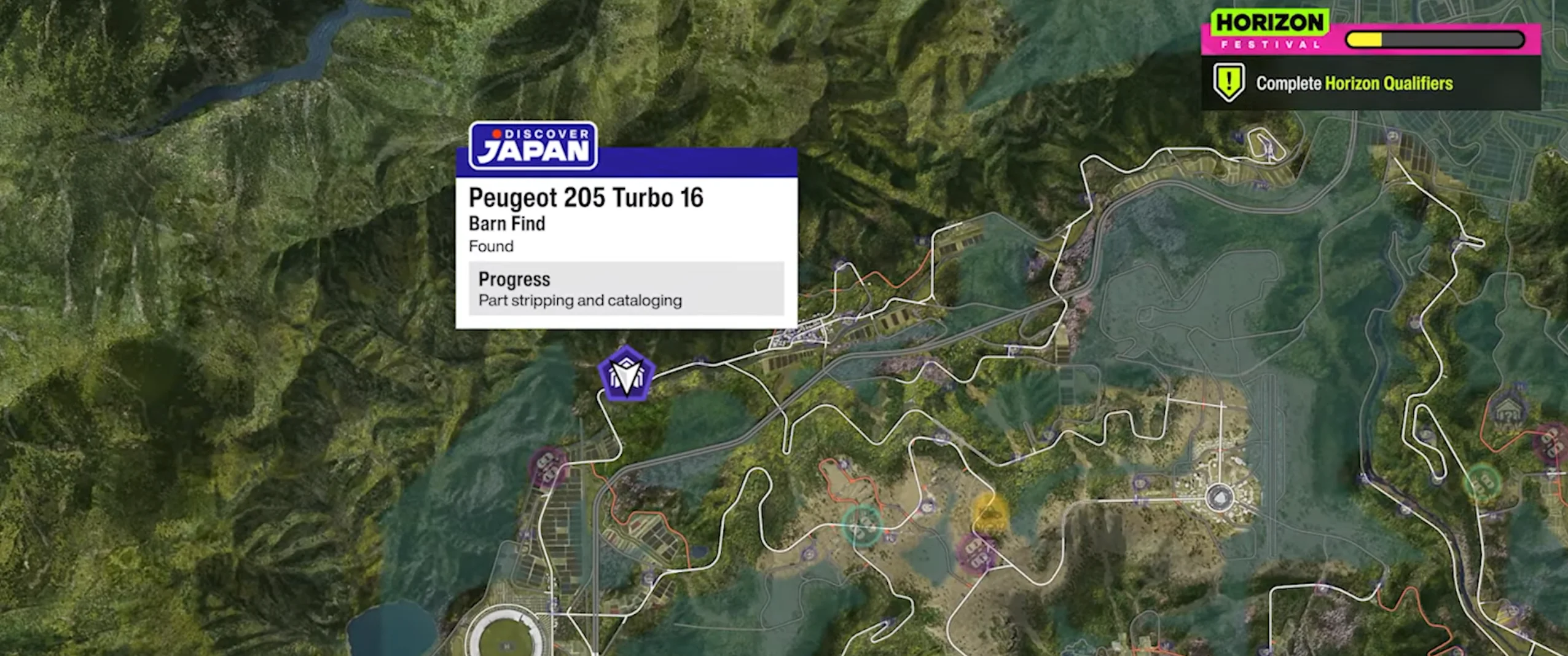
The Peugeot 205 Turbo 16 was developed specifically for Group B rally competition, one of the most dangerous and legendary periods in rally history.
Even though it shared its name with the standard Peugeot 205, underneath the bodywork it was an entirely different machine. The car used AWD together with a mid-engine layout, turning it into a brutal rally weapon capable of dominating rough terrain.
Peugeot also had to build road-going homologation versions to satisfy racing regulations, which is why the 205 T16 eventually became such a rare and valuable collector car.
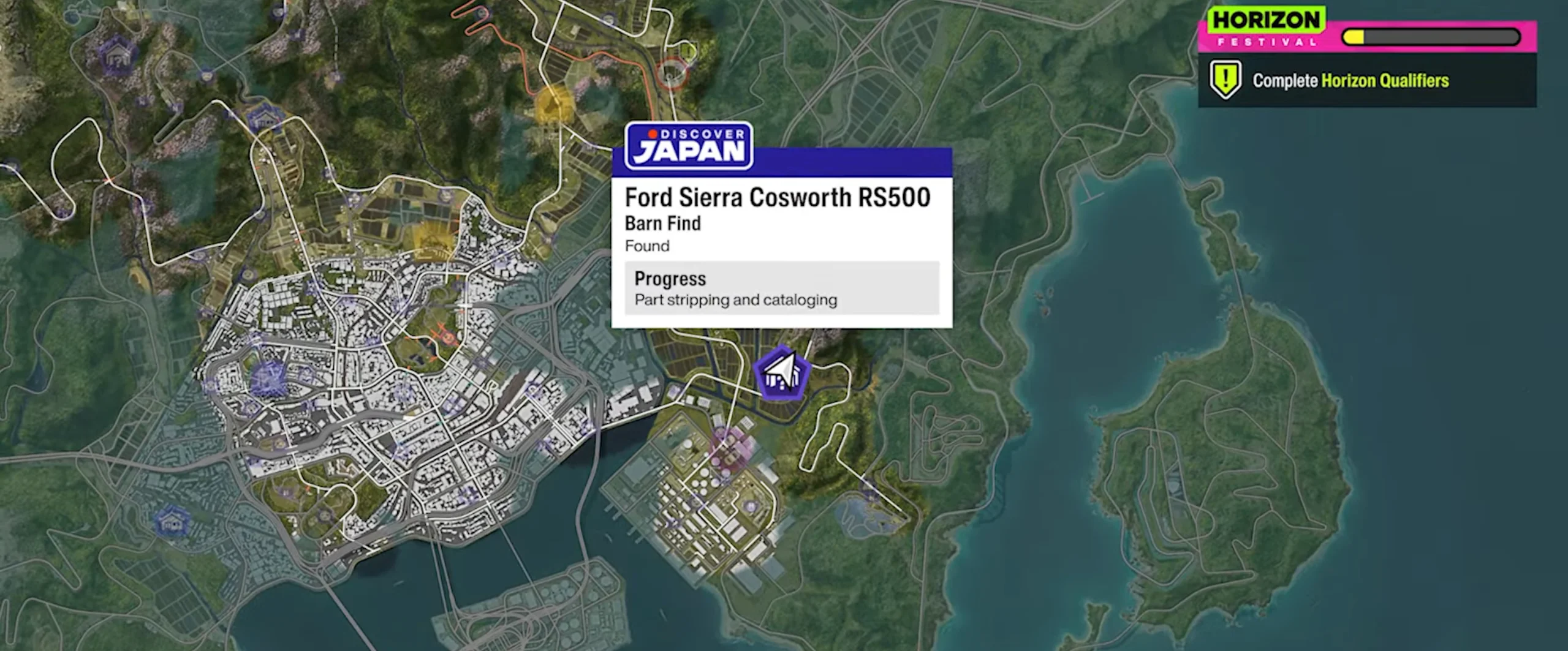
The Ford Sierra Cosworth RS500 was created as an evolution of the already successful Sierra RS Cosworth, mainly to improve its competitiveness in touring car racing.
Only 500 homologation models were ever produced. On the racetrack, the RS500 quickly developed a terrifying reputation thanks to its raw speed and dominance. During the late 1980s, it became one of the most feared touring cars in motorsport history.
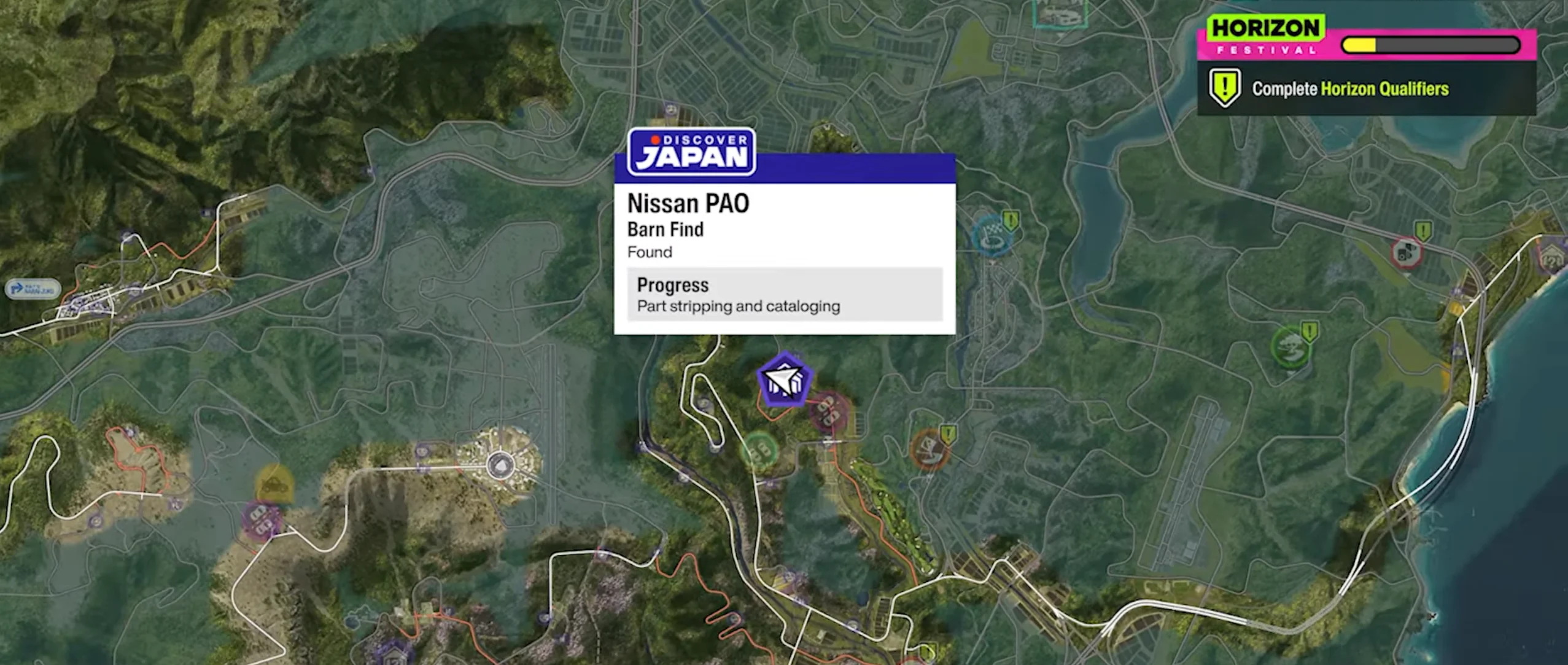
The Nissan Pao is easily one of the most charming and unusual vehicles included in the FH6 Barn Find lineup. It was part of Nissan’s Pike Factory series, a collection of retro-inspired vehicles focused heavily on quirky design.
The Pao combined compact city car practicality with old-school styling cues. Its circular headlights, exposed door hinges, and minimalist shape gave it the appearance of a tiny vintage car from another generation.
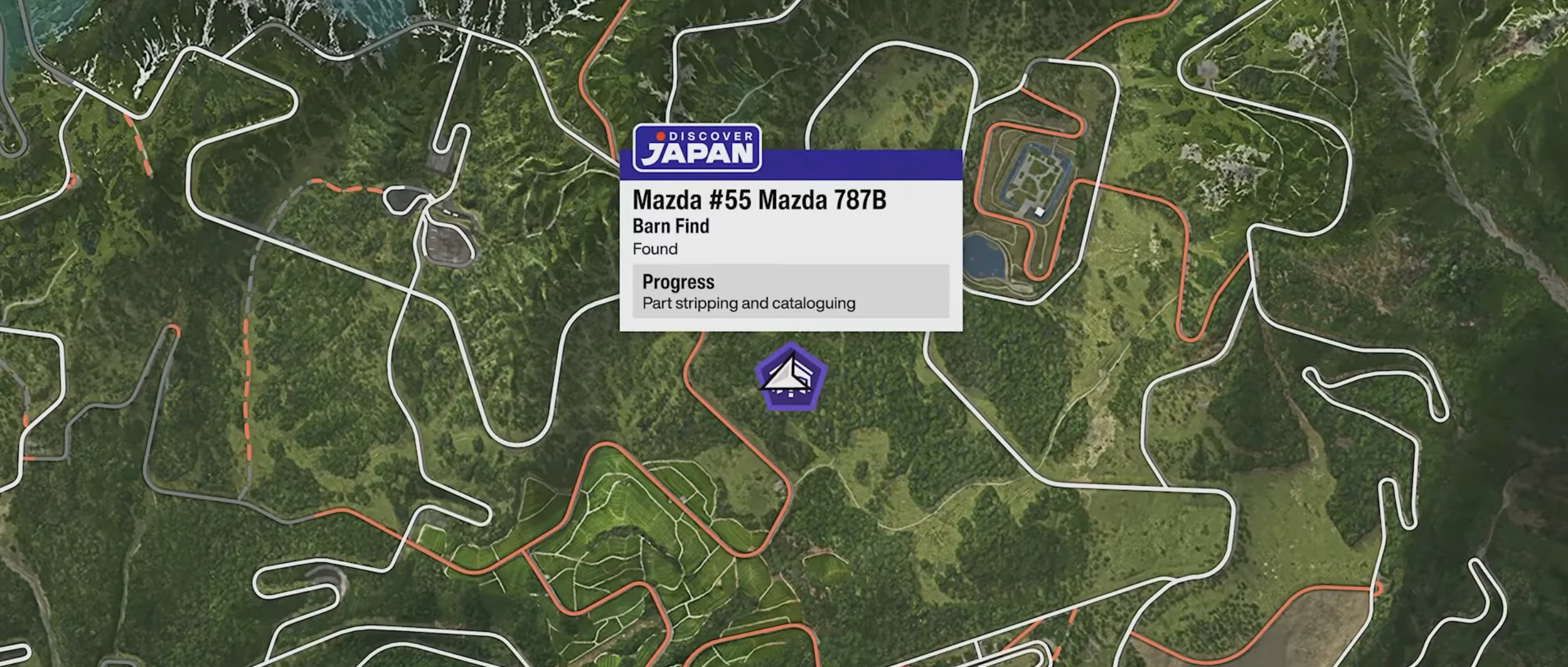
The Mazda 787B is one of the greatest Japanese race cars ever built. In 1991, it won the 24 Hours of Le Mans and became the first Japanese manufacturer to achieve victory at the legendary endurance race.
A huge part of the 787B’s fame comes from its rotary engine. The unique four-rotor sound became iconic among racing fans, and even today the car remains one of Mazda’s biggest motorsport achievements.
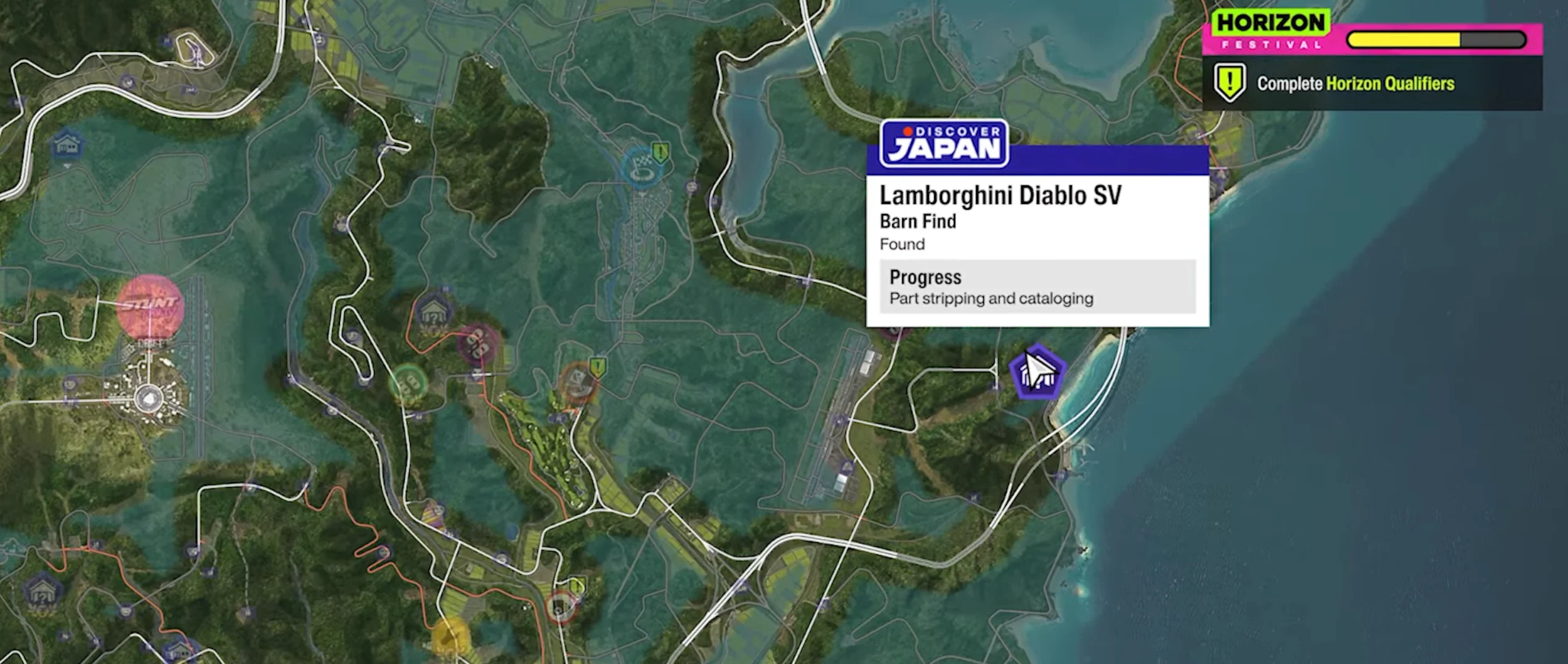
The Lamborghini Diablo SV revived the famous Super Veloce badge during the 1990s. Compared to other Diablo models, the SV focused far more on aggressive styling and raw driving performance.
Unlike the AWD-equipped Diablo VT, the SV remained rear-wheel drive. That made it lighter, more demanding to control, and significantly more old school in the way it delivered power.
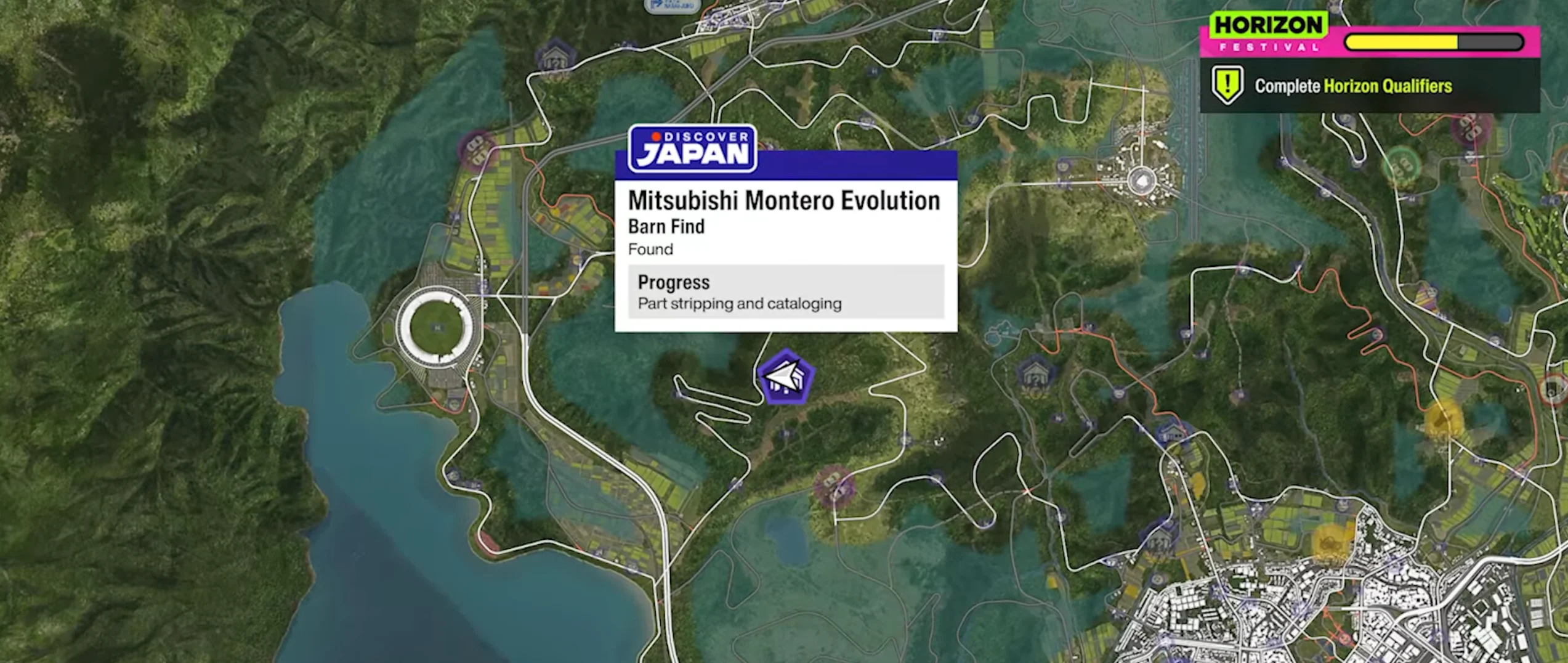
The Mitsubishi Montero Evolution, known as the Pajero Evolution in several regions, was built specifically for Dakar Rally homologation.
Even though it resembles a standard SUV at first glance, it was engineered with serious motorsport intentions. The vehicle featured a much wider body, rally-focused suspension upgrades, and significant performance improvements over regular off-road models.
Mitsubishi’s massive success in Dakar Rally competition helped turn the Montero Evolution into a cult classic among off-road enthusiasts.
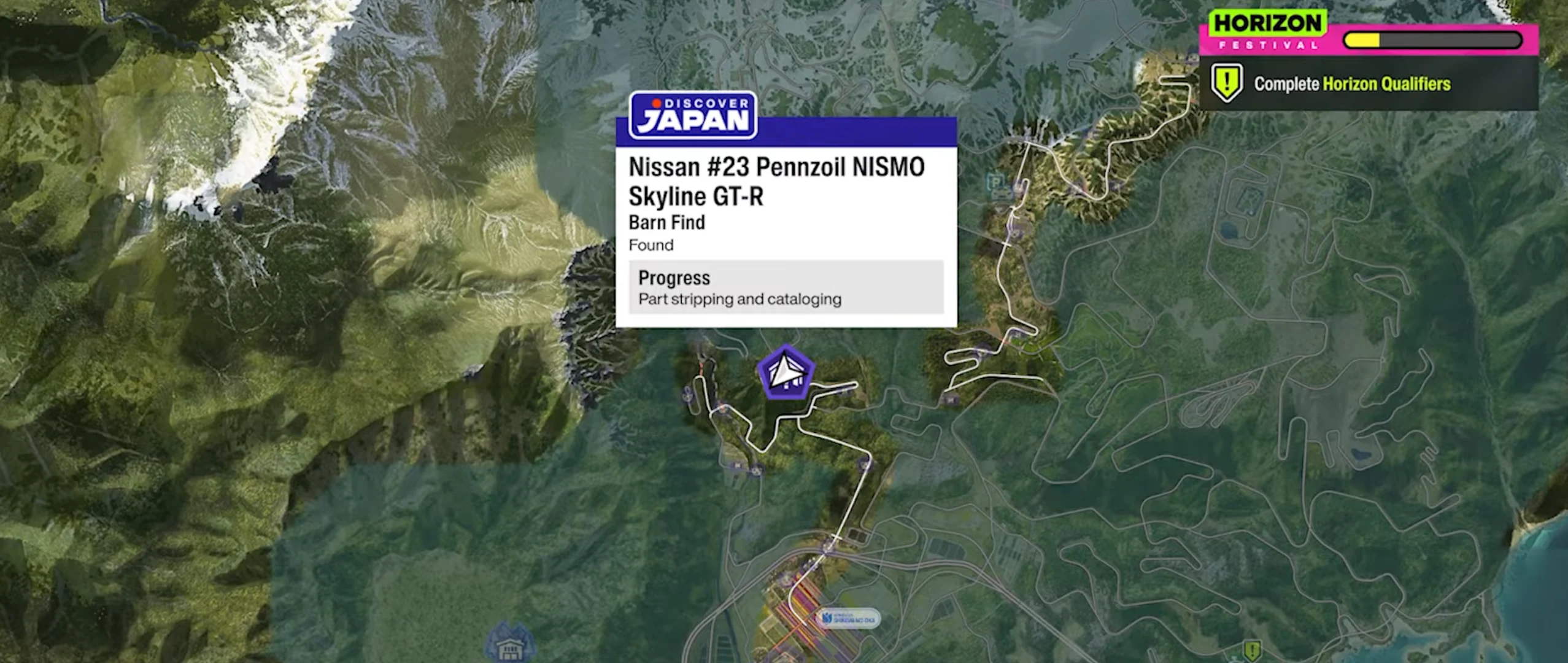
The Pennzoil NISMO Skyline GT-R became one of the most recognizable Japanese race cars of the late 1990s thanks to its bright yellow racing livery.
The car competed in the All Japan Grand Touring Championship, now known as Super GT. It played an important role in further cementing the Skyline GT-R’s reputation as one of the most dominant track-focused Japanese cars ever built.
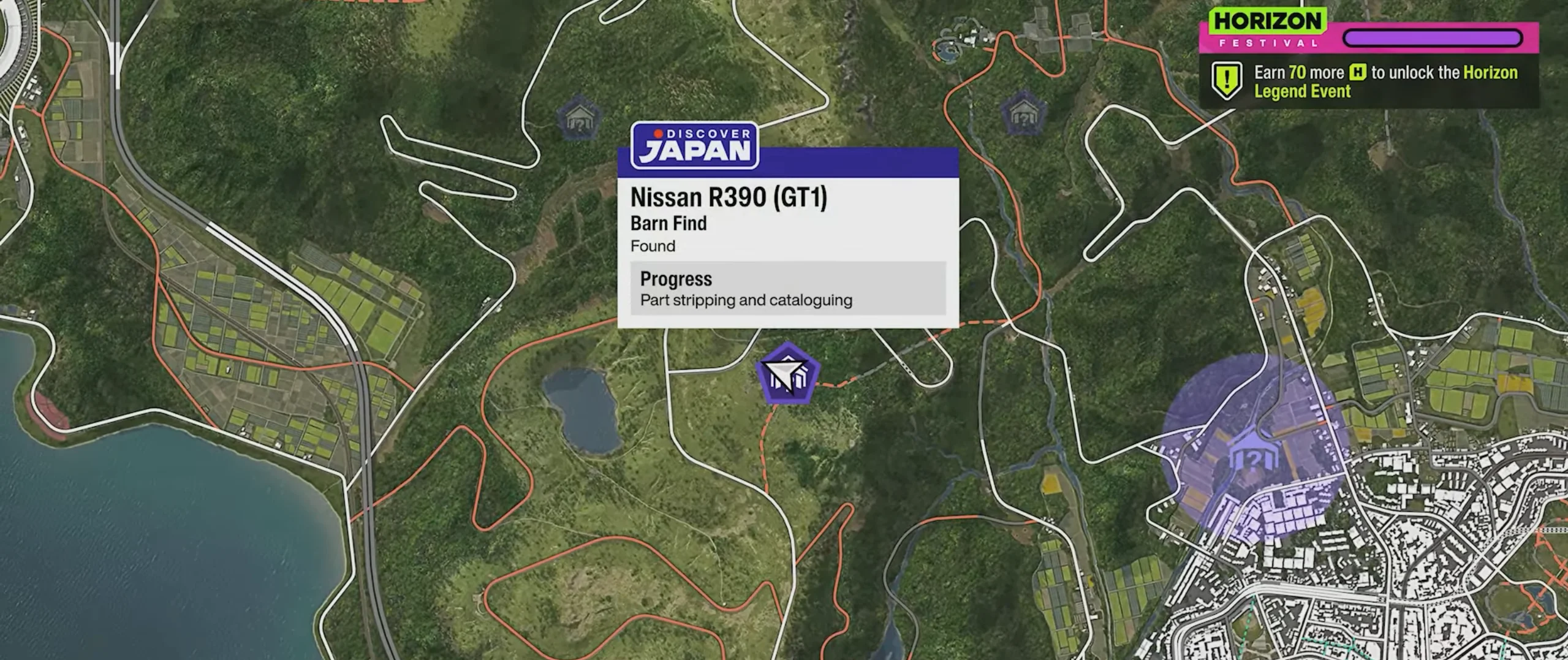
The Nissan R390 GT1 was created specifically for endurance racing at the 24 Hours of Le Mans during the late 1990s.
Nissan only produced a road-going version because homologation rules required a street-legal model. As a result, only a single known production-spec R390 GT1 exists today, making it one of the rarest Nissan vehicles ever created.
Its entire design philosophy revolved around endurance racing rather than normal road car comfort or usability.
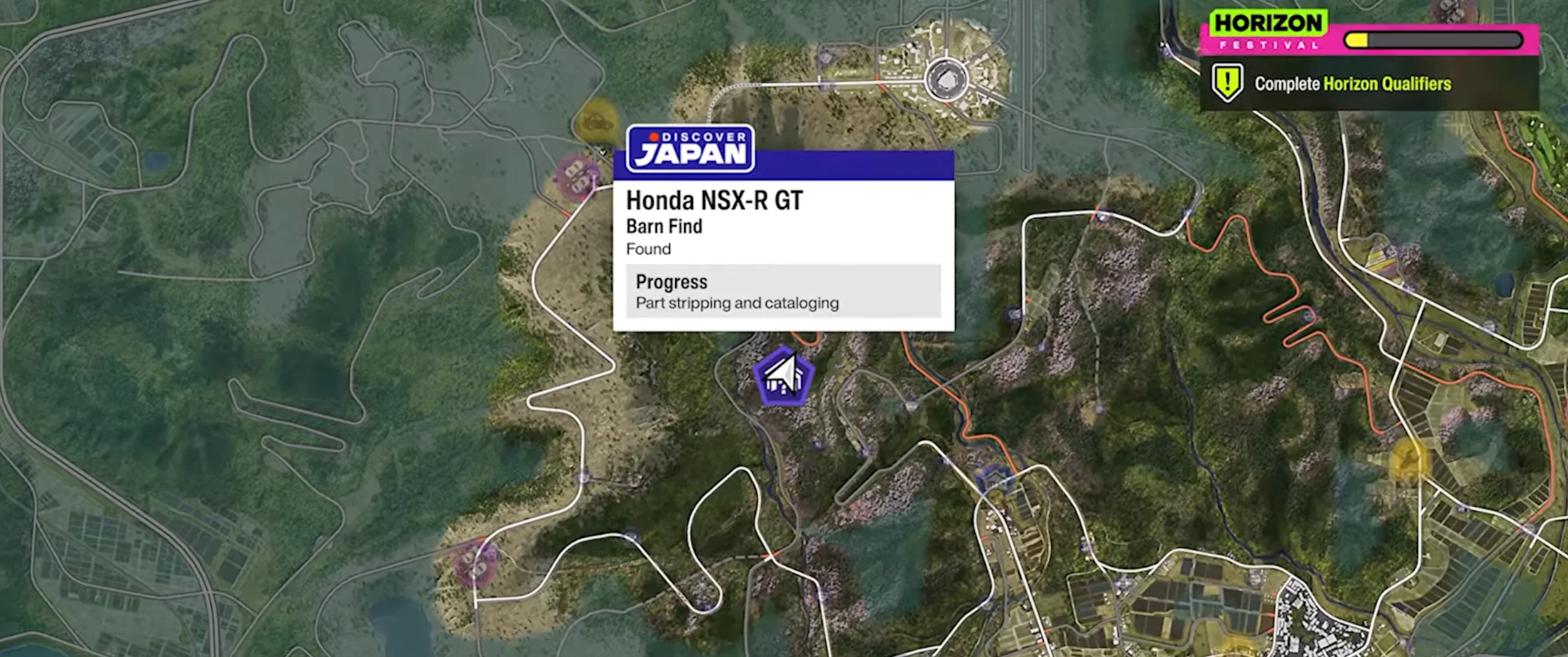
The Honda NSX-R GT is among the rarest variants of the legendary NSX platform. Honda developed it for Super GT homologation purposes, and reportedly only five road cars were ever produced.
The car became especially famous because of its unusual roof snorkel design. While it looks like a fully functional race intake, it mostly existed to visually connect the road car with Honda’s Super GT racing machines.
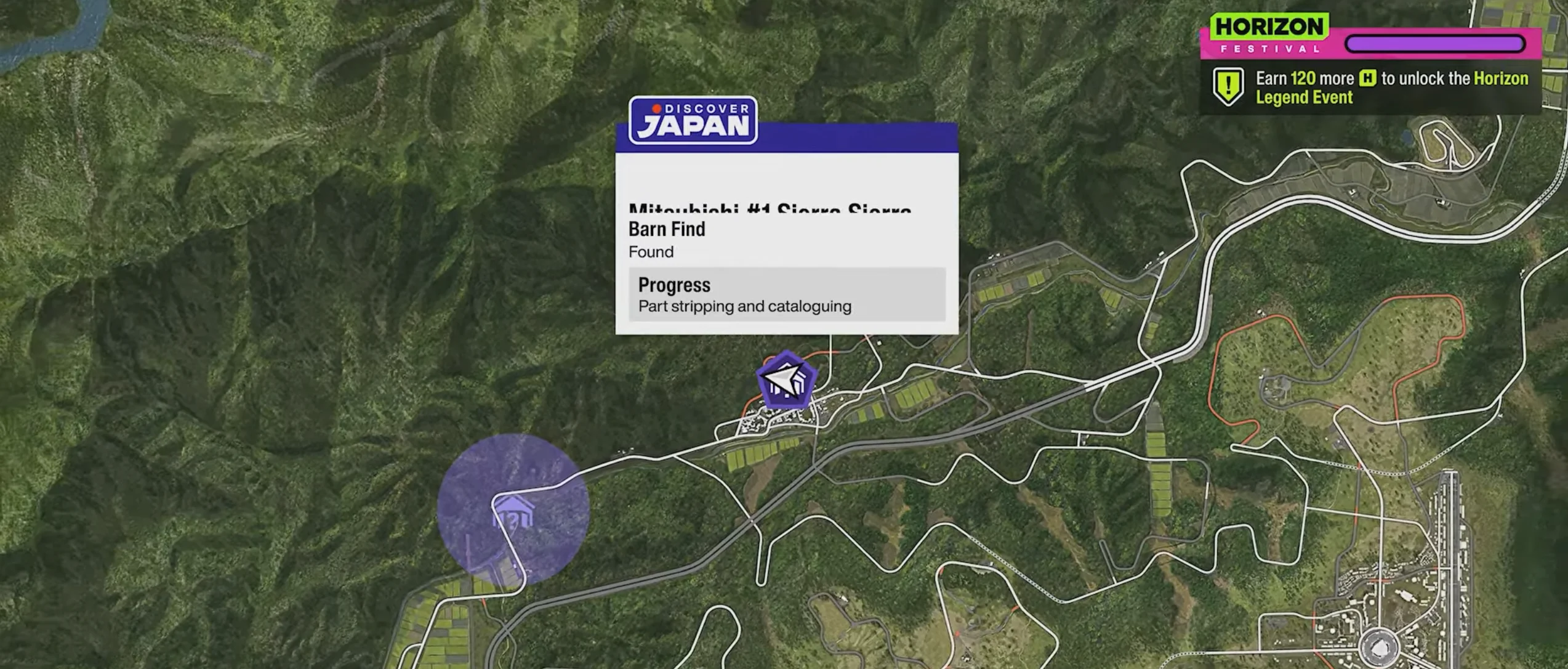
The Sierra Sierra Enterprises Lancer Evolution became a true icon within the time attack scene. Unlike traditional circuit or rally race cars, it was built with one goal in mind: setting the absolute fastest lap times possible.
The vehicle became famous for its extreme aerodynamic package, highly tuned engine, and aggressive appearance. It represents a completely different side of performance car culture compared to traditional rally or touring car racing.
Read our other Forza Horizon 6 Guides:
There are currently 15 Barn Finds available in Forza Horizon 6. Every Barn Find rewards you with a unique hidden vehicle that eventually gets restored and permanently added to your collection.
Barn Finds are unlocked through the Discover Japan tab inside the Collection Journal. Players need to earn Stamps by participating in exploration activities, collecting cars, completing challenges, and upgrading vehicles at the Festival. Players who own the Treasure Map DLC will also see Barn Find locations automatically marked on the map.
The vehicles themselves are not random because every player can unlock the same 15 Barn Find cars. However, the order in which Barn Find rumors appear may differ slightly depending on progression and activities completed.
The Nissan R390 GT1 is considered one of the rarest Barn Find vehicles in FH6. Nissan originally created it as a homologation model connected to its Le Mans endurance racing program, which makes it one of the most unique cars available through Barn Finds.
The Mazda 787B is widely viewed as one of the strongest Barn Find cars thanks to its legendary motorsport history, incredible sound, and high-performance capabilities. The Nissan R390 GT1 and Honda NSX-R GT are also among the most desirable options in the entire lineup.
Barn Finds are scattered throughout multiple regions across the Japan map. Every rumor reveals a highlighted search zone, while the actual barn is usually hidden along dirt roads, narrow side paths, forests, or secluded driveways.
No, you must first discover the Barn Find location before the vehicle can be unlocked. After obtaining the rumor through Stamps, the car still needs to go through a restoration process before it becomes fully usable in your garage.
These are all 15 Barn Find vehicles currently available in FH6: